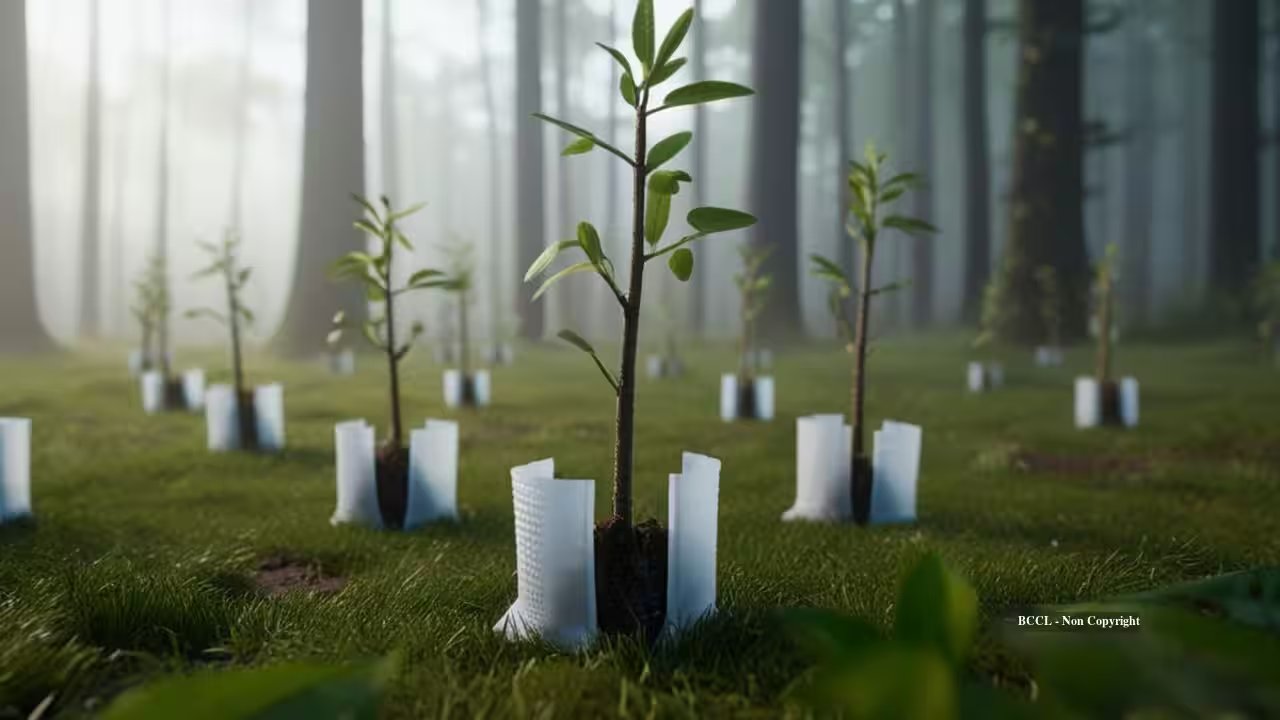
A 3,873‑acre patch of the Upper Provo Watershed was cleared of invasive juniper and trimmed of dense conifers in a joint effort by the National Wild Turkey Federation, the USDA Forest Service and Utah’s Watershed Restoration Initiative. The work, completed in early 2024, aimed to break up continuous fuels, open up space for native grasses and reduce fire risk along the Mirror Lake Highway.
Juniper removal was carried out with a mastication machine that chops woody biomass into small pieces, returning debris to the soil and creating openings for other species. Conifer thinning and hazard tree removal were also carried out to diversify the stand structure, while aspen enhancement staked out growing points to encourage regeneration in a landscape dominated by conifers. Wetland restoration crews repaired a 12‑acre wetland that had been degraded by encroaching vegetation, providing a natural fire break and a refuge for water‑dependent wildlife.
In August 2024, the Yellow Lake Fire erupted and leapt across the upper watershed, burning more than 33,000 acres before firefighters could establish a line. When the fire reached Iron Mine Mountain, the area that had been treated earlier, officials noted that the blaze behaved differently—moving slower and with lower intensity—thanks to the pre‑existing fuel breaks.
But the fire’s containment was accelerated, preventing the blaze from reaching the water‑rich wetlands that serve as a critical habitat for migratory birds. Forest Service officials said that the slowed fire gave crews a crucial window to deploy resources and protect the remaining 700‑acre patch of native forest.
The project demonstrates that targeted, landscape‑scale restoration can alter fire dynamics under extreme conditions, a finding that will shape the state’s future wildfire mitigation strategy.