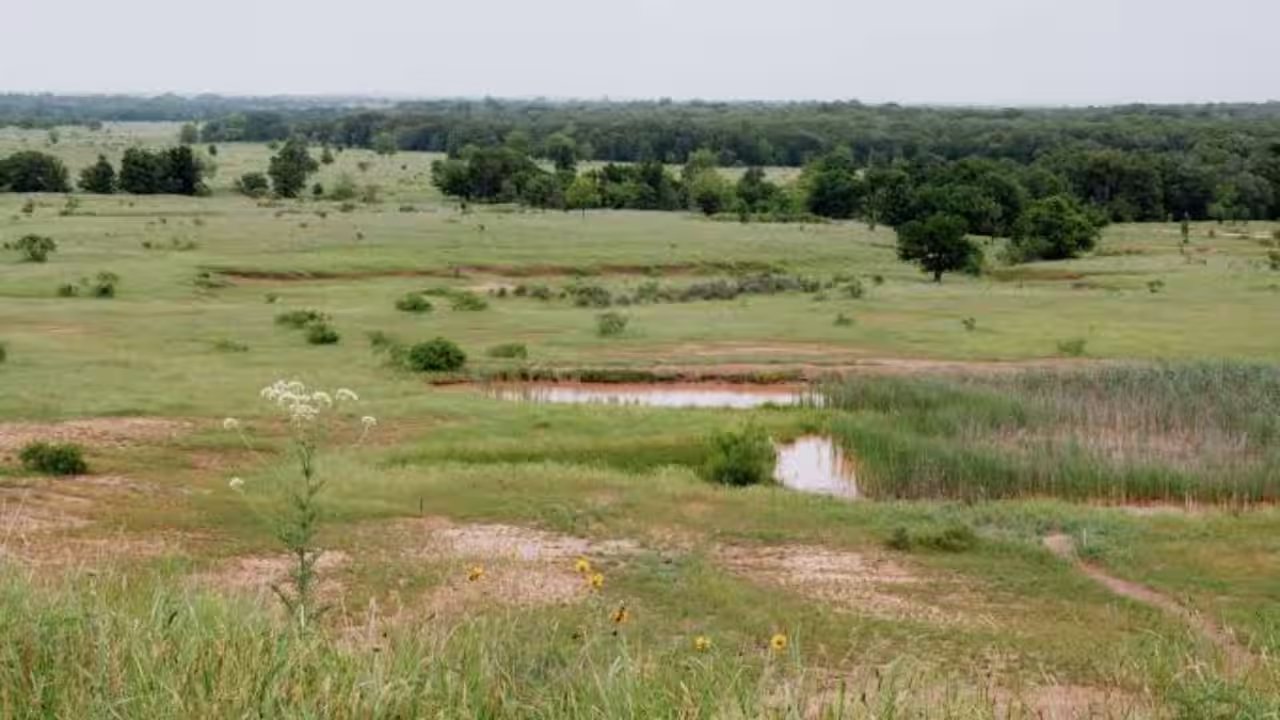
Travis County District Judge Maya Guerra Gamble struck down the Texas Commission on Environmental Quality’s permit for the Lake Ringgold reservoir on October 9, 2026. The ruling invalidates the state agency’s June 27, 2024 decision to approve the project, which the city of Wichita Falls proposed to secure water supplies for North Texas. Gamble’s decision comes after a contested-case hearing in Austin, where opponents challenged the necessity and scale of the reservoir.
The project, valued at $443 million, would have required the damming of the Little Wichita River in Clay County, approximately 30 miles east of Wichita Falls. It aimed to provide 65,000 acre-feet of water annually but would have flooded more than 16,000 acres of agricultural land and wildlife habitat. The city owned only 6,662 of the required 24,000 acres, meaning it would have needed to acquire the remainder through purchase or eminent domain. This threat forced over 25 ranching families to confront the potential loss of properties held for generations. Russell Schreiber, the city’s public works director, previously described the 2010–2015 drought as “very devastating,” noting that Wichita Falls’ two main reservoirs, Lake Arrowhead and Lake Kickapoo, dropped to 20% capacity. During that period, the city used direct potable reuse to reduce demand by 75%, a measure that highlighted the region’s vulnerability to future shortages.
The dispute traces back to 1958, when voters in the water district serving Wichita Falls rejected a similar reservoir plan estimated at $15 million. The idea resurfaced after the severe drought of 2010–2015, which nearly drained the region’s existing water sources. Conservation groups, including the Texas Conservation Alliance, and the Texas & Southwestern Cattle Raisers Association argued that the environmental and agricultural costs outweighed the benefits. An administrative judge had initially recommended denying the permit, citing concerns that the project’s scale was not justified by the city’s projected water needs. Despite this, the Texas Commission on Environmental Quality approved the permit in 2024, a decision that now faces judicial reversal.
The ruling is a significant victory for landowners and conservationists who argued that the reservoir would permanently alter the landscape and displace long-standing ranching operations. For families in Clay County, the land is not just an asset but a home, where livestock are raised and children grow up. The city of Wichita Falls has stated it may appeal the decision, setting the stage for further legal battles over the future of North Texas’ water infrastructure.