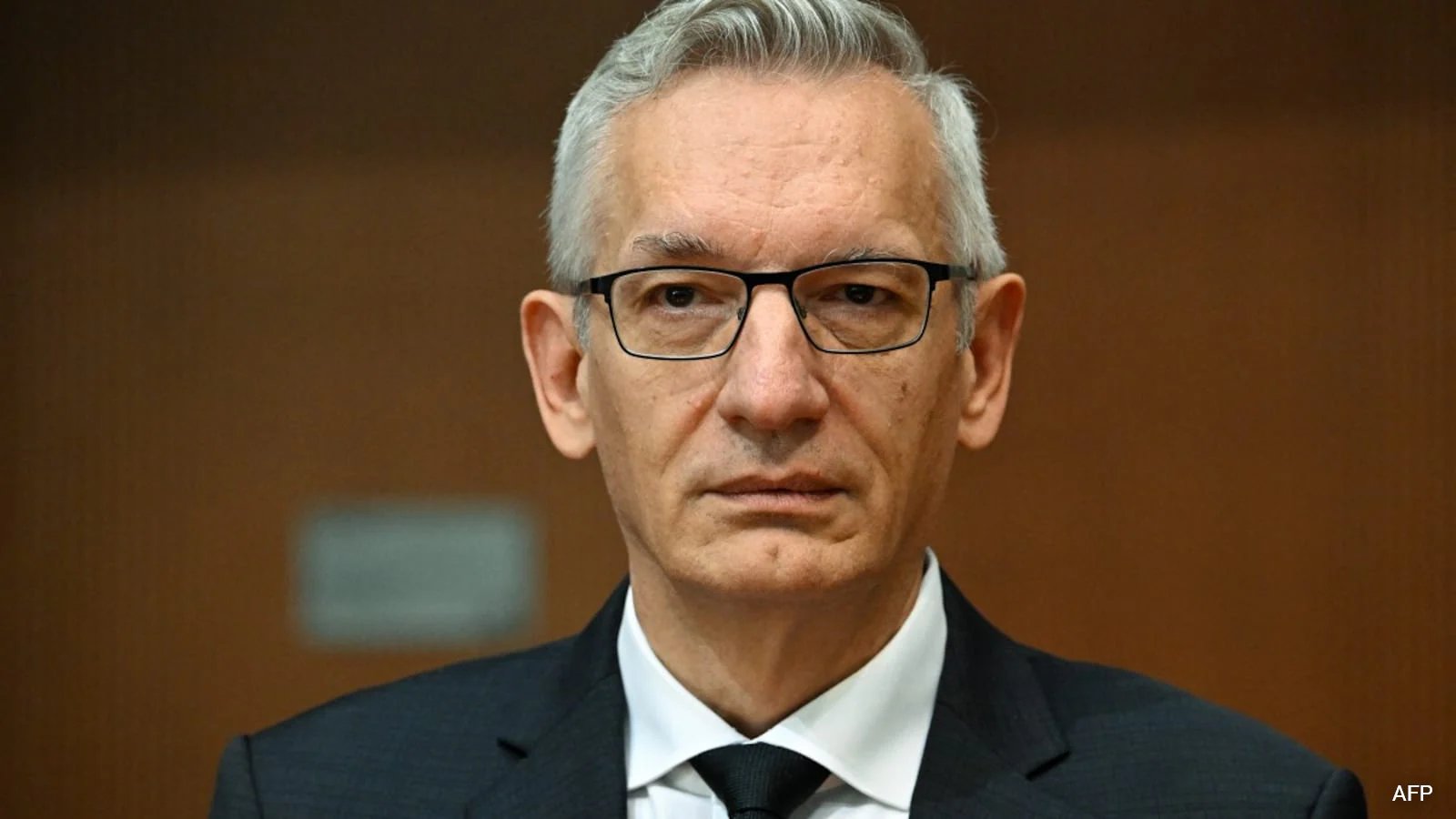
Martin Jaeger, the head of the Bundesnachrichtendienst (BND), delivered a stark warning to German lawmakers on Monday: the nation is edging toward open, violent conflict with Russia. Speaking at the annual public hearing of intelligence chiefs in parliament, Jaeger rejected the notion that the current standoff is merely a geopolitical posturing exercise. “The confrontation we are facing with Russia has taken on a new, more dangerous dimension,” he stated, framing the situation as an existential threat to European democracies.
The intelligence chief pointed to specific, tangible evidence of this escalation. He cited the attempted drone attack on Leipzig airport in August as a clear precursor to broader aggression, labeling it just one example of Moscow's increasingly bold hybrid campaign. German authorities have repeatedly accused Moscow of orchestrating a coordinated strategy of drone strikes and cyber intrusions designed to destabilize the region. For Jaeger, these are not isolated incidents but the opening moves of a larger, more dangerous game.
Moscow has pushed back against these characterizations, though its denials often ring hollow in Berlin. President Vladimir Putin addressed the tension on Thursday, insisting that Russia poses no threat to NATO members. “We are not threatening anyone,” Putin said, adding that Russia has no intention of attacking nations in the coming decades. However, he quickly appended a familiar caveat: if subjected to aggression, Russia would have no choice but to respond. This conditional defense has done little to ease the palpable anxiety in European security circles.
The stakes are no longer abstract. With intelligence agencies on both sides signaling heightened vigilance, the diplomatic window for de-escalation appears to be narrowing rapidly. The next move from either Berlin or Moscow will likely determine whether this shadow war remains in the shadows or erupts into kinetic violence.