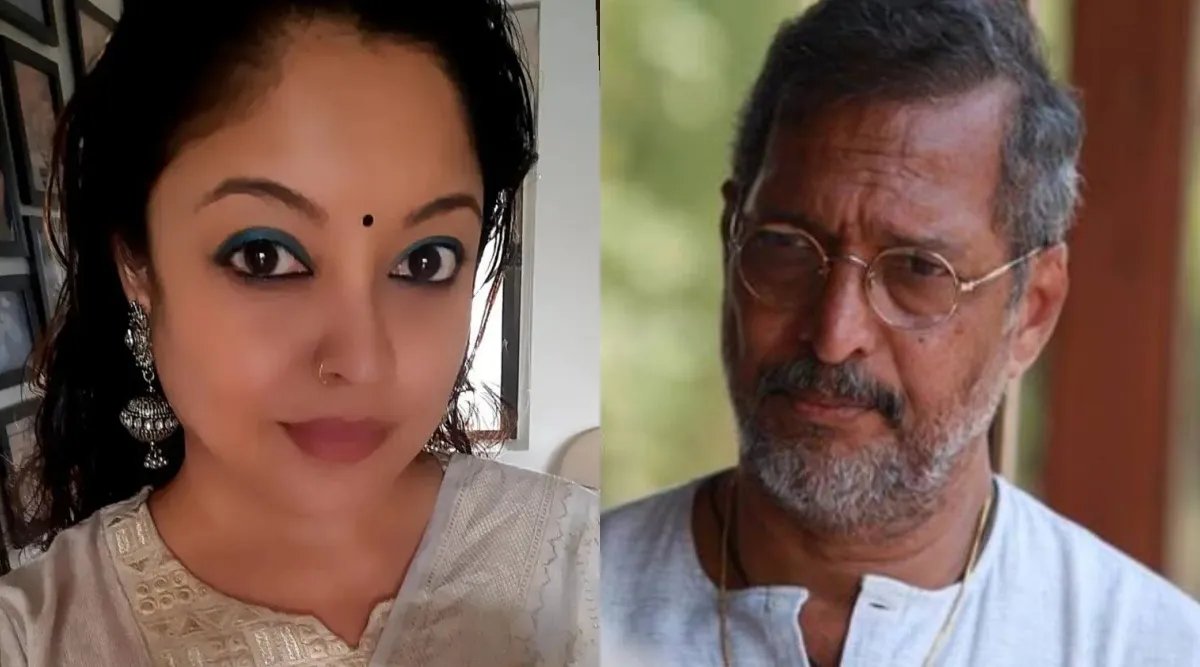
When Tanushree Dutta went live on Oct 12, she didn’t just mourn; she fired a volley of questions at the industry. ‘No one in Bollywood saw the body,’ she blurted, demanding a post‑mortem and a public viewing that never materialised. Her comments made headlines faster than a Bollywood trailer drop.
Three days later, the city’s Prabhadevi district turned into a solemn stage. At the PL Deshpande Maharashtra Kala Academy, stars like Shivaji Satam, Varsha Usgaonkar, Rohini Hattangadi, filmmaker Sanjay Jadhav, and director Mehul Kumar gathered to offer prayers. Even the Maharashtra FDA commissioner, Tukaram Mundhe, stepped in, reminding the crowd that a man of Nana’s stature had always cared for the under‑privileged.
Mundhe’s speech was a patchwork of nostalgia and duty. “He was a man of great utility,” he said, citing Nana’s countless charity drives. He urged the audience to follow Nana’s path of service, turning the funeral into a call to action. The presence of the commissioner added a bureaucratic weight to what many saw as a pure cinematic tribute.
But the event wasn’t just about paying respects; it was a battlefield of opinions. Pravin Tarde, a filmmaker known for his biting commentary, slammed the industry's muted attendance. “The farmers who lined the procession mattered more than the perfume‑smelling Bollywood celebrities,” he said, pointing out that only a handful of his peers, like Jackie Shroff and Suresh Wadkar, had shown up. His remarks echo a larger debate on how the Indian film world honours its own.