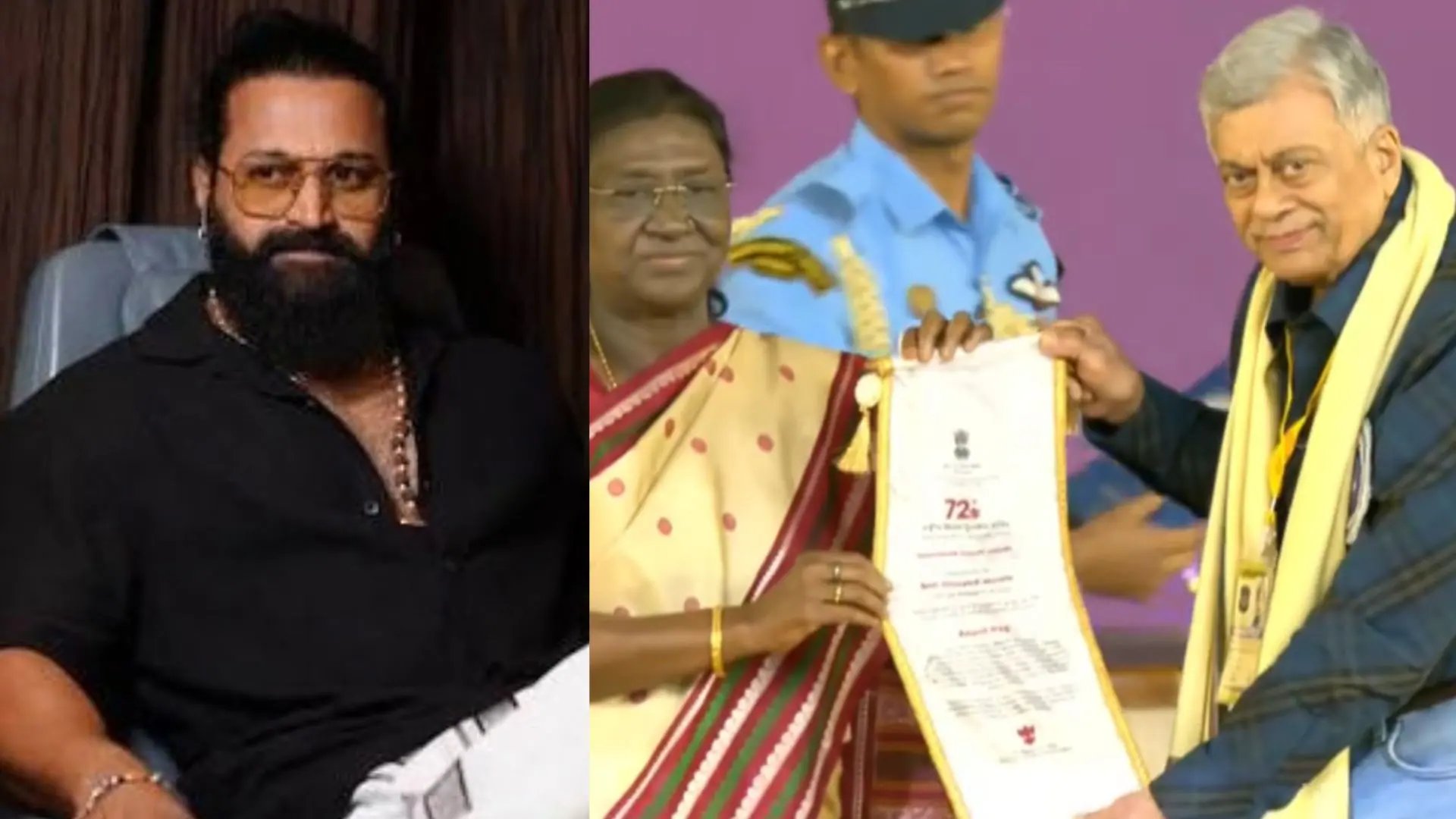
The 72nd National Film Awards, staged in the dusty town of Kevadia, Gujarat on September 22, saw 78‑year‑old Anant Nag lift the coveted Dadasaheb Phalke Award. The moment felt like a quiet thunderclap in a quiet room, the kind of silence that turns into applause when the screen lights dim. NEWPAR Rishab Shetty’s X post cut through the fanfare. He remembered curled up on a worn floor, a tiny TV flickering with Nag’s understated brilliance. Now, as the director of a fresh Kannada hit, he could finally put a hand on the man who had been the quiet hero of his childhood. The tweet read, “Growing up watching you on TV, directing you is a great honour.” It’s a simple sentence that packs a decade of reverence. NEWPAR Not to be outdone, Rakshit Shetty slid a second note into the conversation. His words—“The grace with which he has carried this incredible journey has always been an inspiration”—echoed the film‑industry sentiment that Anant’s influence spans beyond Kannada borders. The message was a quiet homage to a legend whose career swam across six languages and five states. NEWPAR Anant’s filmography is a long, unbroken line of characters: over 300 films, 250 in Kannada, and roles that have graced Hindi, Telugu, Tamil, Marathi, Malayalam and even English screens. Starring in classics like Malgudi Days and Krantiveer, his versatility has made him a bridge between generations. The award, therefore, feels less like a capstone and more like a bookmark in a story that still has chapters to write. NEWPAR For Kannada cinema, the moment signals a passing of the torch that is both celebratory and sobering. It reminds us that the industry’s future will still be shaped by legends who have taught us the craft, while the next wave of talent—like Rishab and Rakshit—continues to build on that foundation. The award is a reminder that cinema is a living, breathing dialogue between past and present, and that every frame still counts.