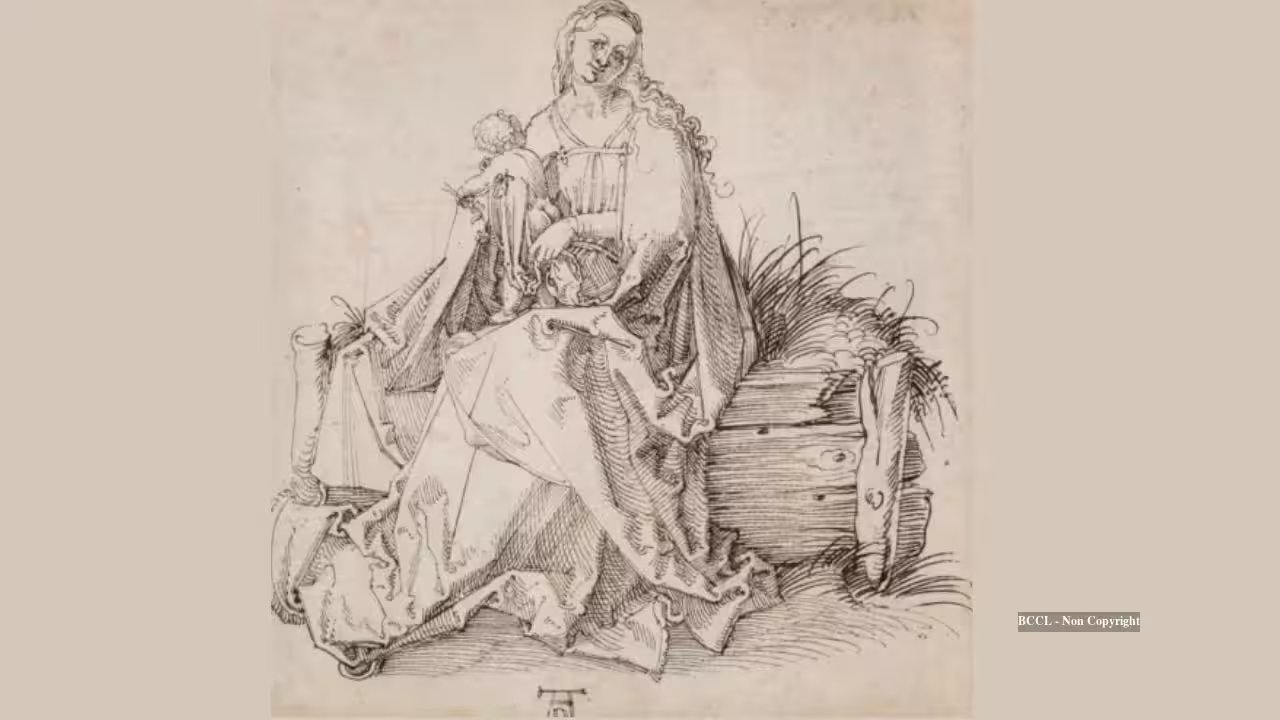
The sketch surfaced at a Massachusetts estate sale in 2017, owned by the daughters of late architect Jean‑Paul Carlhian. The pair had displayed the unframed linen on an easel, cataloguing it as a 19th‑century reproduction. The buyer, who preferred anonymity, bought the piece without knowing its true provenance.
In 2019, collector Clifford Schorer visited Boston and heard rumors about the drawing. He examined the ink work and remarked that it was either the greatest forgery he had ever seen or a genuine masterpiece. Schorer's reaction sparked a formal investigation by leading art historians.
Christof Metzger, head curator at Vienna’s Albertina, and former British Museum curator Giulia Bartrum conducted a three‑year analysis of the paper, ink, and watermark. Conservator Jane McAusland identified a trident‑ring watermark common to over 200 sheets used by Dürer. The monogram and ink match confirmed the sketch’s authenticity.
Scholars now date the work to 1503 and link it to Dürer’s unfinished composition 'The Virgin Among a Multitude of Animals' housed at the Albertina. The drawing portrays the Virgin and Child on a grassy bench, a scene that reveals Dürer’s experimental use of light and movement.
The estate sale purchase has been valued at $10 million, and the sketch is scheduled to go to Christie's New York in November. Auction houses expect intense bidding from major collectors and museums, while the anonymous owner will likely receive a windfall from the sale.