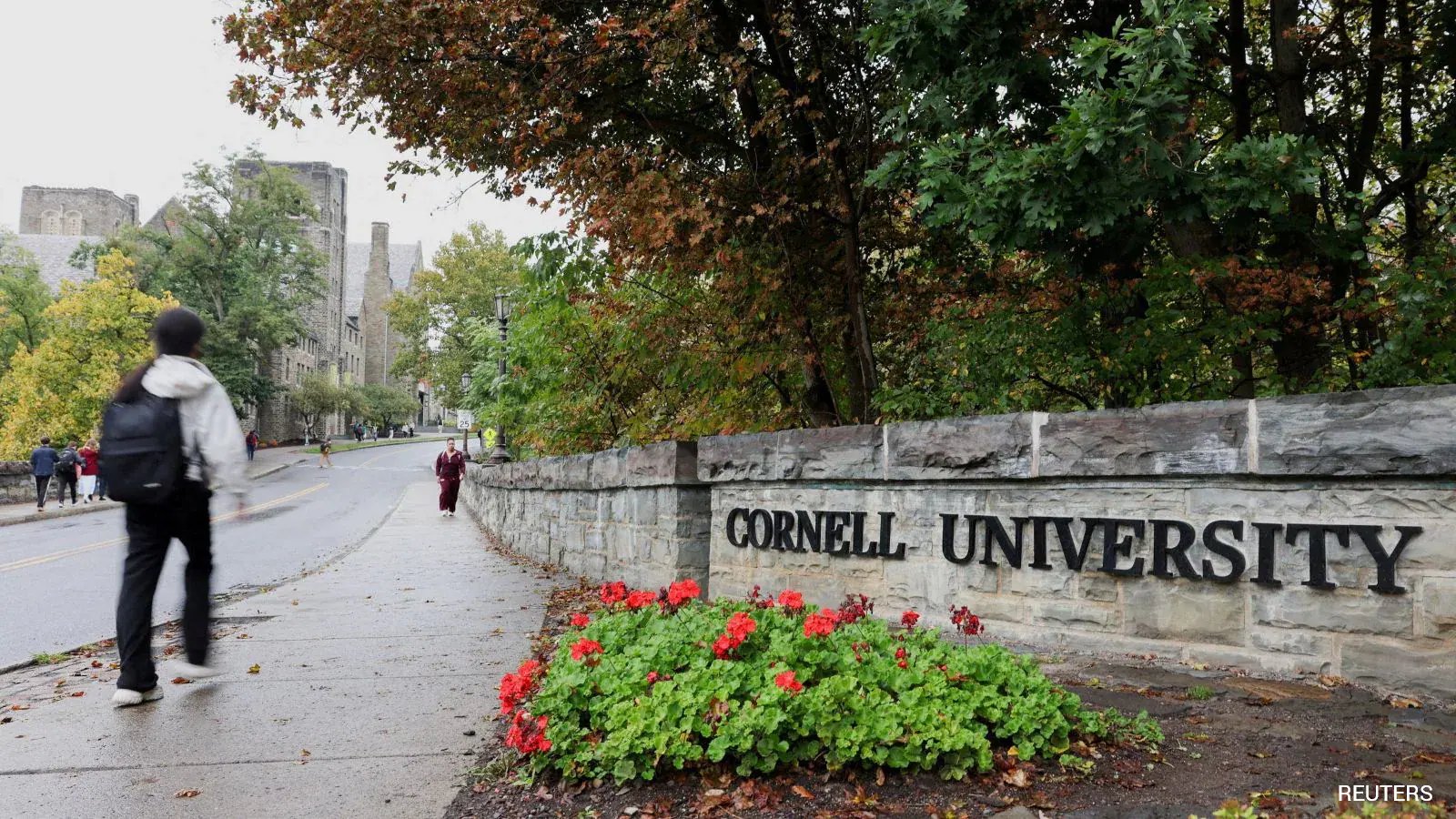
The lawsuit, filed by a 20‑year‑old woman who identifies as "Jane Doe," accuses Cornell University and seven members of the Alpha‑Kappa‑Rho fraternity of gang‑rape that allegedly took place on campus in 2024.
The case was lodged on September 16, 2024, prompting the New York Attorney General’s office to step in as special prosecutor after Governor Kathy Hochul criticized the initial police and prosecutor response.
Cornell’s spokesperson said the university had followed its standard reporting procedures, but the university’s lawyers noted that the allegations were still pending a full investigation.
In the wake of the filing, the accuser’s identity has become a flashpoint online, with some commentators demanding she be named and others warning that such pressure could endanger her safety.
Thomas Giuffra, the accuser’s lawyer, called the online attempts to identify her a form of harassment, stating that the victim is “under siege on social media.”
The social‑media response is polarized: activist Twanna LaTrice Hill, who has taken the #IamJaneDoe hashtag, urges supporters to respect the victim’s right to choose when to reveal her name, while commentator Michael Tracey has publicly challenged the accuser’s credibility, claiming the victim is a fabricated persona.
Amid the digital melee, the Cornell campus community remains divided; a 2023 survey revealed that 35% of undergraduate women at the university reported experiencing non‑consensual sex, underscoring the broader climate of sexual violence within the campus.
The next steps are set for the courtroom: a preliminary hearing will determine the admissibility of evidence, and the special prosecutor will decide whether to file criminal charges. The state’s decision to reopen the case signals a shift in how similar allegations are handled, but the enduring controversy over privacy and reputation continues to loom.