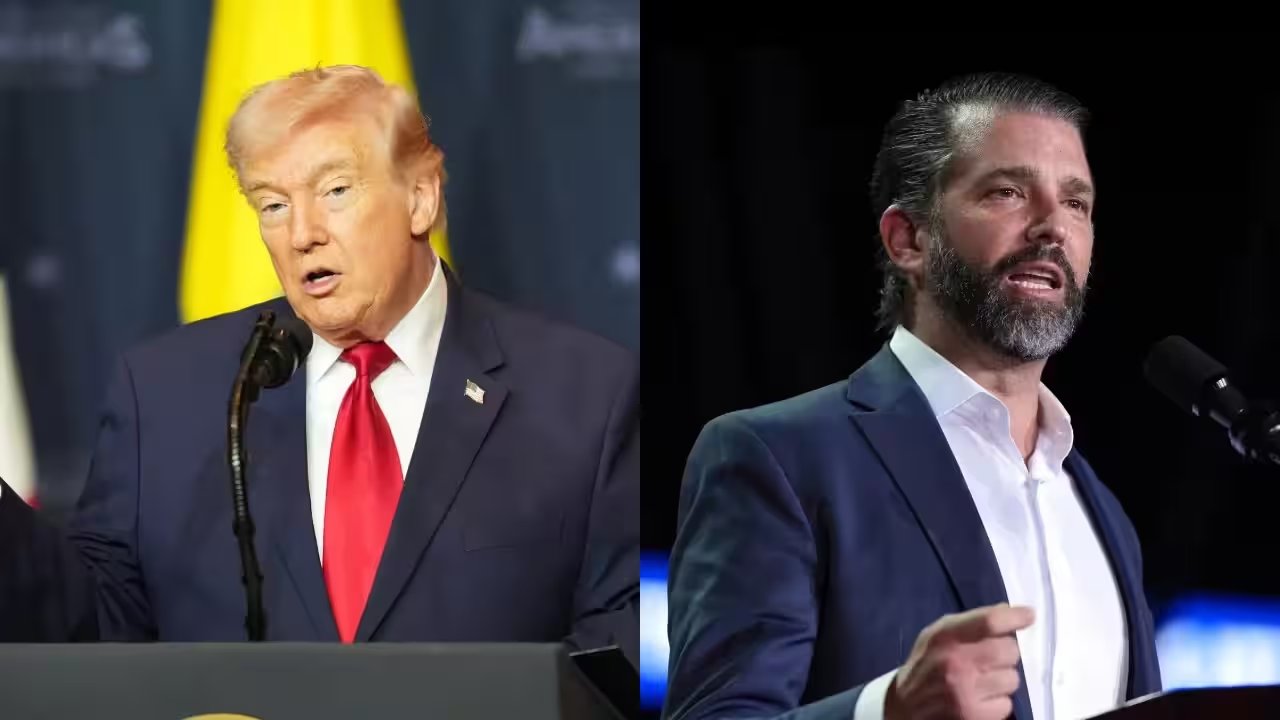
Trump Jr., long a skeptic of foreign military intervention, told his father he would not support any U.S. action that could drag Washington into another Middle East war. He raised his concerns months before the first joint strikes with Israel, when Washington prepared to target Iranian air‑defence sites. The conversation came to light through confidants who spoke to The Atlantic.
In April 2024, Trump Jr. posted on X that the president’s promise to keep the U.S. out of another conflict was a key advantage. He contrasted this stance with the administration’s policy, which ultimately led to the February campaign that hit Iranian missile bases.
Inside the administration, Vice President JD Vance had reportedly voiced private opposition, and CIA Director John Ratcliffe and Secretary of State Marco Rubio were skeptical of the Israeli proposal for a regime‑change strike. Their doubts highlighted a broader divide within the Trump base between non‑interventionists and hawks.
The White House has since ruled out direct U.S. attacks on Iran before the mid‑term elections, citing the success of the blockade and the risk of escalating the conflict. Whether a future joint operation will materialise remains uncertain as the administration weighs domestic fallout.
For families displaced by the war, the debate over U.S. involvement feels like a gamble that could further strain their already precarious lives.