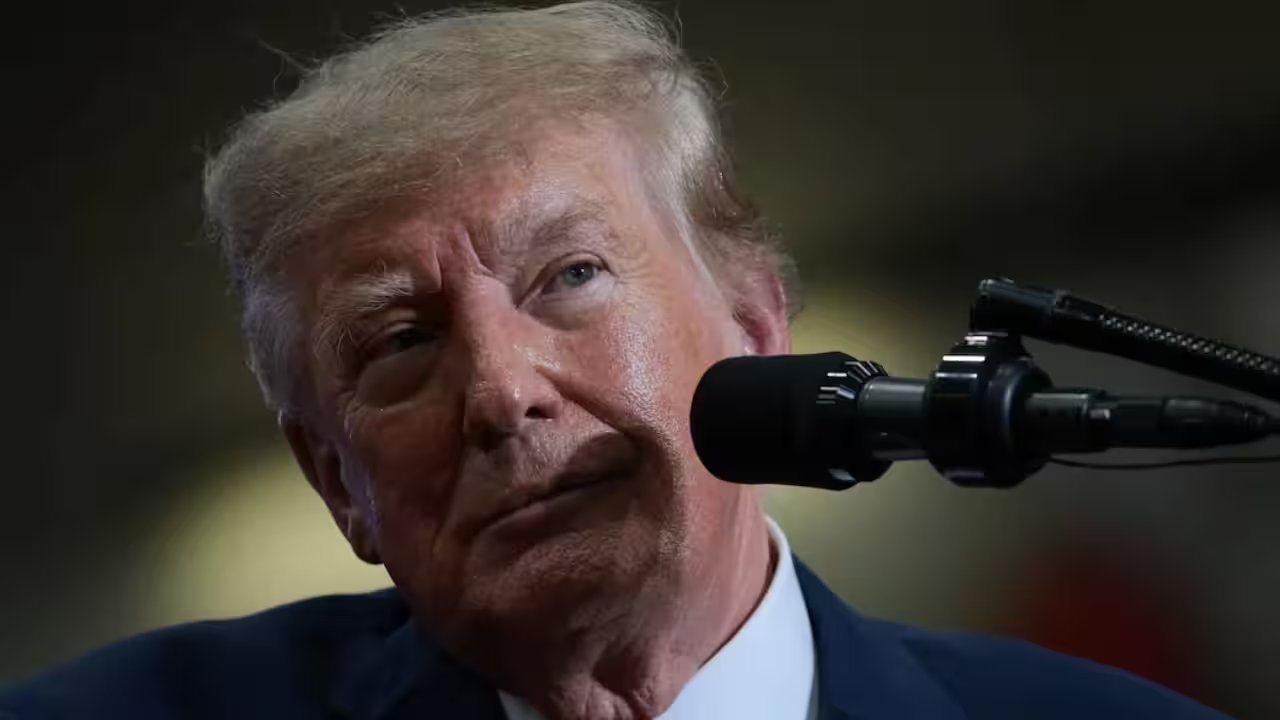
Six private citizens—ranging from a civics teacher to a human rights advocate—filed a federal lawsuit in the Southern District of New York on October 26, 2026, suing President Donald Trump for restricting press access. The complaint, titled Roth v. Trump, marks a sharp departure from standard press freedom litigation. Instead of defending reporters' rights to gather news, the plaintiffs argue the administration is violating the public's constitutional right to receive it. This is a strategic pivot. By framing the issue as a harm to ordinary Americans, the legal team aims to bypass prior rulings that may have protected executive discretion over who gets a press pass.
The suit was brought by the Knight First Amendment Institute at Columbia University and the Media Freedom and Information Access Clinic at Yale Law School. Jameel Jaffer, executive director of the Knight Institute, stated plainly that the president has no right to use state power to punish reporters he dislikes. "President Trump's ban on the free press is a direct attack on the American public," Jaffer said in a statement released alongside the court filing. He argued that while criticism of the press is protected speech, using government infrastructure to insulate the executive from independent journalism is unconstitutional. The core legal theory relies on the concept of the public forum. The plaintiffs assert that White House press areas are public forums where the government cannot exclude speakers—reporters—based on the content of their reporting.
The administration's actions are not new, but the legal framing is. According to the complaint, executive officials have limited credentialed access for outlets like CNN and Politico, which have frequently faced public criticism from the White House. This follows a 2018 ruling by U.S. District Judge Timothy J. Kelly, who ordered the restoration of press credentials for CNN correspondent Jim Acosta after the White House revoked them without due process. Despite that precedent, the plaintiffs claim the administration has resorted to informal bans and selective cancellations. They argue these tactics selectively grant access only to supportive commentators, effectively curating the narrative of federal policy for the American public. Larry Roth, the civics teacher named in the case, highlighted the educational impact, noting that such restrictions make it difficult for citizens to judge whether the president is being held accountable.
The defendants include President Trump and senior White House communications officials who oversee credentialing. The lawsuit seeks an injunction to stop these exclusions, arguing they reduce the accuracy and quality of news coverage by preventing reporters from asking direct questions during official briefings. The legal team acknowledges the executive branch has broad authority to manage daily operations but draws a firm line at using that power to influence media reporting. The case now sits in the U.S. District Court for the Southern District of New York, where a judge must determine if the public's right to receive information outweighs the administration's claimed operational discretion. A ruling on the motion for a preliminary injunction is expected in the coming weeks, which could set a new precedent for press access in the executive branch.