US President Donald Trump said on Sunday that the White House is actively weighing whether to join military strikes against Yemen's Houthi rebels, citing a fresh assault on Riyadh's King Khalid International Airport that killed 12 people and injured more than 300. The president did not commit to immediate action but signaled a rapid decision-making process, stating, "We may. We're going to look at it... We move very quickly."
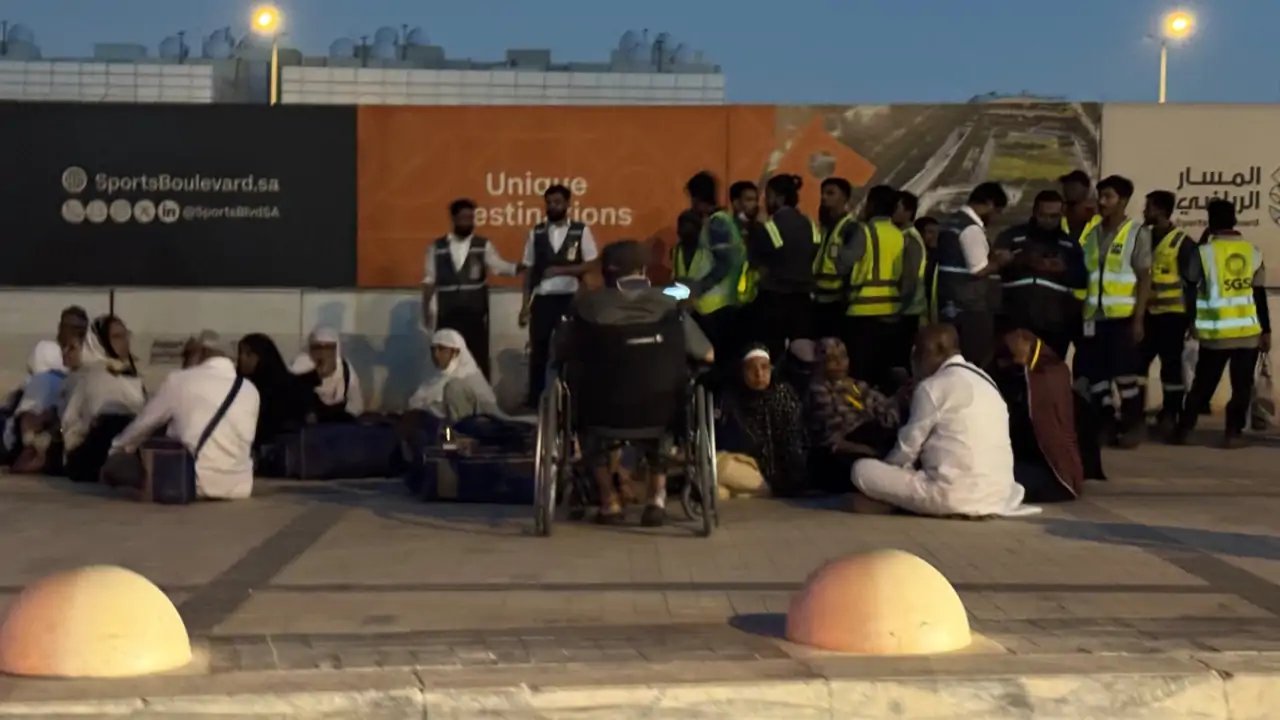
The attack, which occurred on October 10, intensified a week of escalating violence in which earlier strikes on the airport and Abha International Airport killed three others. GACA, the regulatory body, confirmed the casualties, while flight-tracking data from Flightradar24 and FlightAware showed chaos in the skies, with 225 flights cancelled in the 24 hours prior to the latest incident. Passengers faced four hours of delays as inbound planes diverted to other hubs after the 2:05 pm local time landing of the last inbound flight. Dozens of ambulances rushed to the site, and airport officials urged travelers to verify their status before arriving.
In New Delhi, the Ministry of External Affairs issued a sharp rebuke of the "dastardly" violence, expressing solidarity with Saudi Arabia in defending its sovereignty. The MEA statement emphasized that attacks on civilian infrastructure are "completely unacceptable" and demanded an immediate cessation of hostilities. This diplomatic posture aligns with India's broader strategic interest in regional stability and the protection of its large expatriate community in the Gulf region.
The situation now hinges on whether the US will move from rhetoric to kinetic action. If Trump decides to join the Saudi-led coalition, the conflict in Yemen risks becoming a direct confrontation between Washington and Iran-backed forces, fundamentally altering the geopolitical landscape of the Middle East. For now, the focus remains on Riyadh, where airport operations remain suspended as authorities assess the damage and the threat level.