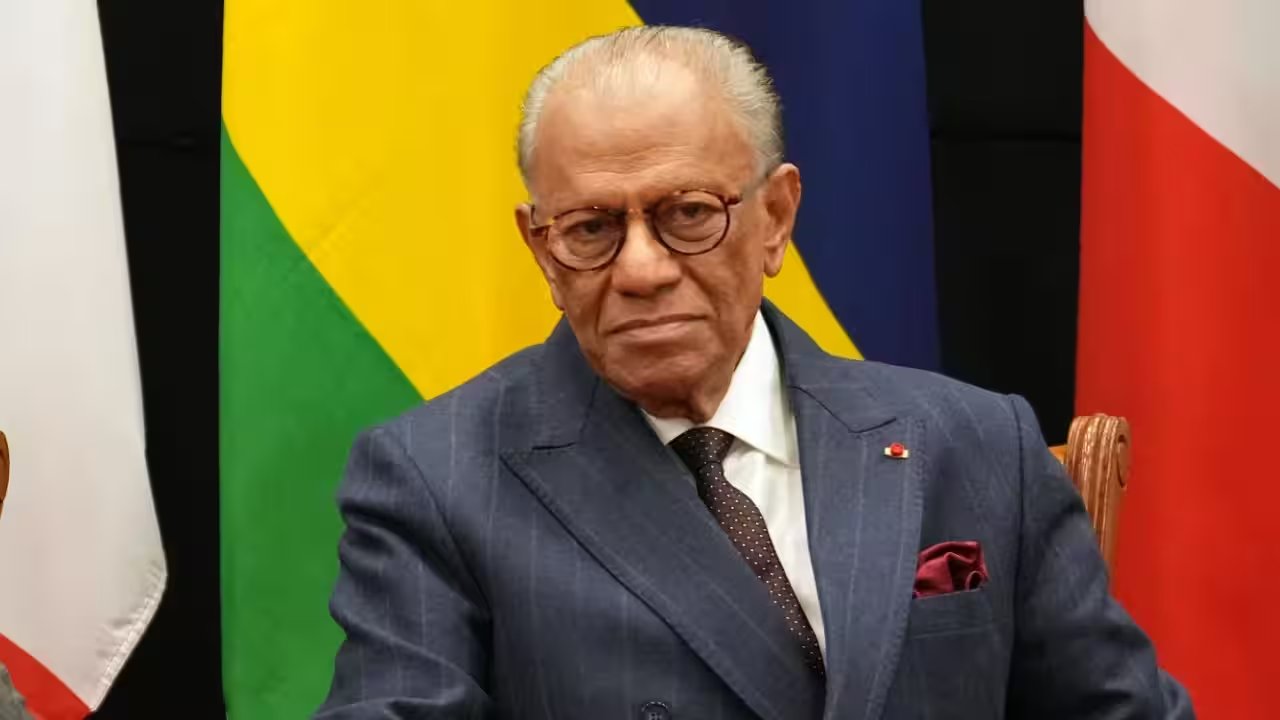
The curfew, set from 8:30 p.m. on Thursday to 6 a.m. Saturday, comes after authorities detained 94 people, including 16 minors, in the past 48 hours.
Water shortages sit at the heart of the unrest; reservoir levels slipped to 57.1% of capacity on October 8, with Mare aux Vacoas at a critical 35.7%. Emergency measures—drilling boreholes and dispatching water tankers—have been deployed, yet families keep waiting for clean water.
Travel advisories from Britain, Canada and the U.S. warned of potential disruptions, while the U.S. Embassy in Port Louis issued a security alert and cancelled scheduled services. The international community watches closely as Mauritius, once hailed as Africa’s most stable democracy, faces a crisis that echoes its 1999 turmoil.
In Camp Levieux, a 12‑year‑old boy named Ravi watched police gunfire from his window; his mother, a nurse, said their home had no water for three days. Ravi’s story echoes the lived reality behind the headlines—families bereft of basic resources, caught in a spiral of fear.
Going forward, police will intensify roadblocks and monitor social media for hate speech. The Cabinet also hinted at amending the Children’s Act to lower the minimum age for detention from 14 to 12 and will expedite cases under the Prevention of Terrorism Act. Schools nationwide remain closed for the next two days, and exams have been postponed in Rodrigues and Agaléga.