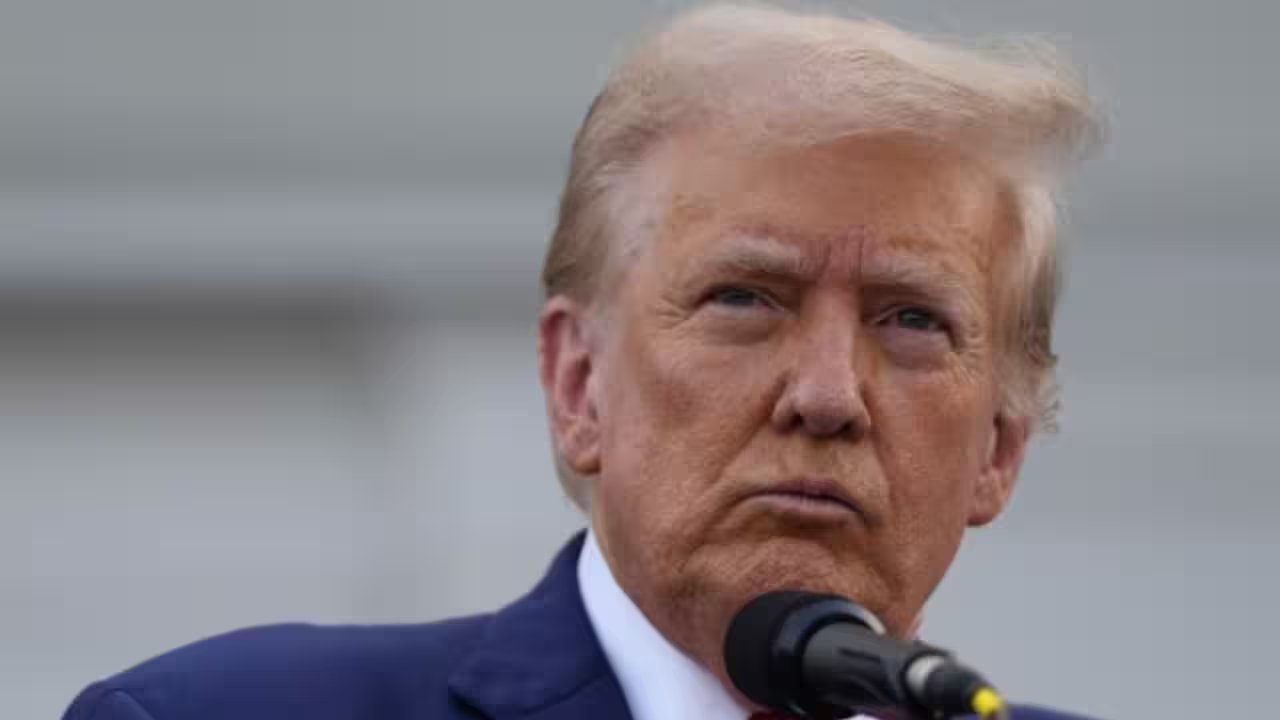
On March 28, 2026, President Donald Trump addressed a crowd in Bullhead City, Arizona, urging voters to treat the upcoming November 3 midterm elections as a referendum on his presidency—an appeal that has already resonated with Republican operatives across the South.
During the rally, Trump announced plans to host 32 separate gatherings before election day, citing a 49% drop in turnout when he is not on the ballot. He said, "When I don’t run, we get 49 per cent less turnout," a statistic he offered without evidence but one that has spurred Republican strategists to intensify their outreach.
At the same event, Trump introduced a proposal to grant every eligible adult a $5,000 check if Republicans secure control of both the House and the Senate. He explained the payment would be funded through tariff revenue and economic growth, insisting that the money must be spent within the United States. No details on legislative authorization were provided, leaving lawmakers to wonder how the plan would be enacted.
Reactions were mixed. Republican leaders in Arizona and Montana praised the president’s push, arguing that heightened turnout could preserve the administration’s tax cuts and border enforcement policies. Democratic officials, meanwhile, warned that a Republican majority might erode checks and balances, and called for heightened scrutiny of any financial incentives tied to voting.
The November 3 elections will determine the balance of power in Washington, with the House and a portion of the Senate up for grabs. The outcome will dictate whether Trump’s agenda can proceed unimpeded or face potential legislative setbacks as the final two years of his term unfold.