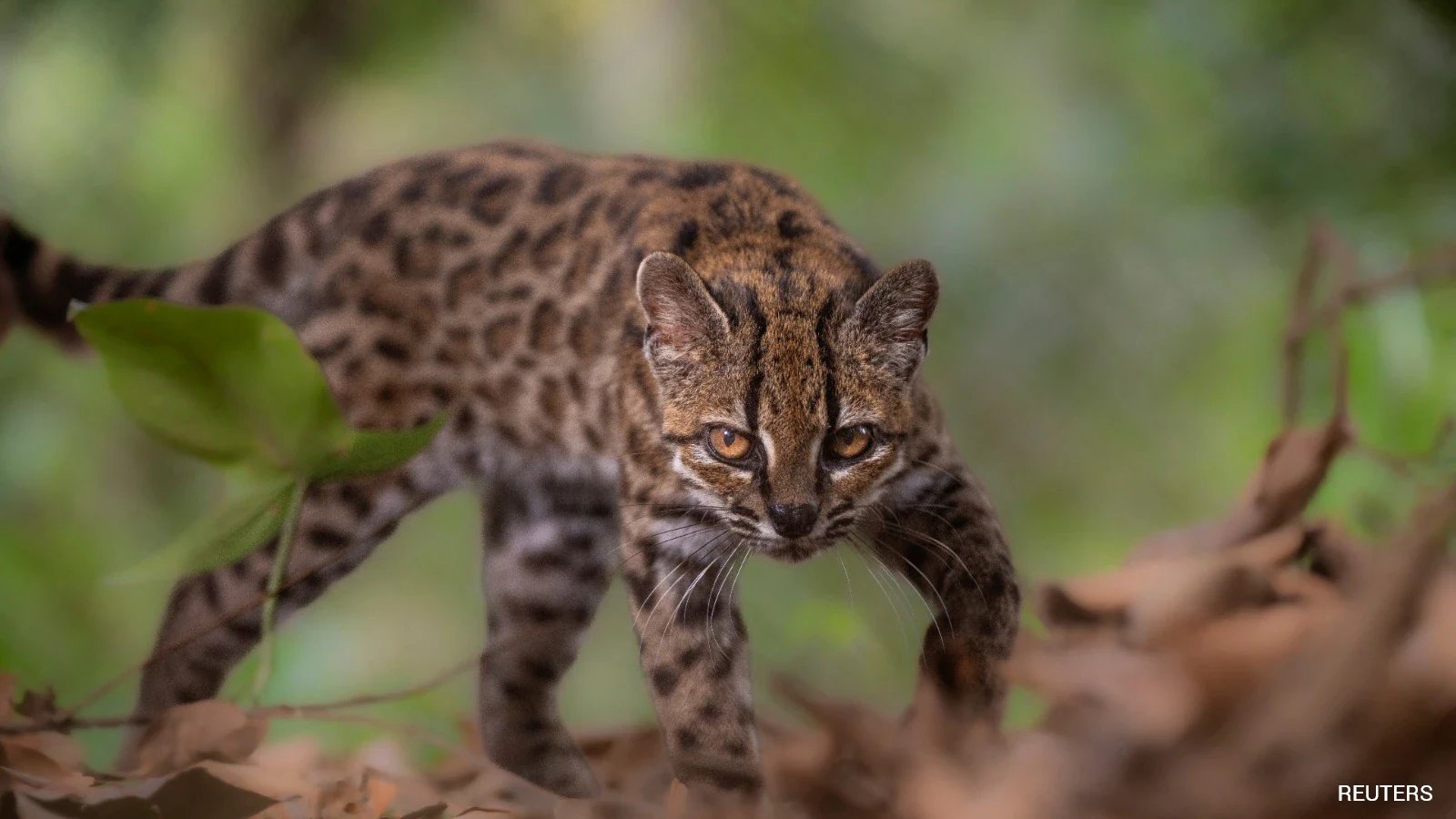
Scientists have formally named a new wild cat species in Bolivia, ending a 100-year drought in feline taxonomy. Published in the journal Current Biology, the study identifies the animal as Leopardus tilcayo, a creature local communities have long called the Tilcayo. This discovery breaks a century-long silence; no new living cat species had been formally described since before the Wright brothers flew at Kitty Hawk.
The animal is tiny—measuring just 18 inches and weighing 3 pounds, smaller than the average house cat. Paola Nogales-Ascarrunz, a National Geographic Explorer and co-author, noted that its light brown fur with irregular rosettes initially confused the team. "Its characteristics did not match the descriptions, most of them based on Brazilian cats," she said. That discrepancy triggered a deep genetic dive into what they thought was a single, widespread species.
The team analyzed DNA from 38 cats, including eight museum specimens, across South America. The results shattered the previous understanding of tiger cats. Jonas Lescroart, an evolutionary biologist at the University of Antwerp and co-lead author, explained that the group is actually five genetically distinct species. The Tilcayo lineage, specifically, split from its relatives approximately 1.4 million years ago. "We never expected this Bolivian tiger cat to be a separate species," Lescroart admitted, noting that no one had previously proposed it as a distinct entity.
What we know about their daily life remains sparse. Scat samples reveal a diet of small rodents, while camera traps suggest nocturnal habits. One of the few live individuals examined is a 10-year-old male, currently residing at the Senda Verde Wildlife Sanctuary after being kept by a local family. The researchers also identified a new subspecies in Peru, Leopardus tigrinus antisuyo, named after the Inca region it inhabits.
The discovery carries urgent conservation implications. The Yungas cloud forest, where the Tilcayo lives, faces severe pressure from deforestation, mining, and fires. The IUCN currently lists tiger cats as 'vulnerable,' but the new genetic split means the Tilcayo could be reclassified as 'endangered' once assessed independently. Eduardo Eizirik, a senior author from Brazil, warned that many species are disappearing before we even know they exist. The IUCN’s upcoming review will determine the cat's final status, but for now, the message is clear: the wilderness still holds secrets, and time is running out to save them.