The 2026 US midterm elections have arrived, and Indian-Americans find themselves staring down the barrel of political irrelevance. Neither the MAGA wing of the Republican Party nor the Democratic establishment is courting this demographic, leaving a community of high-earning professionals caught between racist rhetoric and polite dismissal. The silence is deafening, particularly after a foiled attack on a Hindu temple in suburban Chicago went largely unremarked upon by national political figures.
Pushpita Prasad, an Indian-American community leader, highlighted the disrespect inherent in the current political climate. "It’s frankly disrespectful to try and roll an India label into something else," Prasad told TOI Digital. She noted that while Kamala Harris is frequently labeled "South Asian," Jill Biden’s Italian American heritage is respected, despite earlier immigration dates. This terminological erasure extends to cultural festivals, with Diwali often rebranded as a generic "South Asian" celebration, stripping it of its religious roots.
The political dynamics are starkly unequal. On one side, MAGA adherents view Indian-American students through the lens of the "Great Replacement" theory, fixating on skin pigmentation over loyalty. On the other, Democrats, who claim to champion minority rights, often platform speakers from anti-India advocacy groups like Dismantle Global Hindutva. The result is a diaspora that is economically powerful but politically voiceless, struggling to counter global Anglosphere narratives that often conflate Indian politics with caste issues or "Hindu nationalism."
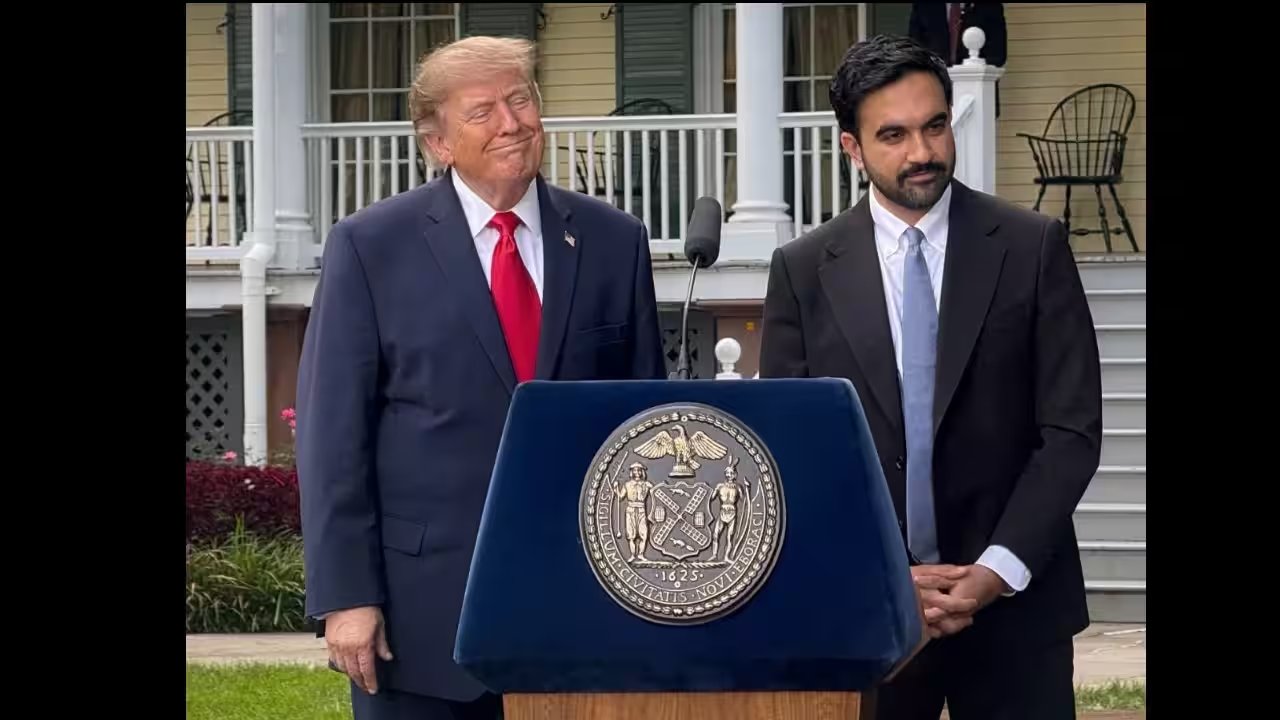
This marginalization persists despite rising representation. New York Mayor Zohran Mamdani, an Indian-American, is a visible Democratic face, yet even he avoids the "Indian-American" label in public discourse. The community remains stuck in a cycle where specific cultural identities are diluted into broader, less distinct categories, leaving them vulnerable to prejudice without a clear political shield.