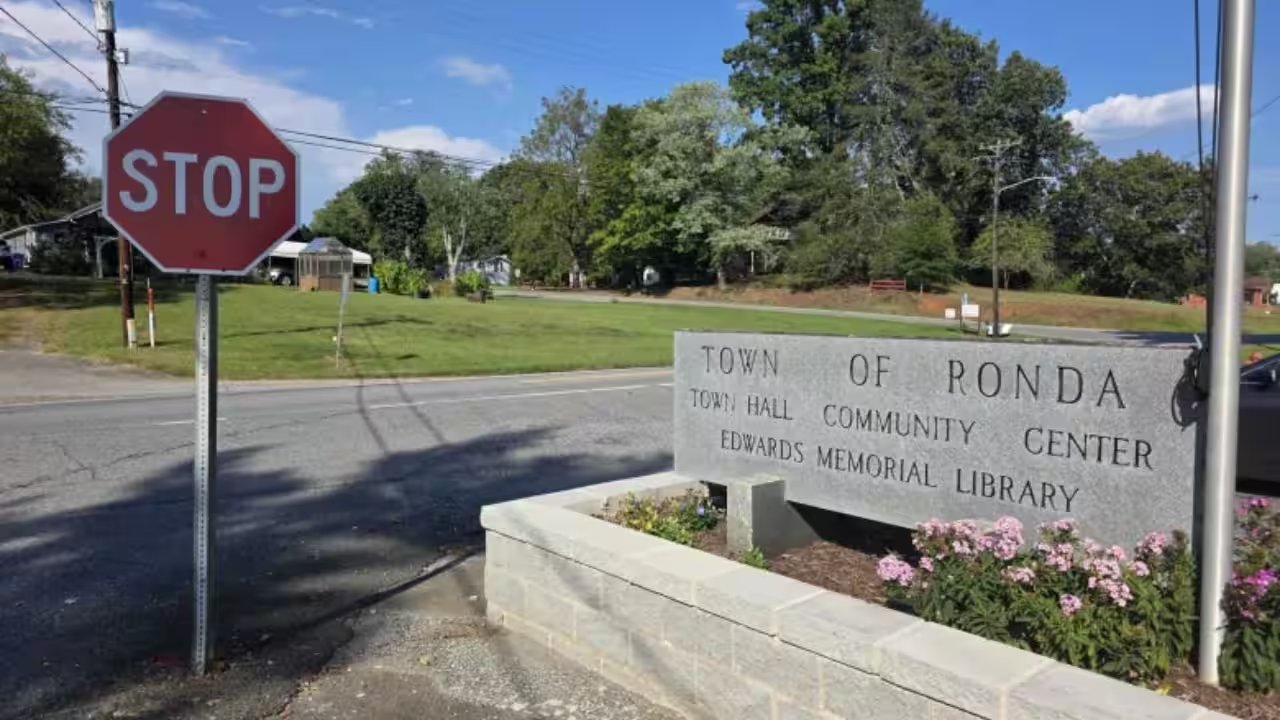
Ronda, a hamlet clinging to the Yadkin River in Wilkes County, is ceasing to exist. On September 1, town officials voted to move forward with dissolution, a decision driven by the North Carolina Local Government Commission (LGC) and a cash flow crisis that left the municipality unable to guarantee payroll. The move ends the legal life of a town chartered in 1907, effectively merging its remaining functions back into the county framework while residents wait to see how their taxes and services will change.
The commission didn’t mince words. On August 11, Kendra Boyle, the LGC’s director of fiscal management, told the board that Ronda was facing "severe and immediate financial distress." For over a decade, the town sat on the LGC’s Unit Assistance List, plagued by late audits, budget violations, and a water system that bled the general fund dry. Acting Mayor Kevin Reece admitted the infrastructure issues had consumed the town’s reserves. "This town’s been there a long time," Reece said. "A lot of history, just not a lot of money."
The financial rot ran deeper than broken pipes. LGC records show Ronda submitted audits up to a year late between 2021 and now. Denise Canada, the LGC secretary, noted that while the papers are now current, the numbers they reveal are alarming. Commissioner Bobby Munsey pointed a finger at James Michael Boaz, a former financial consultant employed by the town for at least a decade. Boaz, who previously served as town manager in Pilot Mountain, was arrested in May on charges of embezzling funds there. His next hearing is set for October 12.
The demographic reality is stark. Of Ronda’s roughly 436 residents, most are over 65, living on fixed Social Security incomes after lifetimes in textile mills and furniture factories. Reece argued that letting a state panel decide the town’s fate was undemocratic. "They should be able to vote with facts," he said, noting that property taxes would likely triple if the town continued. But the LGC slammed that door shut. A referendum on dissolution wouldn’t happen until November 2027 at the earliest—years after the town’s accounts would have gone to zero.
State Treasurer Brad Briner, who chairs the LGC, praised the leadership for taking action. "We appreciate Ronda leaders’ willingness to do what is best for their citizens and taxpayers," Briner said. The LGC staff is already coordinating with Wilkes County to manage the transition. For the residents of Ronda, the vote isn’t just bureaucratic; it’s a survival mechanism. The town is gone, but the people remain, now waiting for the county to absorb the debts and the realities of their new, smaller world.