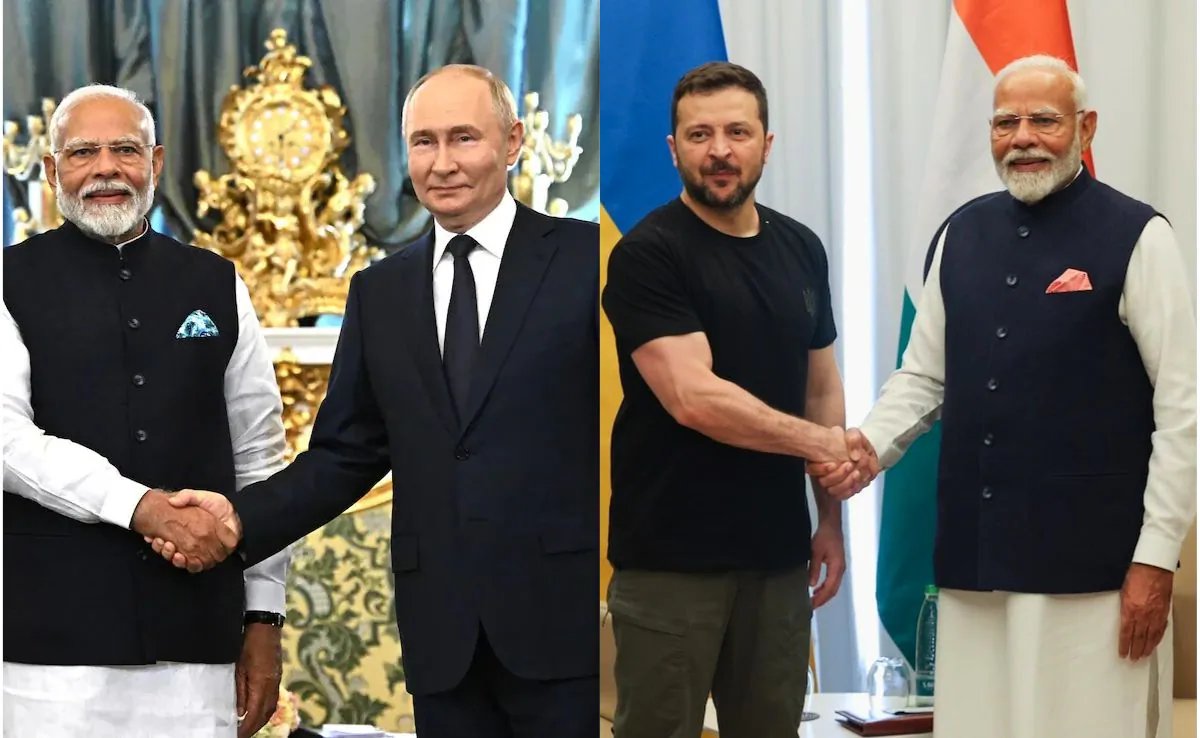
India’s foreign minister S Jaishankar presented a three‑phase ceasefire proposal to Ukraine last month in Kyiv, calling for an immediate pause in attacks on energy facilities and a safeguard for commercial shipping through the Black Sea. The plan stipulates that grain and energy must flow unimpeded, while all hostilities, including strikes on port infrastructure, cease.
India has maintained a neutral stance on the war, refraining from direct criticism of Russia because of its defence ties, yet it has moved beyond advocacy by holding practical discussions with both Moscow and Kyiv. At the Munich Security Conference in Delhi, Jaishankar said New Delhi has been negotiating proposals ranging from protecting Black Sea shipping to halting attacks on energy infrastructure.
Ukrainian Foreign Minister Andrii Sybiha confirmed that Kyiv has received the proposal, calling it the most comprehensive among four international initiatives. He said Kyiv is ready to consider different truce formats, but any agreement must cover not only combat operations but also attacks on energy and port infrastructure.
Other proposals have come from Turkey, Egypt and the United States, each focusing on different aspects: Turkey and Egypt emphasize grain transport, while the U.S. centers on an "energy ceasefire." India’s next step is to continue negotiations with Moscow, refining the truce framework and potentially positioning itself as the main broker for a lasting settlement.