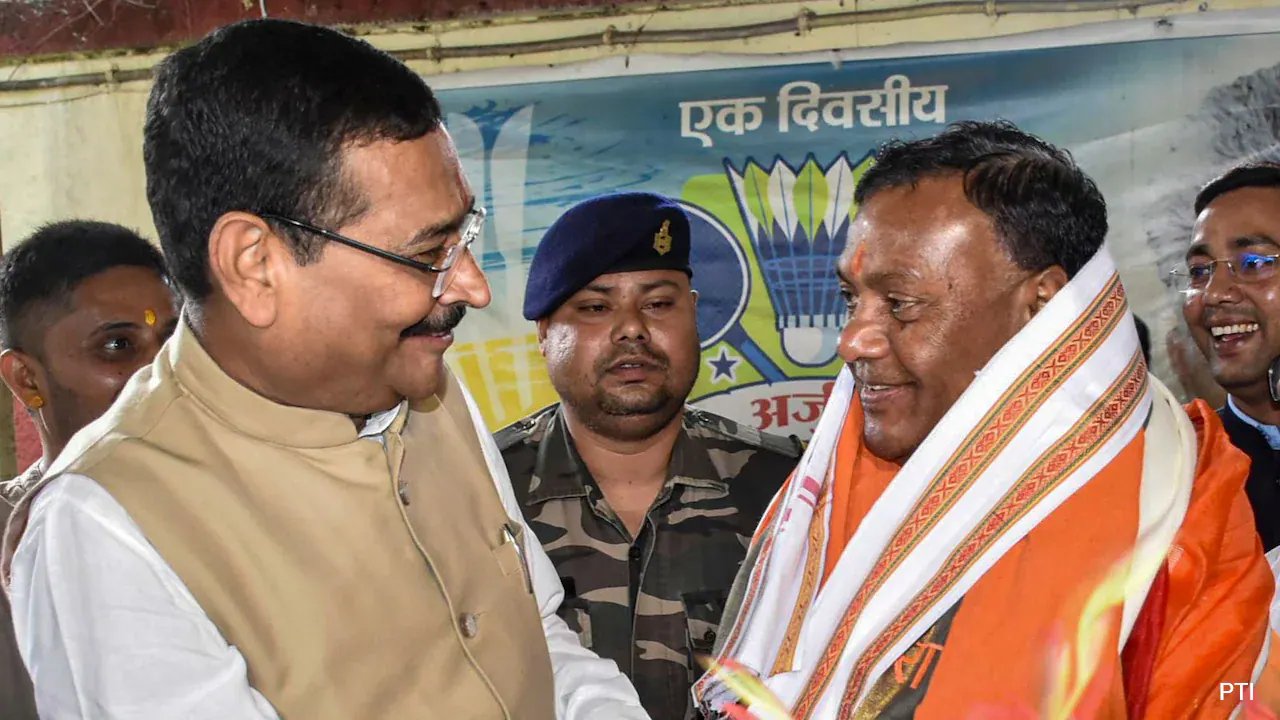
Odisha Governor Braj Mohan Ram unveiled his plans to rally Scheduled Caste voters for the BJP on 20 September 2024, days before his oath ceremony. The video of his statement, circulating across social media, said he would "strengthen the party organisation among the state’s Scheduled Castes community" and "ensure that the BJP gets as many votes as possible." The move immediately drew criticism, with opposition parties questioning the neutrality required of a constitutional office holder.
The controversy is not new. In 1984, Governor Thakur Ram Lal dismissed Andhra Pradesh’s NTR-led government while the chief minister was abroad, only to resign after public backlash. In 2005, Bihar Governor Buta Singh advanced a premature dissolution of the assembly, a decision the Supreme Court later declared unconstitutional. The same year, Jharkhand Governor Syed Sibtey Razi ignored a BJP‑NDA majority and invited Shibu Soren to form a government, a choice overturned by a floor test.
Karnataka’s HR Bhardwaj bypassed administrative channels to sanction a corruption case against Chief Minister B.S. Yediyurappa, provoking a BJP demand for his recall. Rajasthan’s Kalyan Singh, in 2019, openly declared his allegiance to the BJP and Prime Minister Modi, violating the Model Code of Conduct. Between 2019 and 2022, Maharashtra’s governor imposed and then revoked President’s Rule amid a hung assembly, a move that unsettled the state’s political equilibrium.
The Supreme Court has repeatedly cautioned governors against partisan interference. In 2006, the Court ruled that governors cannot act to advance a party’s interests. Earlier in 1974, the Court affirmed that a governor is a constitutional head bound by ministerial advice, except where the Constitution explicitly grants discretion. In 1994, the SR Bommai case curtailed the misuse of Article 356, reinforcing federalism. The 2016 Nabam Rebia case emphasized that a governor’s discretion must not override democratic principles.
Opposition parties now demand a parliamentary committee to scrutinise the governor’s neutrality, citing concerns that his pre‑oath statements could influence the election. The Odisha Legislative Assembly has scheduled a debate on 27 September, where the governor’s role and the integrity of the constitutional office will be examined. Meanwhile, Scheduled Caste communities across Odisha fear that political promises may be used to manipulate their votes rather than address their developmental needs.