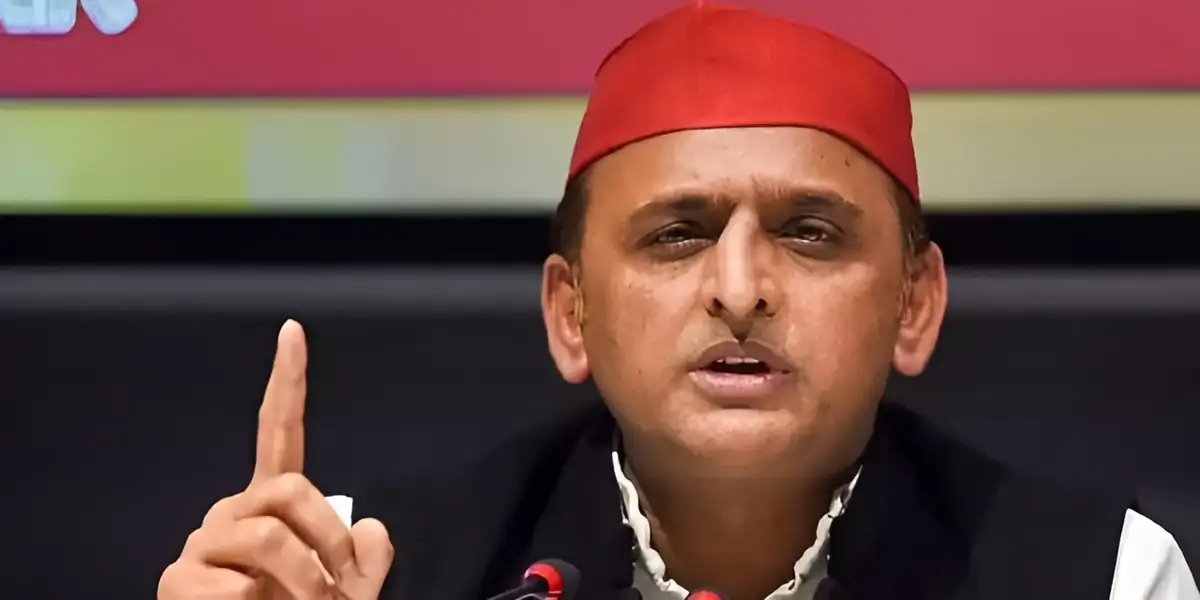
Akhilesh Yadav struck straight at the heart of the ruling Bharatiya Janata Party's signature ideological citadel on Monday, pledging to transform Ayodhya into the "global capital of Sanatan pilgrimage" ahead of his December 12 visit to the Ram Temple. The Samajwadi Party chief announced a wide-ranging policy blitz that promised transparent shrine management, root-and-branch audits of local land deals, and state-backed welfare interventions for impoverished residents.
Had footfalls dropped? Yadav insisted they had. Devotee numbers, he argued, slumped sharply after local communities grew alienated by commercial exploitation and administrative overreach around the temple precinct. "We are committed to restoring the honour and dignity of the city of Ayodhya," Yadav stated, attributing the decline to distress caused by alleged financial irregularities. "By implementing a transparent system for the management of the temple, we will restore public trust. Through the development of world-class infrastructure, we will transform Ayodhya into a ‘global capital for Sanatan pilgrimage’."
The former chief minister zeroed in on the lucrative real estate boom encircling the temple corridor. He alleged that external contracting syndicates seized control of civic works, lining private pockets through circle-rate manipulations while shutting out generational residents. A full-scale investigation would follow if his party takes power. "We will liberate Ayodhya from the grip of ‘outsider’ contractors and initiate a thorough investigation into land dealings," Yadav said. "No BJP leader or corrupt official involved in the massive ‘circle rate’ scam will be spared."
Police treatment of the poor drew fierce condemnation. Referencing reports of security personnel striking impoverished women and children gathering discarded oil from temple lamps, Yadav promised legal shields to end police excess. He followed with a major populist promise: the Samajwadi Party will integrate cooking oil and ghee into the Public Distribution System (PDS) to guarantee baseline nutrition for struggling families across Uttar Pradesh.
The announcement represents a sharp tactical evolution. Rather than ceding Ayodhya to saffron hegemony, Yadav fused temple iconography with his core electoral formula—the PDA coalition of Backwards (Pichhde), Dalits, and Minorities (Alpsankhyak). Pointing to the ancient bond between Lord Ram and the boatman king Nishadraj, he promised structural protections and financial support for local boatmen facing displacement along the Saryu. The BJP's centralizing politics, Yadav argued, deliberately sidelined the communities that formed the foundational bedrock of the epic narrative.
Yadav also advocated a strict enforcement code to penalize insults directed at religious figures across all traditions, promising detentions for deliberate attempts to ignite sectarian friction. With the Uttar Pradesh Assembly elections looming early next year, Yadav’s planned December 12 darshan at the Ram Temple will provide an immediate test of whether his blend of religious devotion, welfare populism, and caste solidarity can breach the ruling party’s bastion.