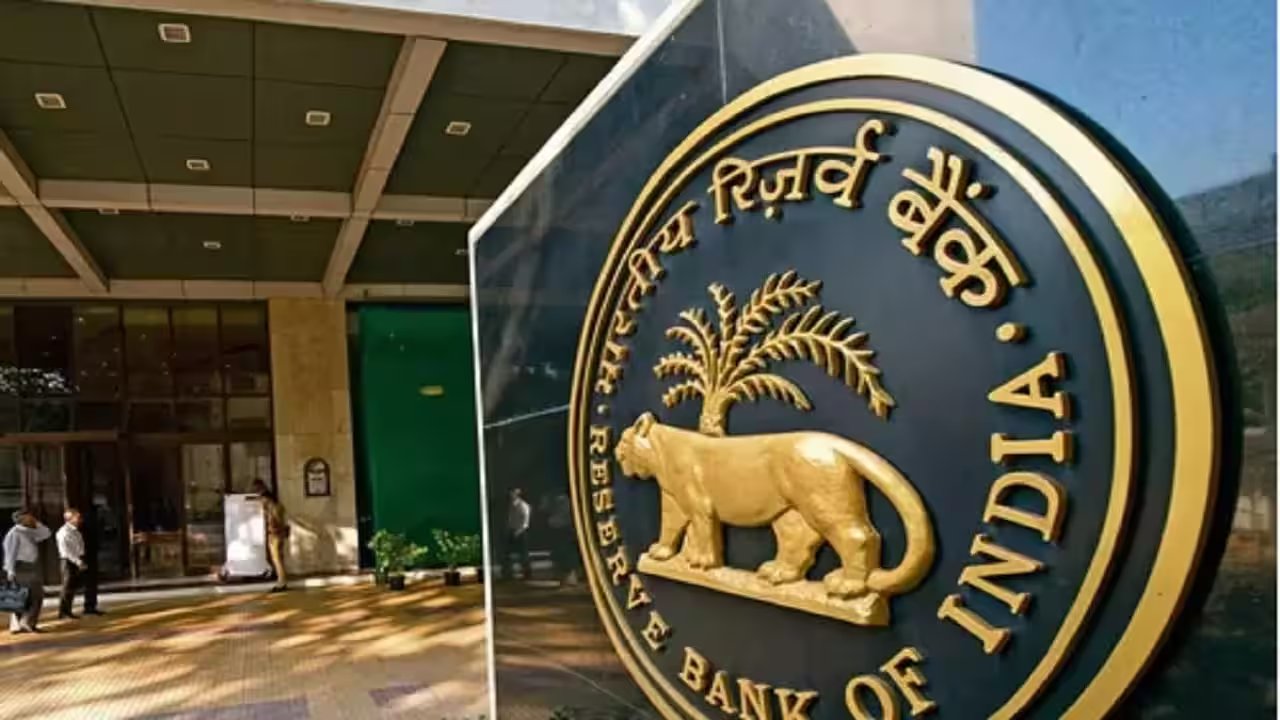
The Reserve Bank of India is set to snap its four-cut easing streak with a 25-basis-point repo rate increase, a move bankers and economists overwhelmingly anticipate this week. The last hike landed in February 2023, capping a tightening phase triggered by post-Ukraine inflation. Now, the policy rate jumps from 5.25% to 5.5%, signaling a definitive turn toward monetary tightening.
The shift comes as inflation risks from the West Asia conflict and weak farm output have eroded the RBI’s earlier bet on structural resilience. Yes Bank chief economist Indranil Pan warns that Q2 inflation could breach 6%, far exceeding the RBI’s 4.7% forecast. Yet growth remains robust enough to absorb the shock, keeping the policy stance neutral rather than aggressive.
Market reactions will likely hit bank lending rates before bond yields. $127 billion in FCNR(B) flows have flooded liquidity, pushing overnight rates 45bp below the policy rate. SBI chairman CS Setty noted that corporates may pivot to bond markets if bank pricing tightens, citing flexible access to market funding. "Our in-house view is that there could be a repo rate hike, but we do not expect it to materially impact credit growth," Setty told TOI.
IndusInd Bank’s Gaurav Kapur assigns a 90% probability to this October move. Aastha Gudwani, India chief economist, predicts a terminal rate of 5.75% with front-loaded hikes in Q4. Axis Capital’s Prateek Ancha anticipates a larger 50bp cumulative tightening by December, driven by Fed signals and dot plot shifts.
The RBI’s immediate focus remains draining surplus liquidity to align overnight rates with policy. For borrowers, the era of cheap money is over. The next policy decision will hinge on whether inflation broadens further or stabilizes as input costs settle.