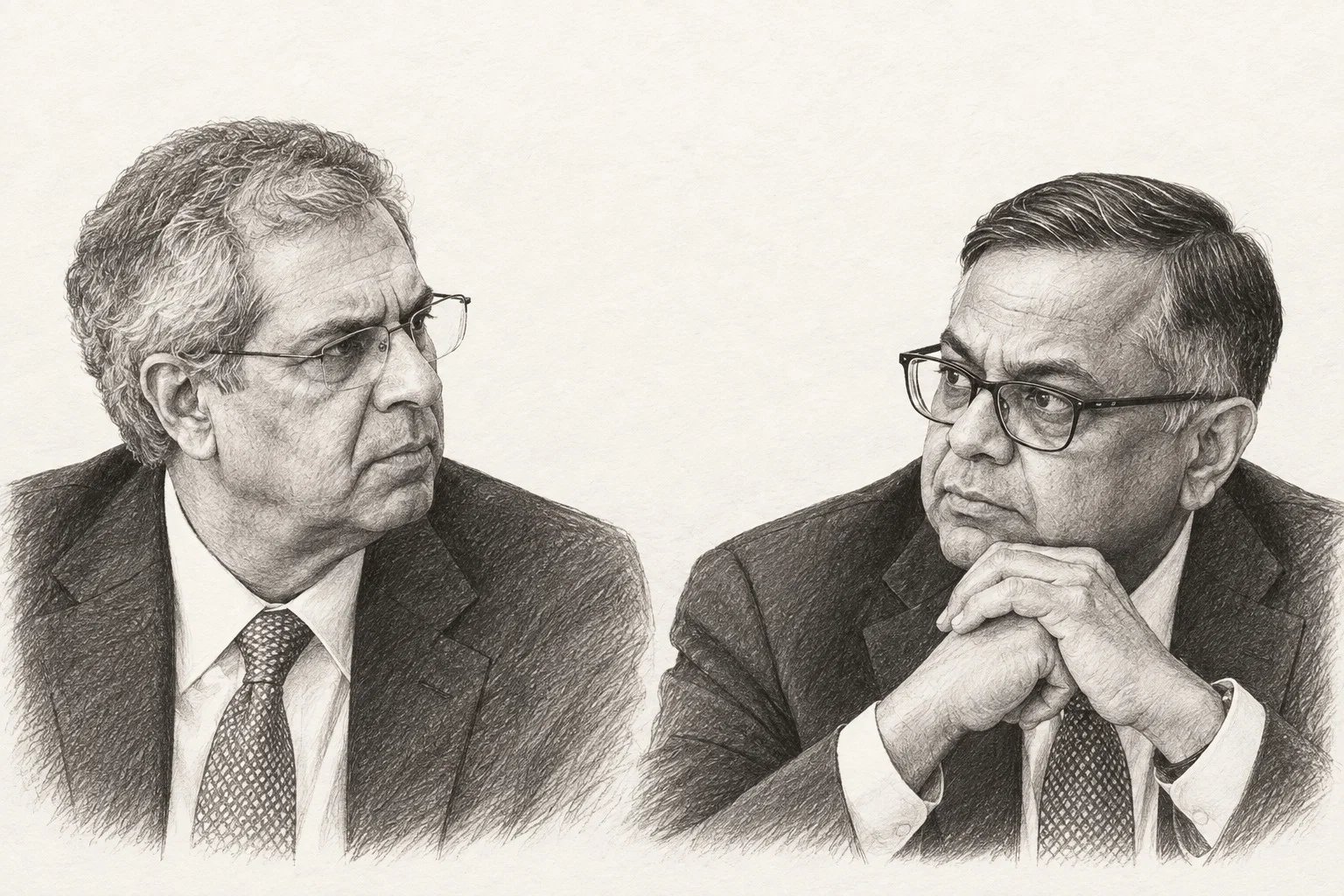
The board resolution that had seen N Chandrasekaran named executive chairman for a further five years is now declared void by Tata Trusts, the 66‑percent owner of Tata Sons. The Trusts argue that the reappointment violated the Articles of Association because only four directors voted in favor while the Trusts’ nominee, Noel Tata, opposed it.
The dispute hinges on a communication Chandrasekaran sent on August 12, 2026, announcing he would not seek another term when his tenure ends on February 20, 2027. The Trusts say that decision was “freely taken” and “clearly expressed”, and that it was made public without prior consultation with shareholders, a move they claim has irreversible market consequences.
A legal opinion from former Chief Justice DY Chandrachud, submitted to the board, was apparently ignored. The Trusts maintain that both nominee directors must be present and vote in favor for a legitimate appointment, a rule that was not followed in the September 17 meeting.
For Tata Motors, the implications are immediate. The company’s product roadmap, especially the upcoming electric‑vehicle lineup, may face delays if the leadership vacuum extends. Investors will be watching the formation of a Selection Committee, as the Trusts have demanded that it adhere strictly to the Articles.
The Trusts have pledged to proceed with an orderly succession process, but the timeline remains unclear. If the Committee stalls, Tata Motors could experience a leadership gap that may ripple through its supply chain and market strategy.
Industry analysts warn that any leadership uncertainty could weaken Tata Motors’ position against rivals like Mahindra and Hyundai, especially as the EV segment races ahead. The next few weeks will be crucial to see whether the Trusts can enforce a swift appointment and keep the company’s momentum.