The first thing you need to know is the price: the Bayon will start between ₹8 lakh and ₹14 lakh, a spread that puts it squarely between the compact Venue and the midsize Creta. That means the budget‑savvy buyer gets a new model without breaking the bank.
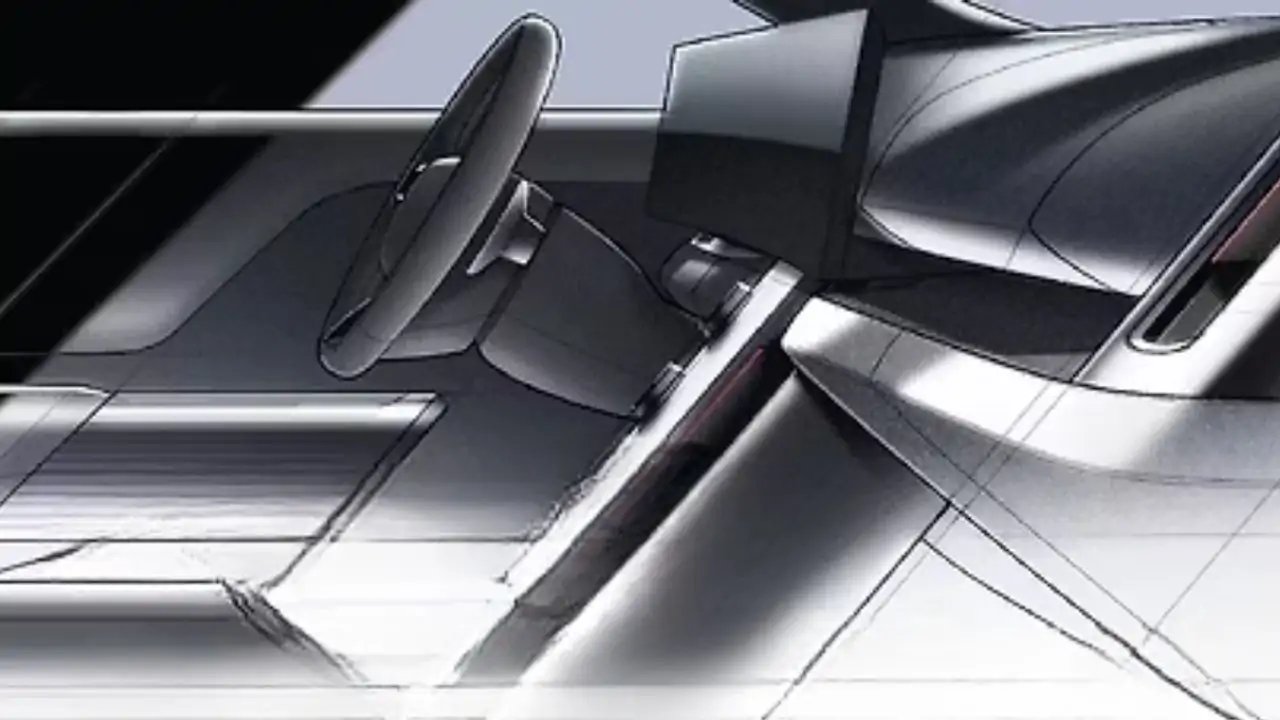
Inside, the Bayon is not a copy‑paste of any current Hyundai SUV. The dashboard hosts a dual‑screen layout – one for the infotainment system and another for the driver’s instruments – a setup that the next‑gen i20 already flaunts. A vertical AC panel runs the length of the centre console, cutting out the clutter of knobs and switches. The steering wheel has a clean four‑spoke design with a logo‑free centre, and the door handles are circular, not the usual rectangular grab.
The colour palette shifts too: instead of the dark, somber tones you see in the Creta, the Bayon’s interior leans toward light‑coloured upholstery, giving the cabin a breezy, airy feel. This lighter theme is a deliberate move to make the space feel bigger, especially for families who value an open atmosphere.
On the mechanical side, nothing concrete has been revealed yet. The most likely powertrain is the standard 1.5‑litre naturally aspirated petrol unit that powers the i20 and other models. A CNG variant is also expected, but a diesel option looks doubtful based on current reports.
The launch window is still a bit fuzzy, but insiders say the Bayon will hit showrooms sometime in 2026, with a staggered rollout across major cities. Keep an eye on the next set of specs – especially the exact price, power output and battery range – once Hyundai starts teasing them. That will tell you whether the Bayon is a sweet spot between the economical Venue and the bigger, pricier Creta.