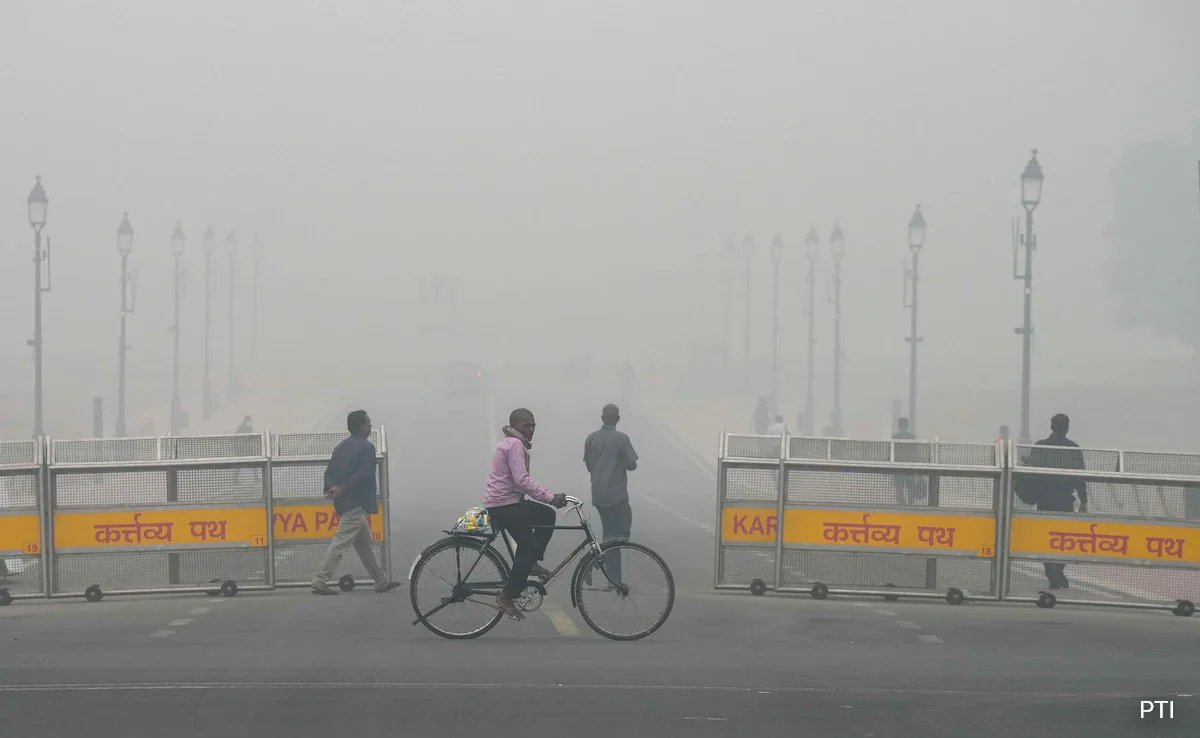
The Central Pollution Control Board (CPCB) confirms the shift. Delhi’s AQI, currently sitting at 179 in the 'moderate' band, is expected to cross the 201 threshold by Wednesday. It will likely hold there through Friday. This isn't a sudden spike; it’s a predictable pattern driven by factors outside the city limits.
The culprit? Stubble burning. The ICAR-Indian Agricultural Research Institute tracked 19 fire events earlier this month across six monitored states. Punjab and Uttar Pradesh accounted for seven each. Madhya Pradesh reported four, and Haryana had one. Farmers clear crop residue to prepare fields for wheat and vegetables, sending fine particulate matter (PM2.5) drifting toward the capital.
Temperature drops amplify the problem. Cooler air traps pollutants closer to the ground. Safdarjung station recorded a minimum of 17.7 degrees Celsius, while Palam dipped to 17.3 degrees. These below-normal temperatures inhibit vertical mixing, keeping the smog layer thick and stagnant.
For readers, this means heightened respiratory stress. PM2.5 particles penetrate deep into the lungs, triggering inflammation. If you have asthma, chronic obstructive pulmonary disease (COPD), or heart issues, limit prolonged outdoor exertion. Wear an N95 mask if you must commute. Keep windows closed during peak pollution hours and use air purifiers indoors.
The last time Delhi hit 'poor' air quality was July 13, when the AQI reached 246. This new episode underscores the seasonal link between agricultural practices and urban health. Monitor real-time AQI updates from the CPCB or the Air Quality Early Warning System to plan your day.