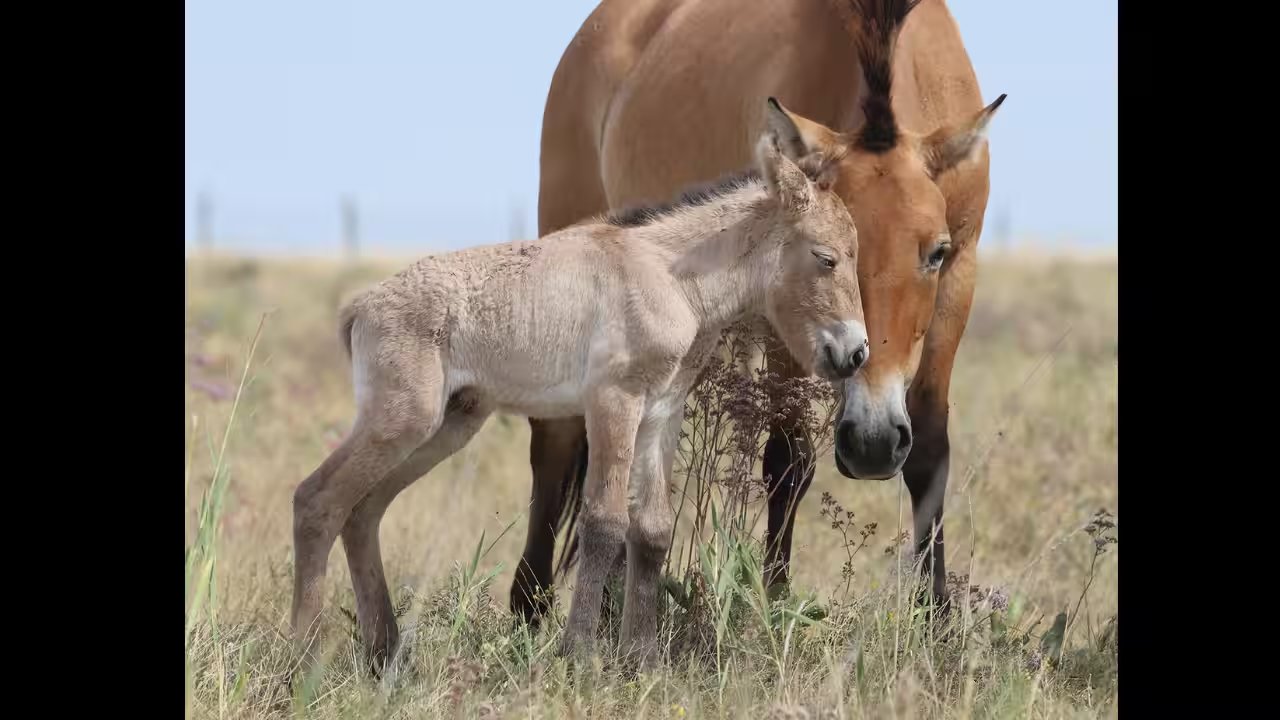
Albert Salemgareyev drove 12 hours from Astana to the Alibi Reintroduction Centre in the dead‑hour of 22 August to find a trembling foal beside its mother, Tessa, the seven‑year‑old mare that had just given birth.
Tessa’s foal, a male, is the first Przewalski’s to be born on Kazakhstan’s grasslands since the last wild herd vanished in 1969. Eight days later, Umbra, a six‑year‑old mare, delivered a second male; both share a father, the stallion Zorro, who died in 2025.
The centre, a fenced 56‑hectare enclosure, now holds the foals while staff monitor their growth: standing and drinking within 30 minutes, attempting to gallop a few days later, nearly doubling in size by week three. The next test will occur when a new stallion replaces Zorro, a move scheduled for 2027 to ensure natural mating dynamics.
UNEP’s Susan Gardner praised the project, saying the community‑based restoration of the Altyn Dala steppe—75,000 sq km rehabilitated since 2005—has turned a near‑collapse into a conservation success. She added that the birth signals a tangible step toward a self‑sustaining wild population.
Since 2024, 22 Przewalski’s horses have been airlifted from European zoos to Kazakhstan, and officials target 40 horses by 2029. The plan is to release the herd into the open steppe in May 2027, after confirming the new stallion’s integration and the foals’ readiness.