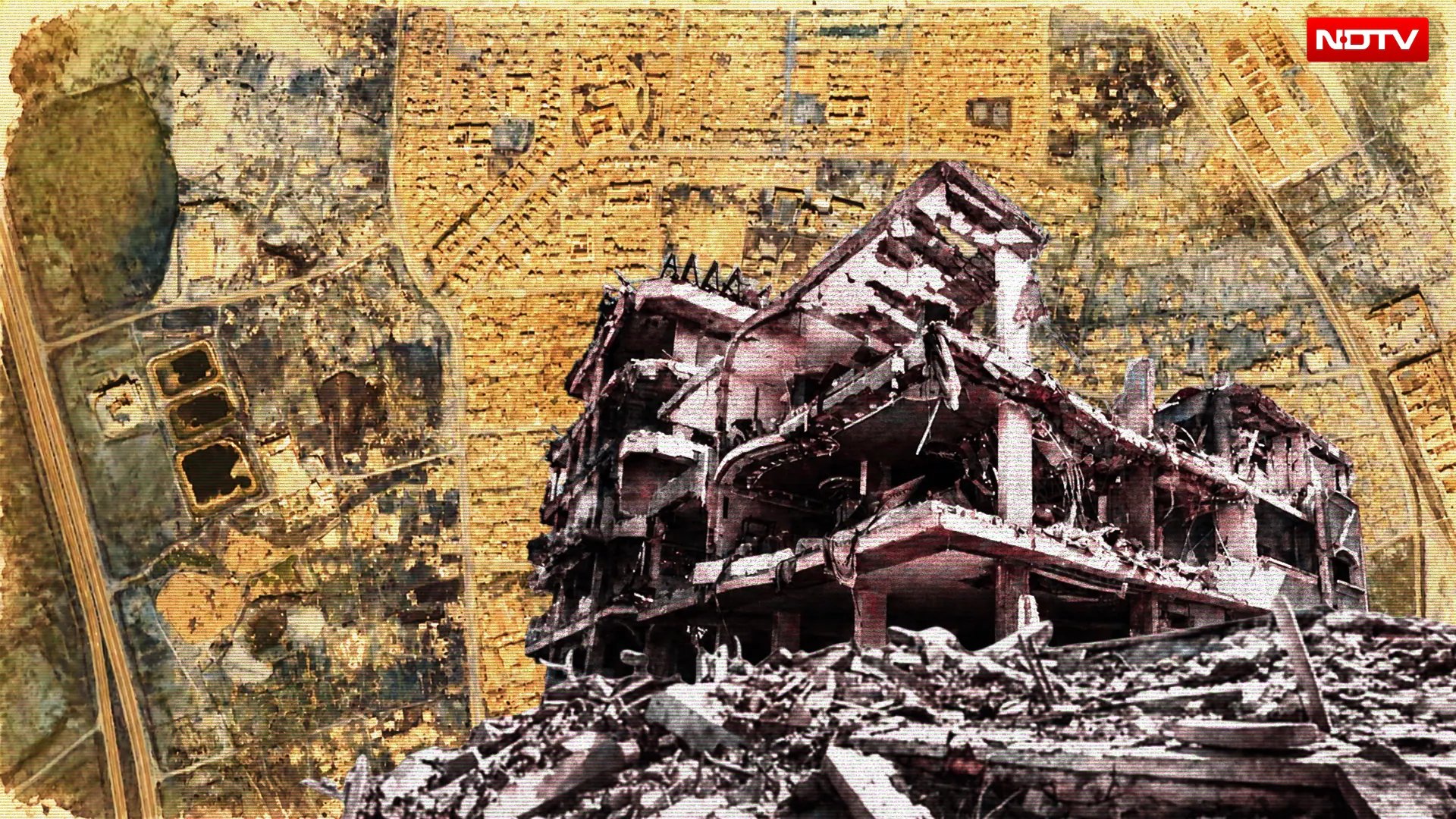
Life in Gaza has shifted from a struggle for physical survival to a battle against total psychological erasure. For the past three years, residents have operated under a regime of constant impermanence. The home. The job. The friends. All of it exists now only in the mind, stripped of physical anchor.
This is not just displacement. It is the systematic dismantling of the self. Residents describe a daily reality where grief functions as a test of control. If the world takes away the tangible—brick, mortar, livelihood—what remains is the internal architecture of the person. That architecture is crumbling.
The concept of a 'former self' has become a relic. Three years of horror have rewritten the baseline for normalcy. There is no return to the status quo because the status quo no longer exists. The familiar life is a memory, not a path.
This psychological fragmentation is the latest casualty of the war. It is invisible to satellite imagery but palpable in the streets. The next phase of this crisis will not be measured in casualties alone, but in the extent to which a generation can reconstruct a sense of continuity from nothing.