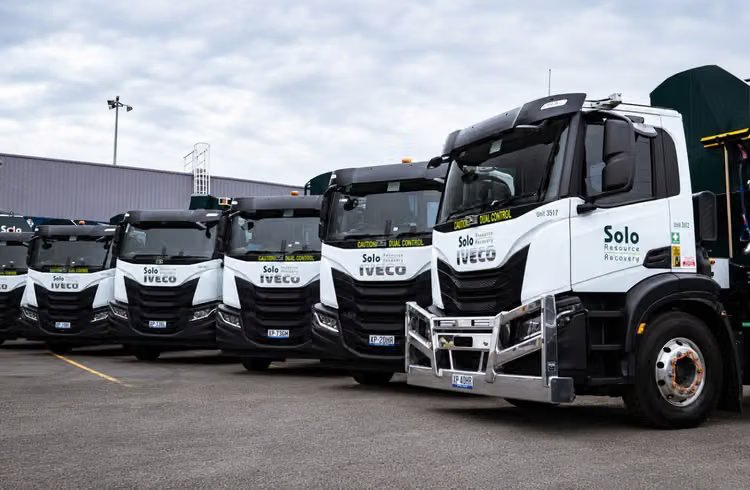
Tata Motors’ takeover of Iveco has unlocked a €1.5 billion annual R&D pot—meaning the next generation of Tata‑Iveco commercial trucks could arrive with cleaner powertrains and lower running costs. That €1.5 billion will be channeled into zero‑emission drivetrains, alternative fuels, and software‑defined architectures, giving operators a tech edge.
In the global arena, giants like Daimler and Traton pour €2‑3 billion each into R&D. Tata‑Iveco’s €1.5 billion is smaller, but will be spent at a higher intensity—over 7% of turnover—compared to the 4‑6% that their competitors spend. The partnership also brings FPT Industrial’s electric axle line, hydrogen combustion units, and stoichiometric biomethane engines into the mix.
India’s freight sector faces tightening emissions rules that push operators from diesel to CNG, LNG, and battery electric. The joint R&D will help Tata‑Iveco deliver fleets that meet those mandates faster and at a lower price. With a 55% share of the heavy‑truck market, Tata is set to lead the transition.
The first modular electric‑axle trucks are slated to appear in the Pune‑Bangalore development hubs by late 2026. Customers in major metros like Mumbai, Delhi, and Chennai could see prototypes soon, with commercial deliveries expected in 2028. The earlier sale of the defense arm cleared regulatory hurdles, speeding up the rollout.
For operators, the promise is a cleaner, cheaper, and more technologically advanced fleet, backed by a €1.5 billion R&D engine. Watch for the first production units in 2028 and the rollout of software‑defined features that will cut maintenance costs.