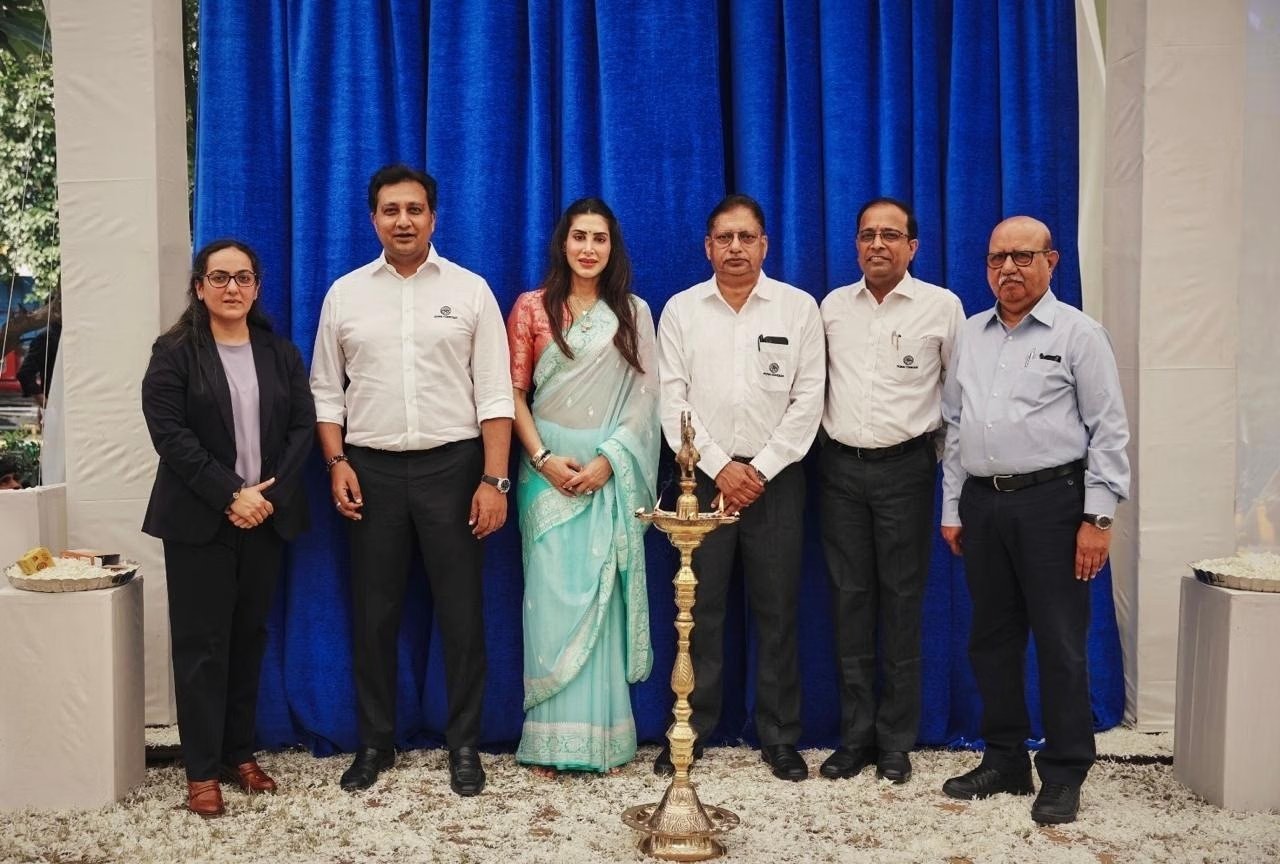
Sona Comstar’s new 29‑product line of EV powertrains—ranging from traction motors to advanced sensors—was put on display during a tribute to its late founder, Sunjay Kapur. For buyers, this means more Indian‑made parts that can slot into tomorrow’s electric cars without the price premium of overseas imports.
The company’s pivot from a single bevel‑gear manufacturer to a full‑spectrum mobility supplier began in 2018, when Kapur championed early EV research. Over the last five years, Sona has rolled out traction motors, inverter modules, and a suite of sensor systems, all designed to integrate seamlessly into global vehicle platforms. The move reflects a broader trend of Indian firms moving from niche components to complete powertrain solutions.
When you compare Sona’s portfolio to giants like Bosch and Delphi, the gap is narrowing. While Bosch still leads with over 100 EV‑centric products, Sona’s 29‑item catalogue covers all core drivetrain functions, giving it a competitive edge in the domestic market where cost and supply chain reliability matter most.
Policy shifts are also in play. The Indian government’s 2026 EV mandate pushes manufacturers to source at least 30% of critical components locally. Sona’s expanding line of powertrain parts dovetails perfectly with this requirement, potentially reducing import duties and shielding buyers from foreign exchange volatility.
The company plans to roll out its new components across major manufacturing hubs—Delhi, Chennai, and Pune—by the third quarter of 2027. Buyers can expect to see these parts in the next generation of Indian‑made electric vehicles, giving them a tangible advantage over imported alternatives. Keep an eye on how Sona’s supply chain partnerships evolve, as they’ll dictate the pace at which these parts reach the showroom floor.