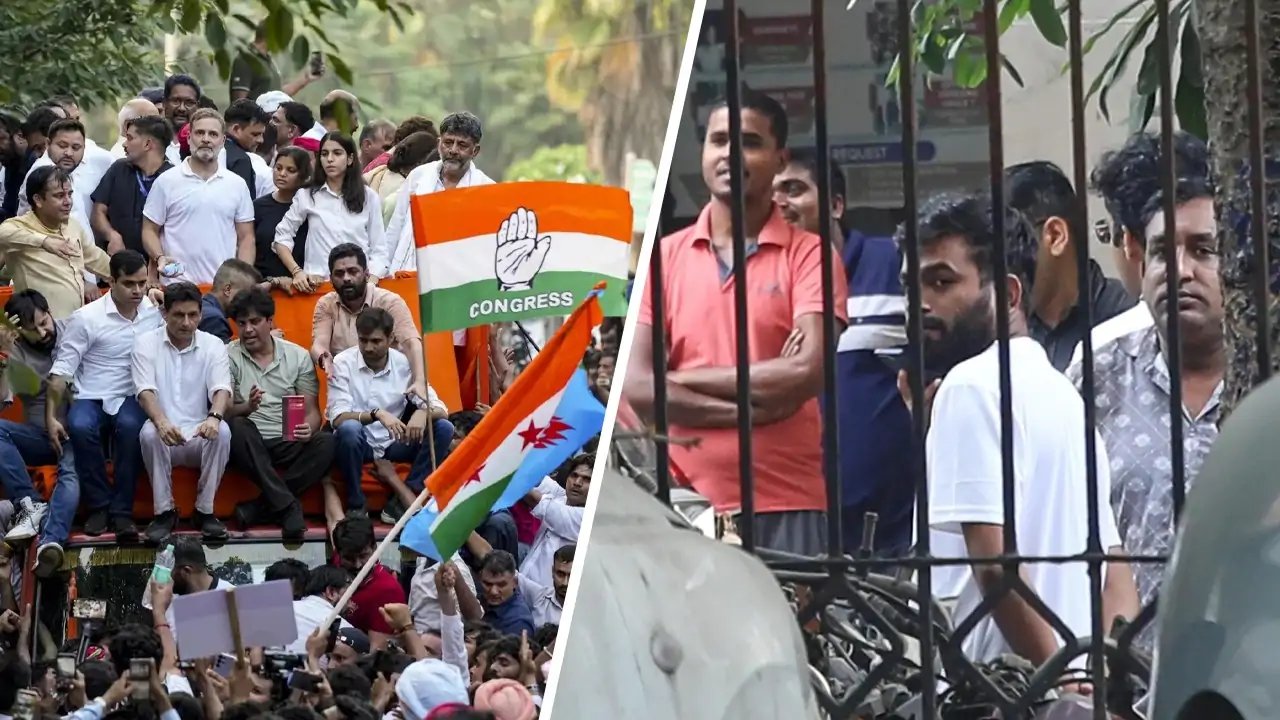
Abhijeet Dipke, the Cockroach Janta Party’s founder, posted on X this Tuesday that Delhi’s differential handling of protests is sowing distrust. He said the government allowed the CJP to protest on October 10 yet meted out a crackdown that the INDIA bloc did not face on October 12. Dipke warned that such tactics could split allies who fight the same cause.
The October 10 demonstration unfolded in Delhi’s capital, where more than 7,000 people were detained by police. CJP leaders Abhijeet Dipke, Saurav Das and Ashutosh Ranka were among those arrested upon arrival. The executive magistrate court released them the following day, but the police had already disrupted the protest.
On Monday, opposition leaders converged at the Constitution Club and marched in air‑conditioned buses toward the Supreme Court, gathering at the Barakhamba Road junction. From there, they proceeded to file a joint petition alleging large‑scale voter deletions and irregularities in the Special Intensive Revision of electoral rolls. The petition seeks a court investigation into the integrity of the vote‑roll.
Dipke’s post arrives as the country heads toward a national election scheduled for 2026. He urged supporters to look beyond conspiracy theories that label his party as a BJP puppet, emphasizing the need for a united front against the Chief Election Commissioner Gyanesh Kumar and the institutions protecting him. The CJP’s experience suggests that the state may use varied repression to fracture opposition.
The Supreme Court is slated to review the petition next week, a move that could set a legal precedent on electoral roll audits. Meanwhile, the government’s selective enforcement of protest laws is likely to intensify scrutiny from civil‑society groups and foreign observers. The outcome of the court case will influence how opposition parties coordinate their strategies in the run‑up to the elections.