The Maharashtra Control of Organized Crime Act, introduced in 1999 after the TADA law lapsed, grants police the power to detain suspects for 30 days and to file charge sheets within 180 days. It also permits wiretapping and makes the accused bear the burden of proof, a stark shift from earlier norms. The legislation was a response to the rampant gang violence of the 1990s and has been invoked against a wide spectrum of offenders, from underworld dons to public officials.
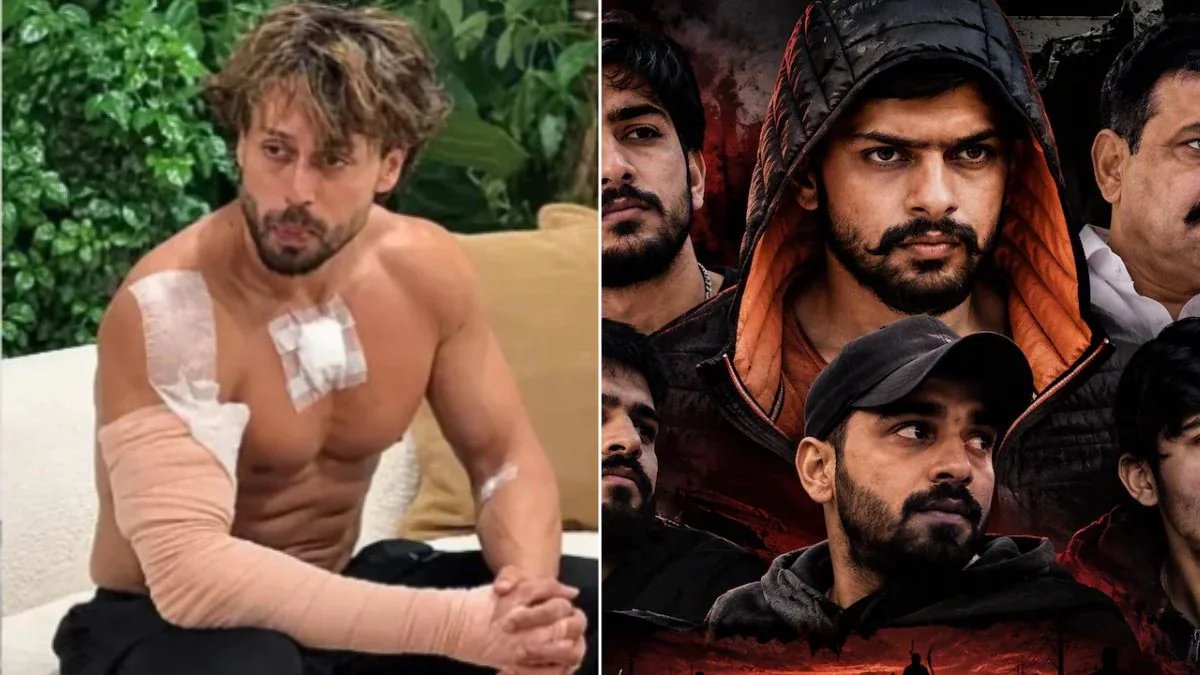
The three men, linked to the Lawrence Bishnoi gang, were apprehended after they fired at actor Tiger Shroff during a public event in Mumbai. The gang has a history of high‑profile hits, and the attempted murder was the latest escalation of their violent campaign. Police say the shooters were caught on surveillance footage before the attack could be carried out.
Mumbai Police spokesperson Anil Kumar confirmed that the suspects were booked under MCOCA on the strength of the evidence collected. The law’s provisions allow the police to keep the accused in custody for up to 30 days before filing the charge sheet, thereby curtailing any opportunity for the suspects to evade justice.
This move follows a decade‑long gap in the use of MCOCA for high‑profile cases. Earlier, the law had been used to prosecute notable figures such as the film financier Bharat Shah and even a sitting judge, underscoring its reach across sectors. In this case, the court will now review the evidence and determine whether the charging documents meet the stringent standards set by the act.
Next week, the court is expected to hear the preliminary hearing, after which the prosecution will have until the end of the 180‑day window to submit the formal chargesheet. The outcome will set a precedent for how MCOCA is applied to celebrity‑related violent crimes in the future.