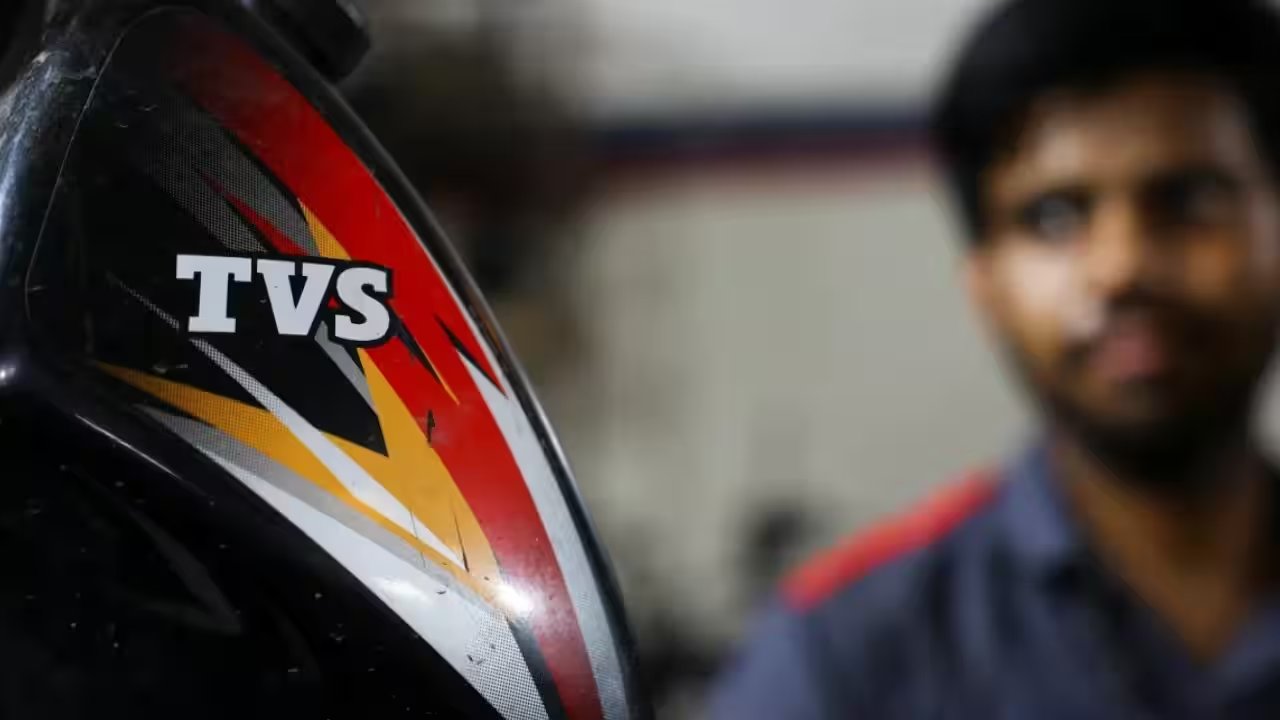
TVS Motor’s latest price increase is a 3% bump that will affect every stall where the Apache and Ntorq roll out. For the average buyer, that translates to a few thousand rupees more on the sticker, but the change is still marginal compared to last year’s jump.
Industry analysts now see growth in the two‑wheeler segment settling into single‑digit territory for Oct‑Dec. A high base from the strong first half and rising material costs are the main culprits. Even with the 3% hike, TVS still projects a 10–12% rise in sales volume for the year.
The price hike came in small increments at the start of Q3, a tactic TVS says keeps the brand competitive while covering cost pressures. The company will re‑evaluate the need for further increases after Diwali, when consumer spending peaks and new models are slated to hit the market.
Hero MotoCorp and Bajaj Auto have mirrored the trend, each raising prices by 2‑4% last month. In contrast, the EV makers are grappling with a 5% duty increase on battery packs, a factor that could push electric scooter prices higher in the coming months.
From a policy angle, the new duty on batteries is part of the government’s push to boost EV adoption. While the hike on combustion models like the Apache is modest, the overall cost of ownership could rise as fuel prices climb and maintenance costs adjust.
Looking ahead, TVS plans to introduce the next‑gen Ntorq with a larger battery pack in January, and the revamped Apache is slated for the March launch window. Buyers should watch for the post‑Diwali price review and the timing of these new models to gauge the best entry point.