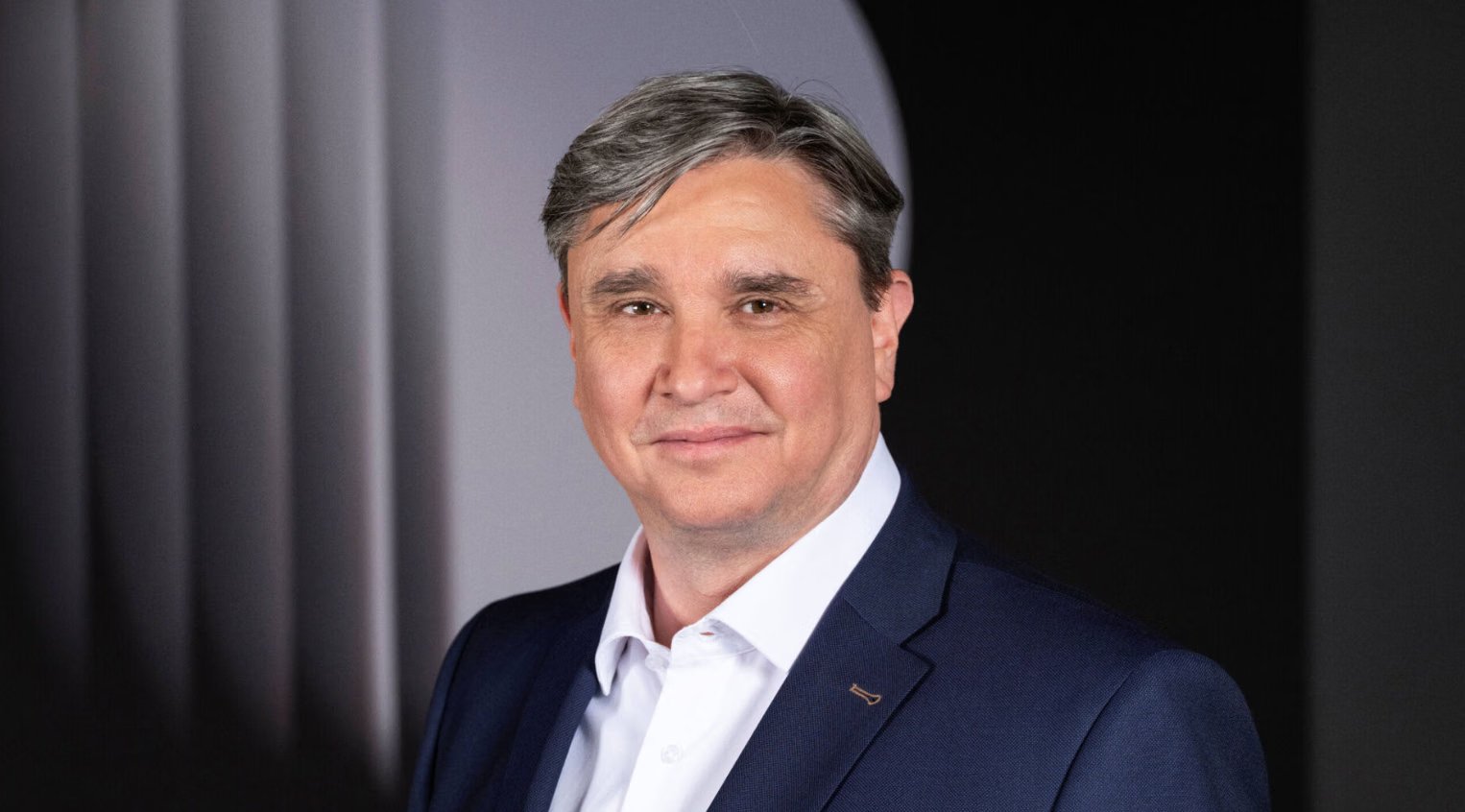
Audi’s new top‑level hire takes effect on Nov 1, 2026, when Thomas Fuhr will assume the CEO mantle at the Neuburg plant in southern Germany.
Fuhr’s arrival splits leadership from technical design—a move that lets Stefan Dreyer, the current CTO, push the power unit’s performance while Fuhr brings his 30‑year pedigree in high‑performance powertrains to the table.
The Neuburg facility, where the power unit is engineered, sits on 3,000 square metres of dedicated space and hosts more than 20 engine and component test benches. It’s the nerve centre for the hybrid drivetrain that will power Audi’s F1 cars from 2026 onward.
Audi’s F1 arm, set up in 2022, is on a collision course with long‑time rivals Mercedes‑AMG, Ferrari, and Red Bull. All three have already produced power units that routinely exceed 1000 hp and push the limits of hybrid efficiency—Audi’s new CEO will need to keep the team competitive.
For buyers, the ripple effect is clear: the expertise honed in the high‑stress, high‑gain environment of Formula 1 often filters back into road‑legal vehicles, especially in battery‑management, lightweight construction, and power‑train integration. Audi’s focus on the Neuburg plant signals that the brand is serious about translating racing gains into next‑gen electric or hybrid cars.
The Audi Revolut team will launch its first season in 2026, with the power unit already under development. Fuhr’s first priority is to streamline operations across Neuburg, Hinwil and the UK Technology Centre, ensuring a seamless hand‑off of technology to the racing squad.
Watch for the official unveiling of the power unit in the coming months, and keep an eye on how Audi’s investment in Neuburg translates into performance benchmarks that could redefine the boundaries of automotive engineering.