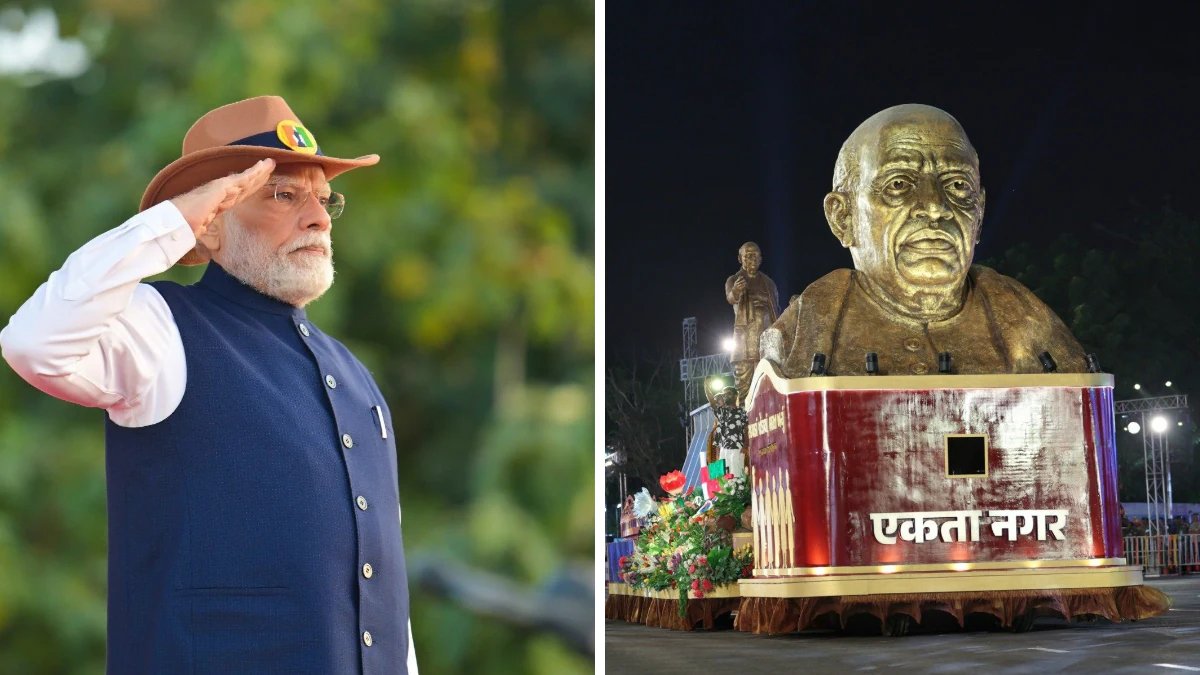
New Delhi. Prime Minister Narendra Modi declared on Saturday that the opposition has mutated into an "obstructive force"—Avrodh Paksh in Hindi—bent on tearing apart the nation’s constitutional dignity. Addressing the Unity Day congregation in Gujarat, the PM rejected the democratic norm of constructive dissent. He argued that current opposition tactics are not about policy challenges but about "vicious plots" to instigate conflict among Indians.
The rhetoric sharpened when Modi pivoted to foreign affairs, alluding directly to Congress leader Rahul Gandhi. "Who is secretly meeting whom abroad? Which anti-India forces are supporting them?" he asked, without naming names. The PM accused these leaders of speaking the language of India’s enemies, a charge that lands hard given the intense scrutiny on Gandhi’s recent international itineraries.
Modi didn’t stop at domestic politics. He turned his attention to the digital sphere, branding social media a weapon used to tarnish India’s global image. "Rumors are being spread," he warned, urging a united national response against what he described as a coordinated misinformation campaign.
To counter the narrative of economic failure, Modi leaned on World Bank statistics. He claimed 500 million Indians have overcome extreme poverty in the last 10-12 years, crediting free foodgrains, permanent housing, and clean fuel access. "Votes were sought in the name of removing poverty, but those who raised 'Garibi Hatao' became richer," he said, a direct jab at the Congress party’s historical slogan.
The PM also declared the elimination of Naxalism, stating his promise to free the country from Maoism has been fulfilled. Yet, he added, the threat of "dimagi Naxals"—mental insurgents—remains high. The next phase of this political battle will likely unfold in the coming weeks as both sides lock horns over economic data and foreign policy stances.