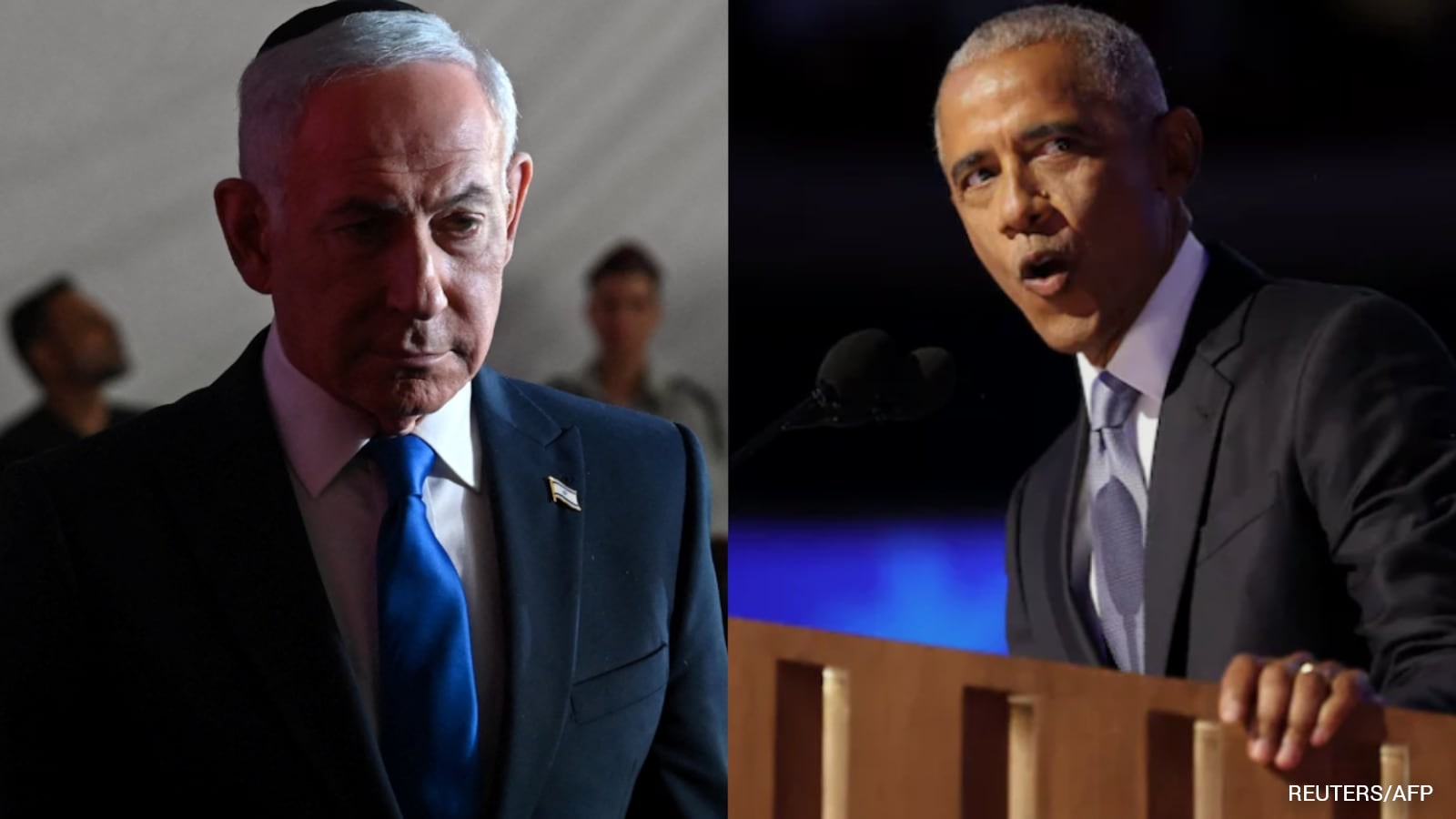
Obama’s remarks at a Belfast rally on Tuesday, 28 October, were scathing. He said Israel had "ceded moral high ground" in its treatment of Palestinians and warned that the country’s technological superiority could backfire if it continued to act without restraint.
Netanyahu reacted immediately, posting a video that quoted Obama’s statements and dismissed them as "regrettable." He reminded viewers that Israel’s claim to the land is rooted in historical ties, citing the biblical name Judea for the southern West Bank, and asserted that the country is not a colonial occupier.
The exchange is part of a long‑standing rift that began in 2009 when the two leaders clashed over U.S. diplomacy with Iran and the broader Middle East. Netanyahu, who has long aligned with former U.S. President Donald Trump, has used Obama’s criticism to rally domestic support, accusing foreign actors of trying to undermine his leadership.
With the snap election set for October 27, Netanyahu will face a tight race that could redefine Israeli politics. Voters in Jerusalem and Tel Aviv are already debating whether the president’s stance on foreign criticism will influence their ballots, while international observers warn that the outcome could shift regional alliances. Meanwhile, a Palestinian family in Gaza’s Khan Younis district expressed hope that any change in leadership might bring a more balanced approach to the conflict.