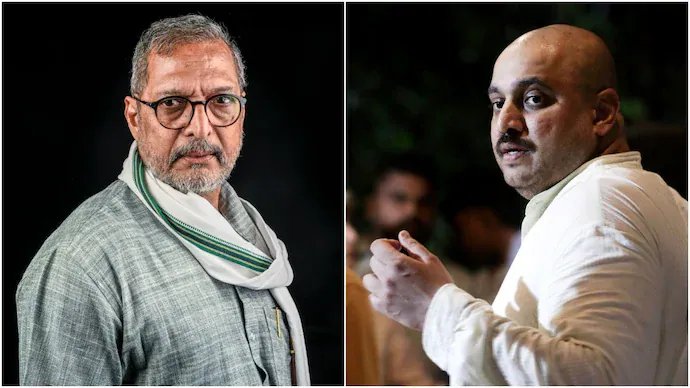
The night was thick with grief, yet the air smelled of incense and the distant hum of a marching band—state honours streamed in like a poorly timed encore. At 11:30 pm, Donje farmhouse became a stage for a funeral that felt almost cinematic, with a 21‑gun salute echoing through the hills.
And it wasn’t just the pomp that drew crowds; more than 1,000 fans and political heavyweights—including Deputy Chief Ministers Eknath Shinde and Sunetra Pawar—lined the path, their chants of "Nana Patekar amar rahe!" turning the courtyard into a living chorus.
But the real story unfolded after the last rites. “We were in Goa, and his mortal remains were to be brought to the farmhouse,” Malhar told ANI, the clock ticking relentlessly. “We expected them earlier, but the transport took longer. By the time we got there, the day was gone—so we went ahead with the cremation tonight.”
The delayed arrival left the family no choice but to break the traditional daylight rule, a decision that sparked whispers but was defended as a practical necessity. Yet the ceremony retained its dignity: the body draped in the tricolour, a brass band in full regalia, and a procession that moved with the solemnity of a film’s final scene.
Beyond the ritual, Malhar spoke of Nana’s enduring mission—his Naam Foundation, the water‑conservation projects, and the rural empowerment initiatives that continue to ripple through Maharashtra’s drought‑hit regions. He said, “A person like Nana Saheb never truly leaves us; through their work, they become immortal.”
As the last fire crackled, fans lingered, exchanging stories of Nana’s unforgettable roles and the man behind the screen. The night ended not with silence but with a chorus of memories, promising that the legacy of a legend will keep playing on the silver screen of life.