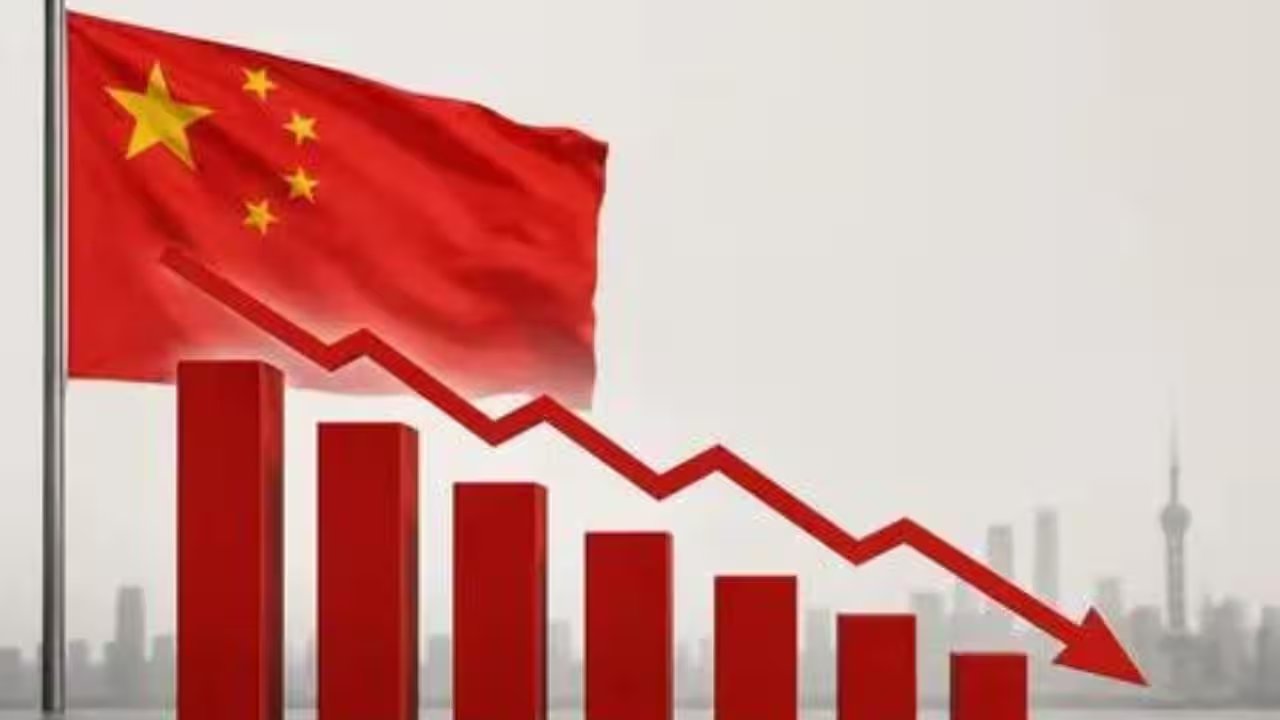
Beijing's economy accelerated to a 4.5% growth rate in the July-September quarter, official data confirmed on Monday. That figure beats the 4.3% expansion recorded in the previous quarter, which had been the slowest pace in over three years. The jump places the nation closer to its full-year target of 4.5%-5%, a range set lower than last year's 5% performance.
The recovery is entirely export-driven. Domestic demand remains lethargic, weighed down by a property market downturn that has eroded household wealth and pushed consumers to save rather than spend. Meanwhile, goods are flooding out. China is on track to smash last year's record global trade surplus of $1.2 trillion, with exports jumping 36% last month alone. The first nine months of the year already generated $938 billion in surplus.
Max Zenglein, Asia Pacific senior economist at The Conference Board, warned that the headline number masks deep structural fractures. "The overall figure conceals widening differences across industries, regions and households," he said. He noted that correcting these domestic imbalances poses a harder policy challenge for Beijing than managing external trade tensions. High-tech products, particularly semiconductors and hybrid vehicles, are leading the export charge, often subsidized by the state to maintain global competitiveness.
Trading partners are pushing back. The European Union, which runs a trade deficit with China exceeding $1.1 billion daily, is weighing further restrictions. Chinese exports to the EU rose 16% in the first nine months of the year. Although the bloc recently agreed to halve imports of Chinese hybrid vehicles over the next few years, Lynn Song, chief economist for Greater China at ING, cautioned that these trade imbalances are difficult to reverse quickly.
Eswar Prasad, a trade policy professor at Cornell University, argued that relying on foreign demand is unsustainable for the world's second-largest economy. He described China's persistent surpluses as a drag on global growth. As the year closes, policymakers face a dilemma: maintain export dominance at the risk of escalating protectionist measures worldwide, or attempt a difficult pivot toward internal consumption that the current economic climate has not yet supported.