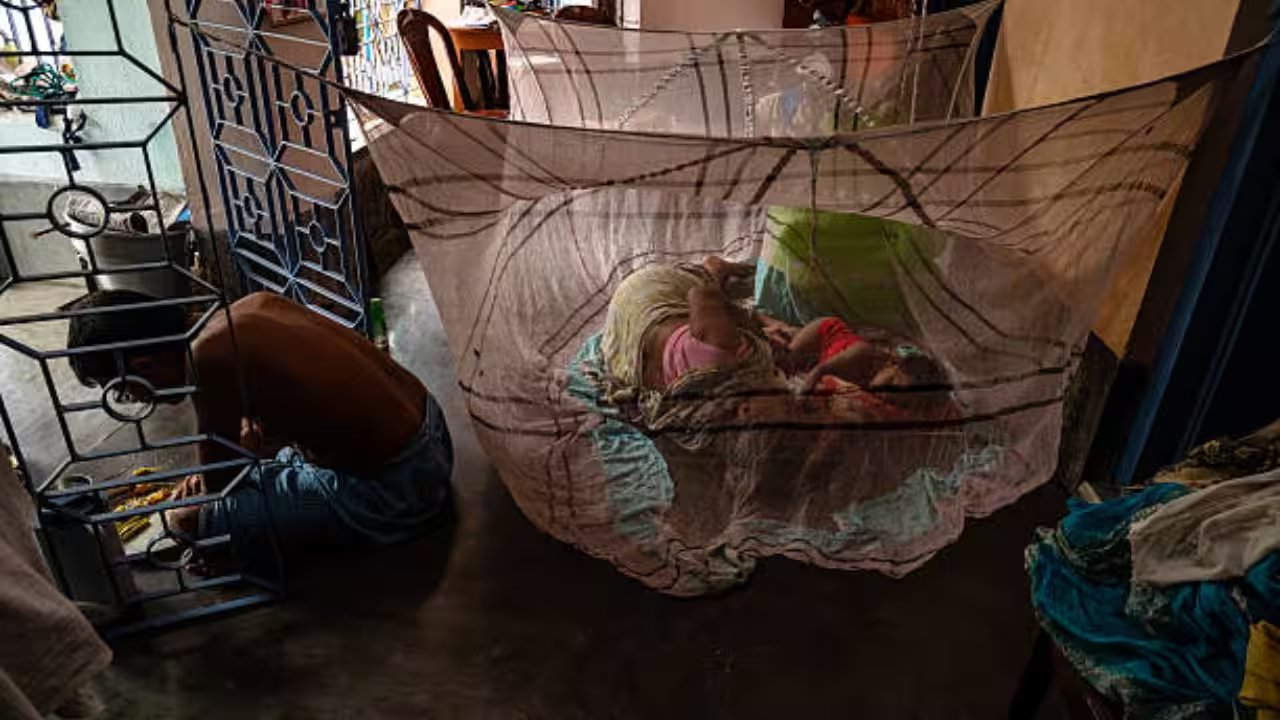
Bill Gates‑backed malaria nets are being repurposed as fishing gear across sub‑Saharan Africa, posing a new threat to fish populations.
In villages where fishing is a primary livelihood, the fine mesh of treated nets offers an inexpensive way to catch fish. Mwewa Ndefi, a fisherman in Lake Victoria’s outskirts, admitted, "I know it’s not right, but without these nets, we wouldn’t eat."
Unlike conventional nets, the ultra‑fine mesh traps juvenile fish and even fish eggs, disrupting spawning cycles. Scientists warn that removing young fish before they mature can starve local ecosystems of future generations.
The nets also carry long‑lasting insecticides meant for mosquitoes. WHO guidance cautions that residual chemicals can poison aquatic organisms, especially when nets are dragged through shallow waters.
The African Union has opened an investigation into the environmental impact of treated nets, while the Gates Foundation has pledged to explore safer alternatives and improve disposal programs.