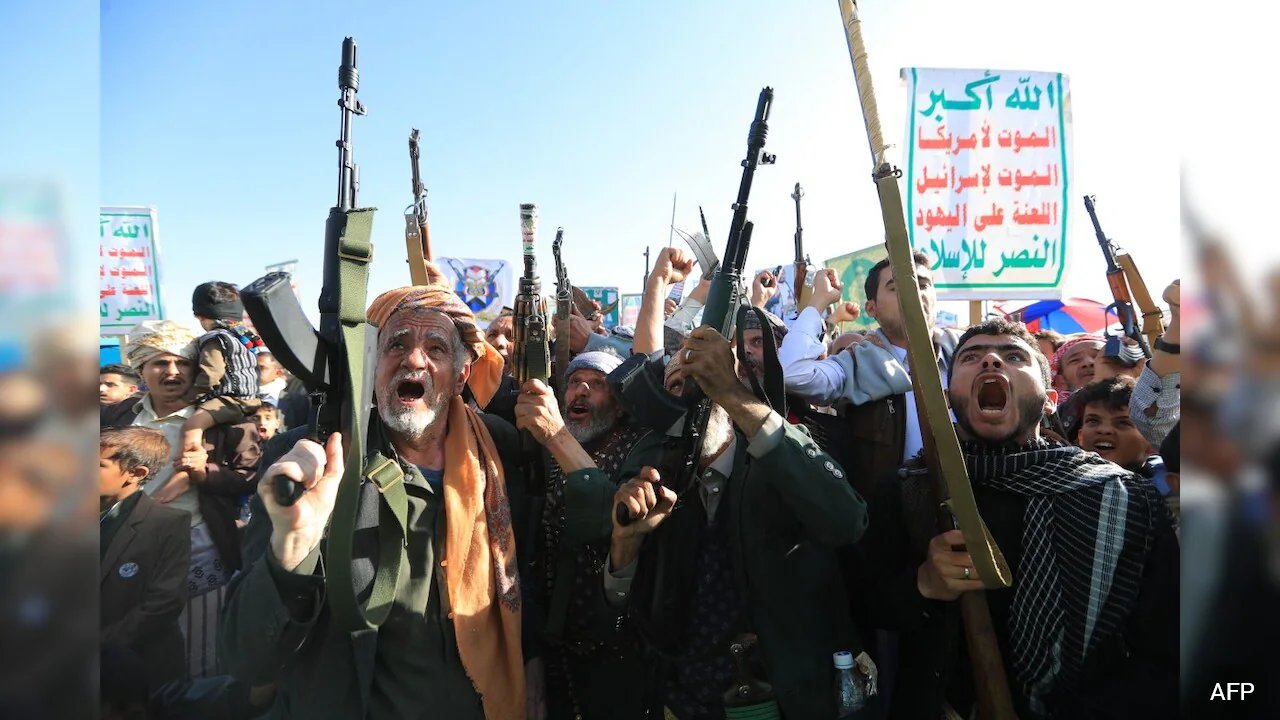
The Houthi‑driven missile barrage that shattered the airspace over King Khalid International Airport marks the most lethal strike on Saudi soil since 2013. The attack, which killed 12 and wounded over 300, underscores a renewed arms race in the Red Sea corridor.
Saudi Arabia poured $83 billion into its armed forces in 2025, buying F‑15s, Patriot batteries and THAAD missiles from the US, UK and France, yet its vast 2.2 million km² territory strains coverage.
Houthis have upgraded with medium‑range ballistic missiles like the Palestine‑2 and short‑range Burkan rockets, often layering drones and missiles to dodge air‑defence layers, a tactic analysts say can reach Israeli territory.
Thomas Juneaua, a security analyst at Ottawa University, told AFP that Riyadh’s sheer size makes a 100‑percent coverage impossible, and that the 225‑km² airport is a moving target amid continuous monitoring.
In response, the Saudi Defense Ministry convened an emergency session to reassess interceptor readiness, while foreign embassies issued evacuation advisories, underscoring the strain on the kingdom’s defensive posture.
A 12‑year‑old girl in Riyadh, whose parents work at the airport, has been told to avoid the area, a stark reminder that the war’s reach extends into everyday life.