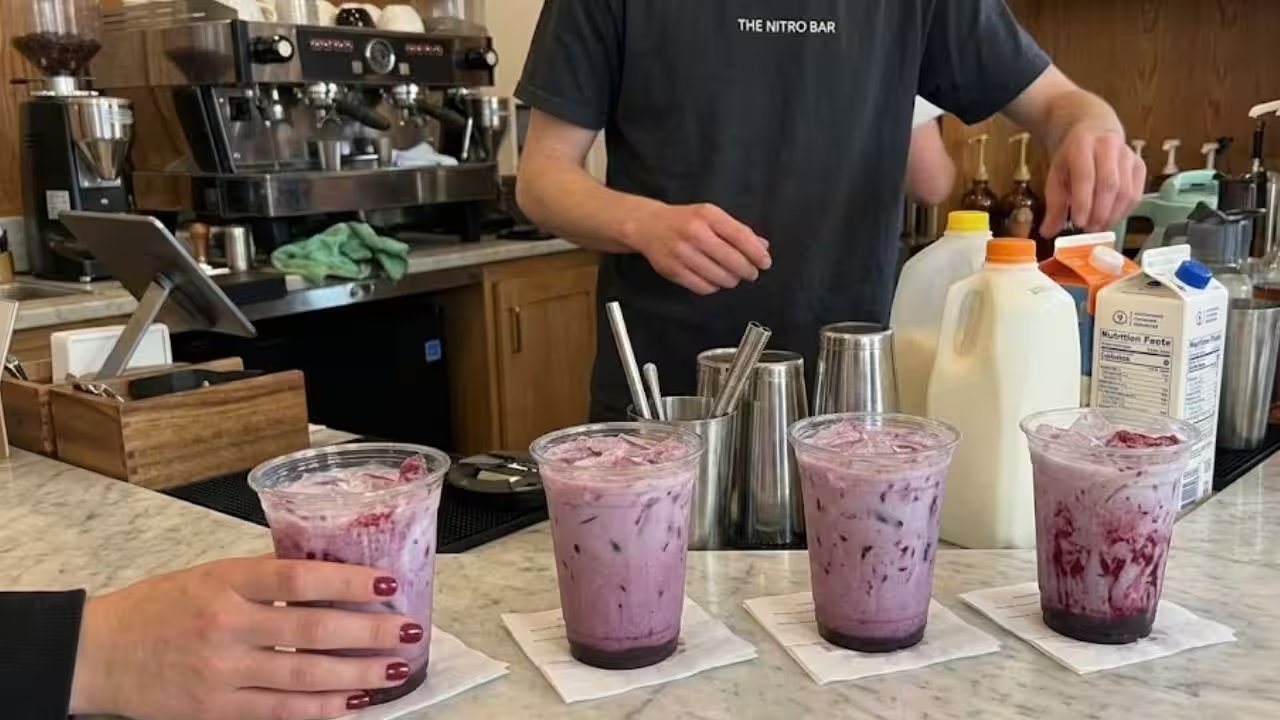
Audrey Finocchiaro and Sam Lancaster sketched the first prototype of The Nitro Bar on a scrap of plywood from her parents’ basement in 2016, financing it in full with a $1,500 credit‑card limit.
They hit the streets of Providence, Rhode Island, every weekday, setting up an eight‑hour cart that drew barely $20 to $60 a day, a figure that barely covered the cost of fresh beans.
A game‑changer came when the pair placed the cart in front of Brown University’s main quad; a line of students snatched up cold brew, and on one Friday the sales hit $600, a number that felt like a lifeline.
Within a month, two investors from a local farmers’ market offered a $150,000 infusion after reviewing their projections; the capital enabled the couple to build a licensed production facility and secure 60 wholesale accounts in their first year.
The expansion came with hard cash: the couple bought 60 kegerators at $1,200 each, leased 200 square feet in a bike shop for $400 a month, and took a Square loan at 30% interest to open their first brick‑and‑mortar storefront.
Today, The Nitro Bar pulls in $4.5 million annually, employs 80 people across three cafés, a production plant, and a mobile trailer, and boasts more than 500,000 followers on TikTok and 130,000 on Instagram—proof that a humble credit‑card start can scale into a regional coffee powerhouse.