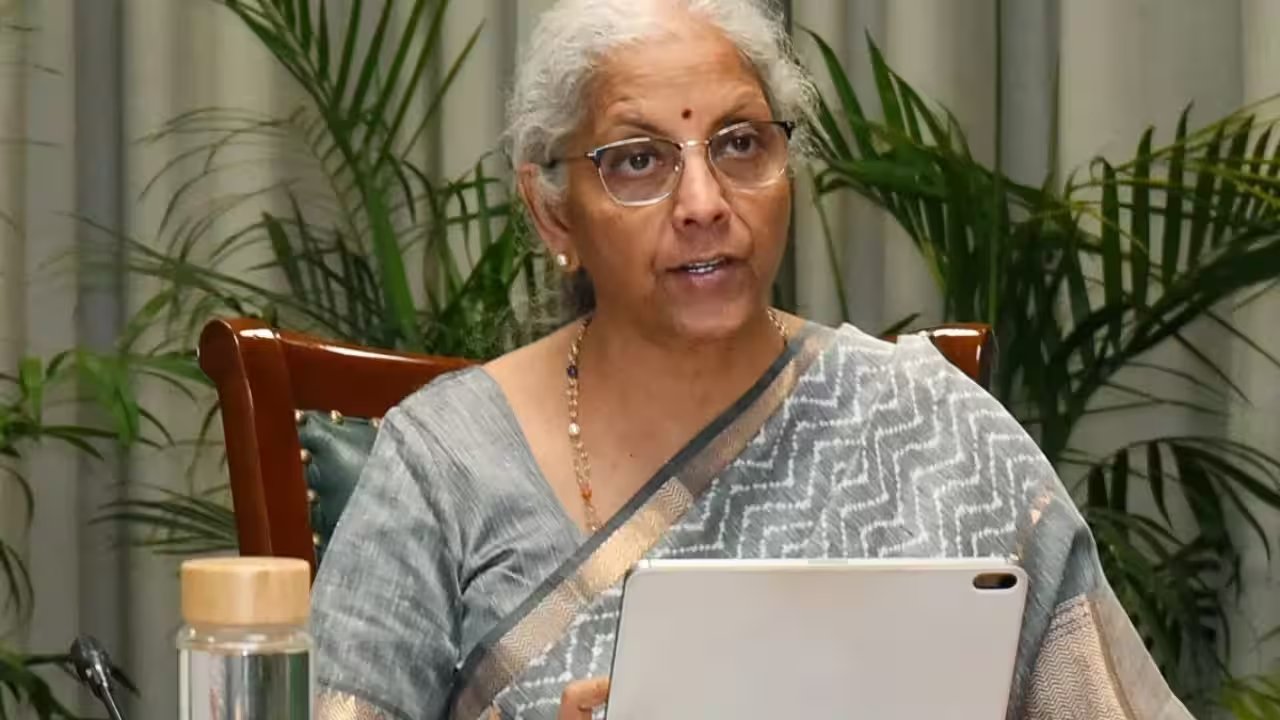
Nirmala Sitharaman did not mince words in Bangkok. Speaking at an Atlantic Council interaction on the sidelines of the IMF-World Bank annual meeting, the Finance Minister accused Beijing of using non-tariff barriers to systematically block Indian goods, a practice she said has continued for nearly ten years without resolution. The trade imbalance, she noted, is not a new issue but a persistent failure of the Chinese side to engage in good faith. The specific sectors suffering are critical to India’s export engine. Generic drugs, bovine meat, vegetables, and perishables—categories where India holds global leadership positions—face significant hurdles in the Chinese market. Sitharaman pointed to phytosanitary measures and other regulatory checks as the primary tools of this exclusion. “Non-tariff barriers are the biggest worry in trade between India and China,” she stated, emphasizing that despite repeated diplomatic efforts, no tangible progress has been made in the last decade.
India’s response is nuanced. Rather than mirroring the aggressive tariff strategies seen elsewhere in the world, Sitharaman insisted on a dialogue-based approach. “We sit and talk, it is very tiresome, but we follow that approach,” she said, explicitly rejecting the use of countervailing duties as a primary tool. This stance reflects a broader commitment to multilateralism, even as the global trading environment grows increasingly fractured. The minister acknowledged that while the process is slow and frustrating, it aligns with India’s long-term economic strategy.
Yet, patience is not passivity. Sitharaman revealed that India is rapidly accelerating bilateral trade negotiations with other partners. Countries that previously engaged in protracted talks are now moving faster, recognizing that in the current volatile global climate, early agreements yield better outcomes for their citizens. This shift aims to create a network of trade agreements that provide the “lubrication” needed for goods and services to flow, offsetting the stagnation with China.
Despite the trade friction and high global prices for crude oil and fertilizers, the Finance Minister painted a picture of a resilient economy. She attributed India’s status as the fastest-growing major economy for the past five to six years to inclusive growth policies, fiscal prudence, and significant public capital expenditure on infrastructure. These investments, she argued, have created a stronger multiplier effect, allowing the economy to withstand external shocks. The next phase of these accelerated bilateral negotiations will likely determine how effectively India can diversify its trade partners in the coming fiscal year.