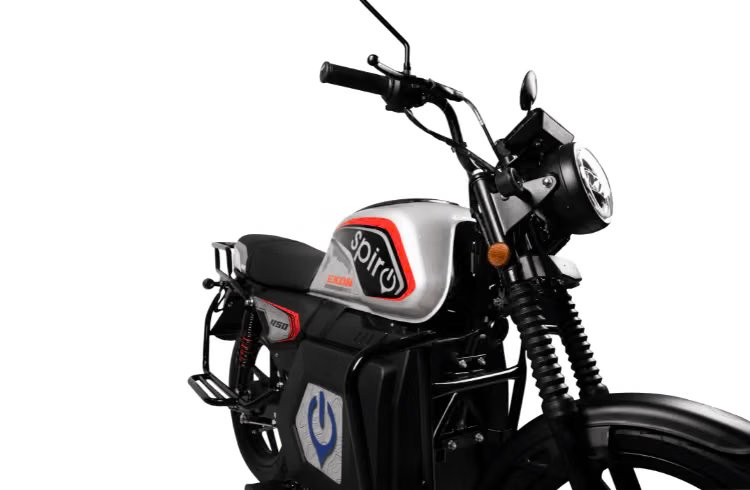
For a delivery rider in Accra, the difference between profit and loss often comes down to fuel. Spiro is betting that electric motors and battery swaps can claw back that margin. The Indian startup has just rolled out its first 100 Ekon 450 M1 V3 units in Ghana, specifically aimed at the commercial riders and delivery fleets that keep the city moving. This isn't a consumer launch for enthusiasts; it’s a B2B play for the hustle economy.
The core pitch here is operational efficiency. Instead of waiting hours to charge, riders can swap a depleted battery for a charged one in two minutes at dedicated stations. Spiro claims this setup saves riders up to $2 per day compared to petrol-powered bikes. In a market where fuel prices fluctuate, that daily buffer adds up fast over a month of daily shifts. It’s a practical argument, not a tech-spec flex.
Kaushik Burman, CEO-Mobility at Spiro, framed Ghana as a major opportunity, citing the rapid growth of the two-wheeler sector there. He noted that the first 100 bikes are just the starting line for a larger ambition to make electric mobility accessible at scale across the country. It’s a controlled rollout, testing the waters before flooding the market. They want to prove the swap network works before scaling up significantly.
This Ghana deployment is a small but telling slice of Spiro’s broader African footprint. The company currently operates over 156,000 electric motorcycles and 2,500 battery-swapping stations across seven African markets. Ghana joins that list, adding another node to their network. For buyers, the key takeaway is infrastructure: the bikes are only as good as the swap stations, and Spiro is laying that groundwork concurrently with the vehicle launch.