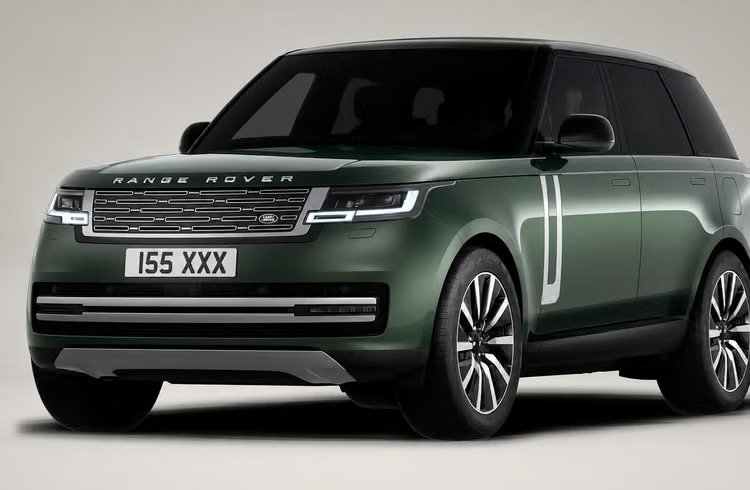
If you’re sitting on the fence about buying a luxury EV in India, the wait is over. JLR India Managing Director Rajan Amba confirmed on Monday that the company is bringing three electric Range Rover models to the country early next year. But that’s not the only move in the deck. Jaguar, now an exclusively electric marque, is also making a comeback to the Indian market in the second half of next year. This isn't a half-hearted test drive; it’s a full-scale push to electrify their most profitable franchises without diluting the brand identity that keeps buyers loyal.
The numbers behind this strategy are interesting. JLR is selling fewer entry-level cars but pivoting hard toward high-margin flagships. The average transaction price has climbed to roughly ₹1.4 crore. Defender, Range Rover, and Range Rover Sport now account for more than 80 percent of their sales footprint. It’s a significant shift compared to most premium competitors. Consequently, even though retail sales dipped by 2 percent in FY26, revenue actually grew by about 14 percent. They’re selling fewer cars, but each one pulls significantly more weight on the bottom line.
Pricing remains the tricky part. The India-UK trade agreement, effective July 15, slashes import duties on eligible petrol and diesel cars from as high as 110 percent. However, electrified vehicles get no such break for the first five years. Amba was blunt about this. “From a pricing perspective, we don’t expect the benefit to flow for another 5 years,” he said. So, don’t expect a sudden price drop on these new electric models just because the trade deal is in effect. The duty relief for EVs is a distant promise for Indian buyers.
Amba also painted a vivid picture of the changing Indian luxury buyer. At a retail outlet launch in Mumbai, he noted that the gap between “dreaming” and “buying” is shrinking rapidly. He shared an anecdote about a customer from Maharashtra who previously earned ₹50,000 a month but, post-pandemic, built a trading business and has bought a premium car every year for seven years. His son now picks the model. This aspirational shift is driving the segment. Buyers are no longer just saving; they’re upgrading aggressively, often skipping the mid-tier options entirely to land on the top-spec flagships.
Looking ahead, JLR plans to offer mild-hybrid, full-hybrid, plug-in hybrid, and battery-electric versions across the Range Rover, Defender, and Discovery lines. The company is committing to spend £18 billion globally by FY29 on technology and platform transformation. For Indian buyers, the immediate takeaway is clear. The electric Range Rovers will arrive early next year, but the pricing will reflect the current duty structure. Jaguar’s return later in the year will add another electric option to the high-end table, catering to those who want the brand but are committed to zero tailpipe emissions. Keep an eye on the pricing announcements when the launches happen; that’s where the real story will unfold.