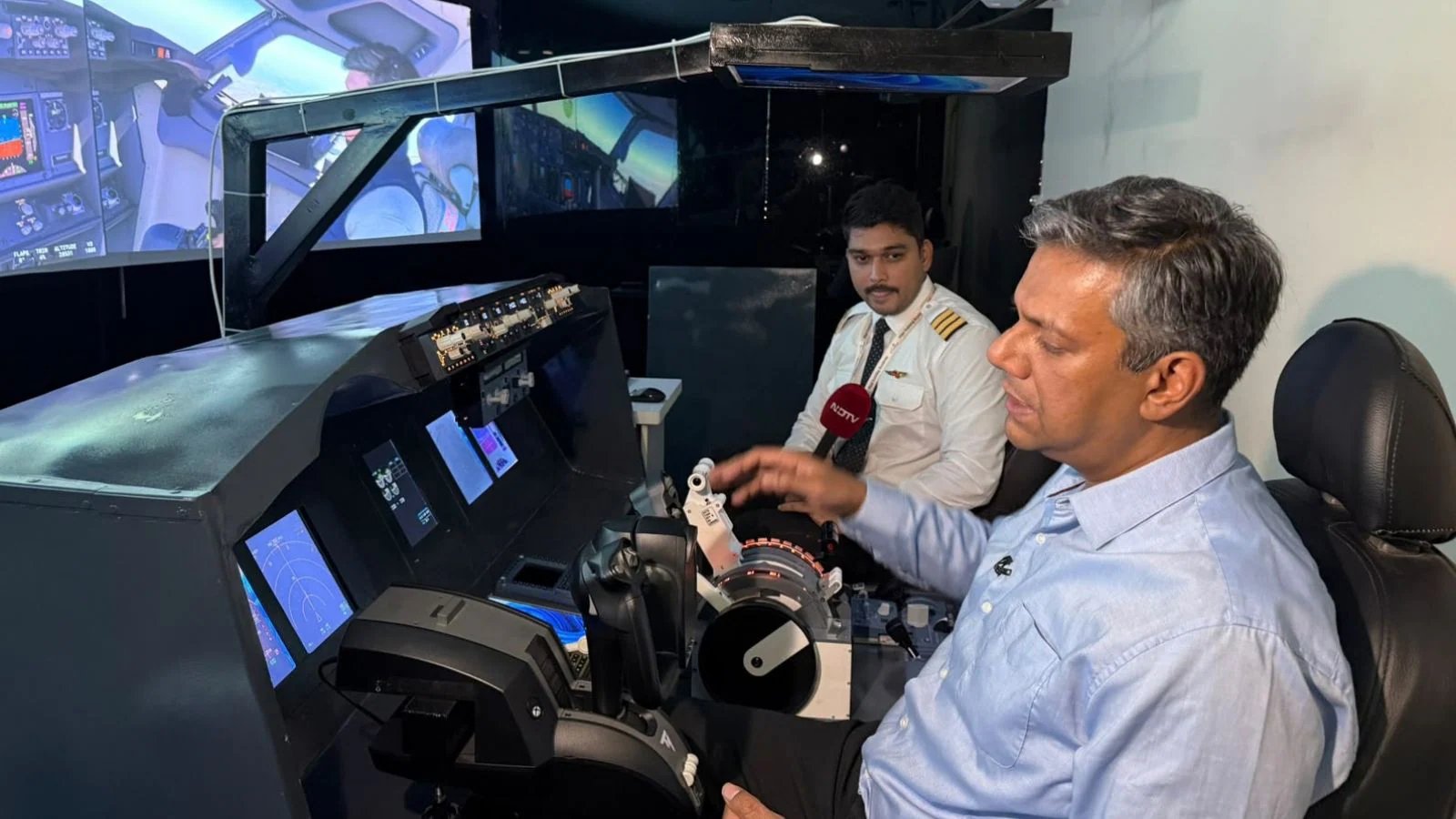
Co‑pilot of flydubai flight FZ1073 attacked captain Smit Machchhar with an axe, forcing the Boeing 737‑MAX to descend from 34,000 feet to 17,000 feet within a minute‑and‑a‑half on the Dubai‑to‑Tel Aviv leg. The crew managed to regain control and diverted the aircraft to Tabuk, Saudi Arabia, where the captain received emergency medical treatment.
The attack triggered transponder code 7700, signalling a general emergency to air traffic control. According to the cockpit logs, the co‑pilot pushed the control column hard down, initiating a violent nose‑down pitch that the 737‑MAX was not designed to sustain. Captain Machchhar, despite being struck, opened the cockpit door and alerted the cabin crew, buying precious seconds for the passengers.
NDTV journalist Vishnu Som later used a Boeing 737‑MAX simulator to replicate the event, confirming the rapid loss of altitude and the aircraft’s ability to survive the extreme G‑forces. The simulator, equipped with authentic flight controls, displayed the sudden descent and the crew’s frantic attempts to stabilize the plane, underscoring the robustness of the aircraft’s frame.
The 737‑MAX series has faced scrutiny after two fatal crashes linked to uncommanded nose‑down manoeuvres. Boeing’s reinforced aluminum alloys and composite parts were designed to withstand such stresses, a factor that likely prevented a breakup during the incident.
Pilot training expert Captain Sujit Ojha said, "The crew’s split‑second decisions were remarkable; opening the cockpit door under a severe nose‑down load is no small feat." He added that such incidents highlight the need for stricter cockpit security protocols, especially after the 9/11 reforms.
A joint investigation by the Saudi Civil Aviation Authority and the UAE aviation regulator has been launched, with a preliminary report due by the end of next month. The co‑pilot faces criminal charges for assault and endangerment, while the airline will review its crew screening procedures.