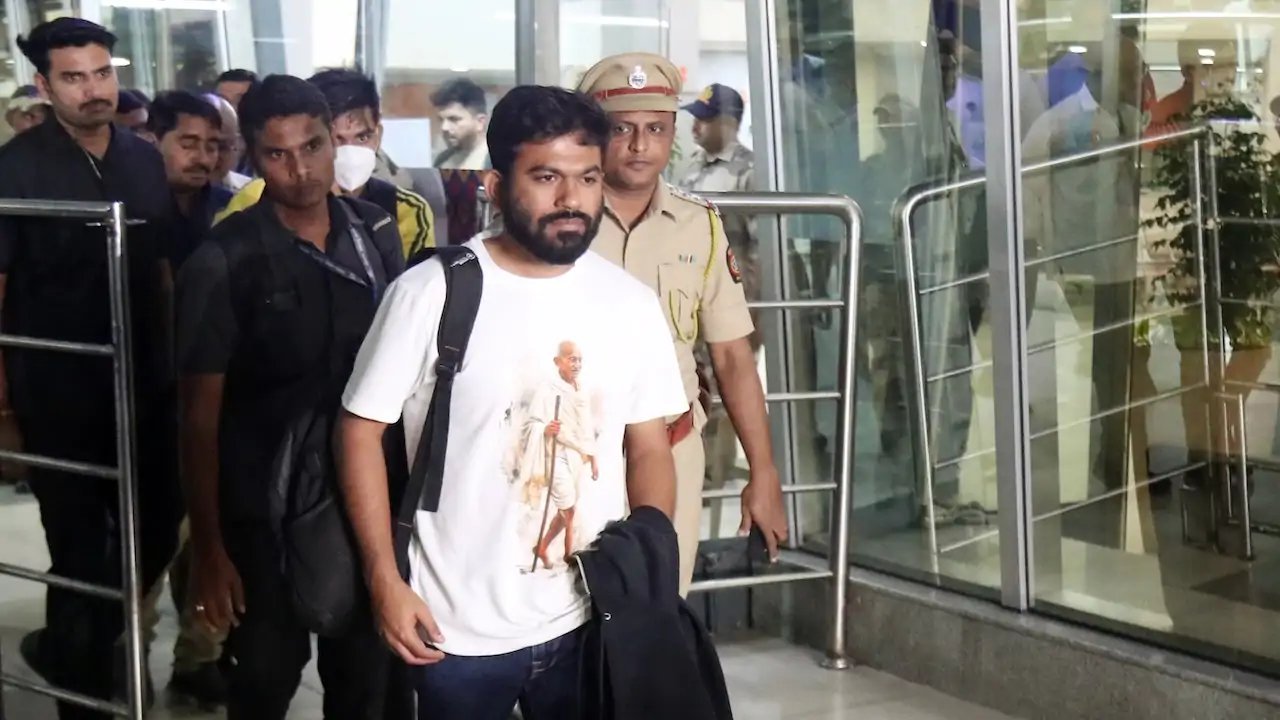
Abhijeet Dipke, a 39‑year‑old activist, had been placed under preventive arrest at Delhi airport on the eve of the Jantar Mantar protest, a move that the party says was an attempt to silence dissent. The bond, supposedly signed under duress, was meant to prevent the group from staging further demonstrations for a year, but Dipke and his colleagues claim no such document was ever executed.
At a press briefing in Nagpur, Dipke flat‑out rejected the claim that he signed the bond, saying, “I have not signed any bond. We will take to the streets again.” The statement came after a Delhi Police video surfaced that the party said misrepresented his funeral arrangements; the footage showed police officers refusing to let him call his cousin after his grandmother’s death.
Dipke’s rhetoric escalated when he labelled Prime Minister Narendra Modi a dictator, accusing the government of shutting down Delhi’s transport network to protect Chief Election Commissioner Gyanesh Kumar. He alleged that “roads were blocked, metro services stopped, trains halted, and students were locked inside” to prevent the protest, framing the crackdown as a direct assault on constitutional rights.
In response, the Cockroach Janta Party has scheduled a mass rally in Hingoli on the first Saturday of next month. Organisers say they will mobilise thousands of supporters, with a route that will cross major highways to the city’s central square. Police officials have warned that the protest may attract heavy security presence.
The personal toll of the political drama is evident in Dipke’s own words about losing his grandmother. He recounted being denied a phone call to call his cousin and the emotional weight of attending the funeral in Maharashtra. His mother has publicly accused Delhi Police of lying about the timing of her son’s release.
The next week will see Dipke rallying crowds in Hingoli, while Delhi police prepare for potential clashes. If the protest proceeds, the authorities may deploy additional forces along the route, and the legal status of the bond will likely be examined in court. The outcome could set a precedent for how preventive arrests are handled in future political disputes.