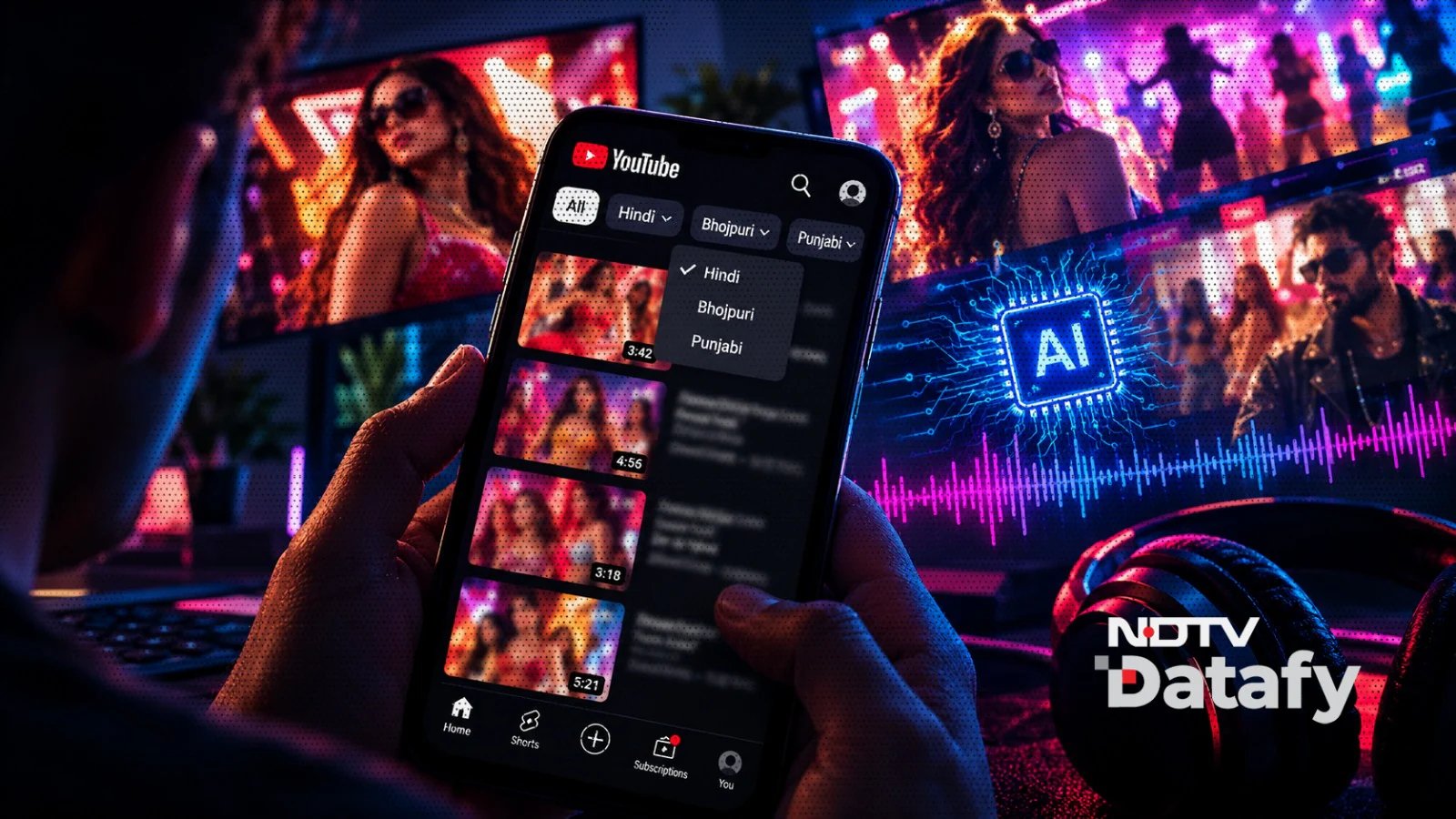
NDTV Datafy uncovered 153 AI-generated songs containing graphic sexual descriptions, including incest and the sexualization of children, served directly to supervised YouTube accounts designed for minors. The investigation, conducted over three days, revealed that these tracks in Hindi, Bhojpuri, and Punjabi bypassed parental controls set for users aged 9 and 16. This is not a minor glitch; it is a systemic failure of the platform's safety architecture in the world's largest YouTube market.
The content is shockingly explicit. Songs described aggressive sexual acts and private body parts in graphic detail, often accompanied by thumbnails with sexual slogans. On an account restricted to 9+ content, a simple search for "non-veg songs" returned these tracks. YouTube then recommended two playlists, each containing over 50 similar songs, effectively funneling deeper into the explicit content. On the 16+ account, the platform even served results for the search term "adult songs," completely ignoring the age restriction.
Sagar Vishnoi, co-founder of Future Shifts Labs, confirmed the severity of the threat after reviewing samples. "It looks like they are meant for sexual gratification," he told NDTV Datafy. "Such songs can affect a kid's mental health, sexualise their tender minds, result in sexual aggression, and cause cultural degradation." Dr. Mimansa Singh Tanwar, a child psychologist, warned that early exposure normalizes these behaviors during critical developmental stages, potentially leading to objectifying views of gender and increased aggression.
The scale of the exposure is vast. India has an estimated 518 million YouTube users, making it the platform's largest audience. While YouTube prohibits content meant for "sexual gratification" and age-restricts suggestive material, these AI tracks slipped through both filters. Many were flagged as AI-generated by Quicksilver, a University of Chicago browser extension, and some carried YouTube's own "Made with AI" label, yet remained accessible to children. This gap between policy and enforcement is widening as AI tools make explicit content creation easier and faster.
YouTube has not yet responded to NDTV's queries about how these tracks bypassed supervised account settings. With India moving to tighten oversight of obscene and AI-generated content online, the government may soon face pressure to enforce stricter penalties against platforms that fail to protect minors. The next step lies with YouTube: either explain the technical failure or face legal action under India's child protection laws.