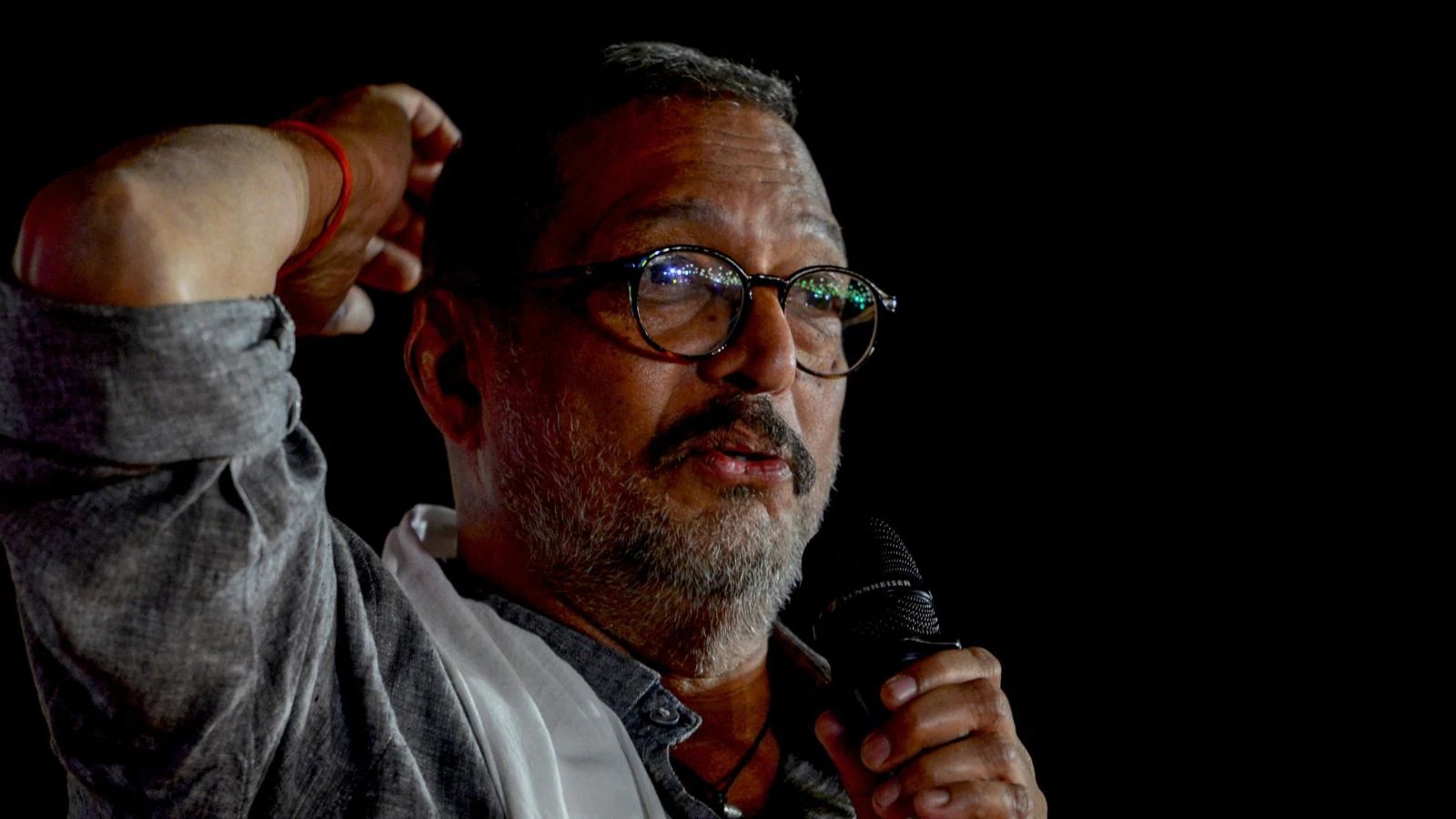
But you don’t need to look back at Nana Patekar’s rugged early days to appreciate his on‑screen grit. He walked eight kilometres to Chunabhatti each day, splashed posters onto walls and pocketed a single meal for 35 rupees a month. The sting of that wage was matched only by the hunger that pushed him to keep going, a hunger that later translated into the raw intensity we see in films like Parinda and Prahaar.
In a 2015 interview with the Bombay Times, the actor said, "I was in Class IX, but the humiliation and hunger taught me so much that I didn’t need to go to any acting school." He shrugged off the irony of a star born from such poverty, instead framing it as the crucible that sharpened his craft and his sense of duty.
Fast‑forward to a decade later: Nana still shunned excess. He owned a modest 750‑sq‑ft apartment in Andheri for just ₹1.1 lakh, cooked his own meals, and preferred the quiet of his Goa farmhouse to the glare of the silver screen. When a friend offered him a ₹1.5‑crore car, he turned the money into cash checks for families struck by farmer suicides, a gesture that birthed the NAAM Foundation.
On the popular game show Kaun Banega Crorepati, Amitabh Bachchan quizzed him on his art school days. Nana replied with the same humility that had carried him through childhood: "I studied Commercial Art, worked as a visualiser, then chose theatre over the job. Poverty was real, but so was the drive to keep moving." His candidness, combined with his legendary roles, cemented his status as a true icon of Indian cinema.