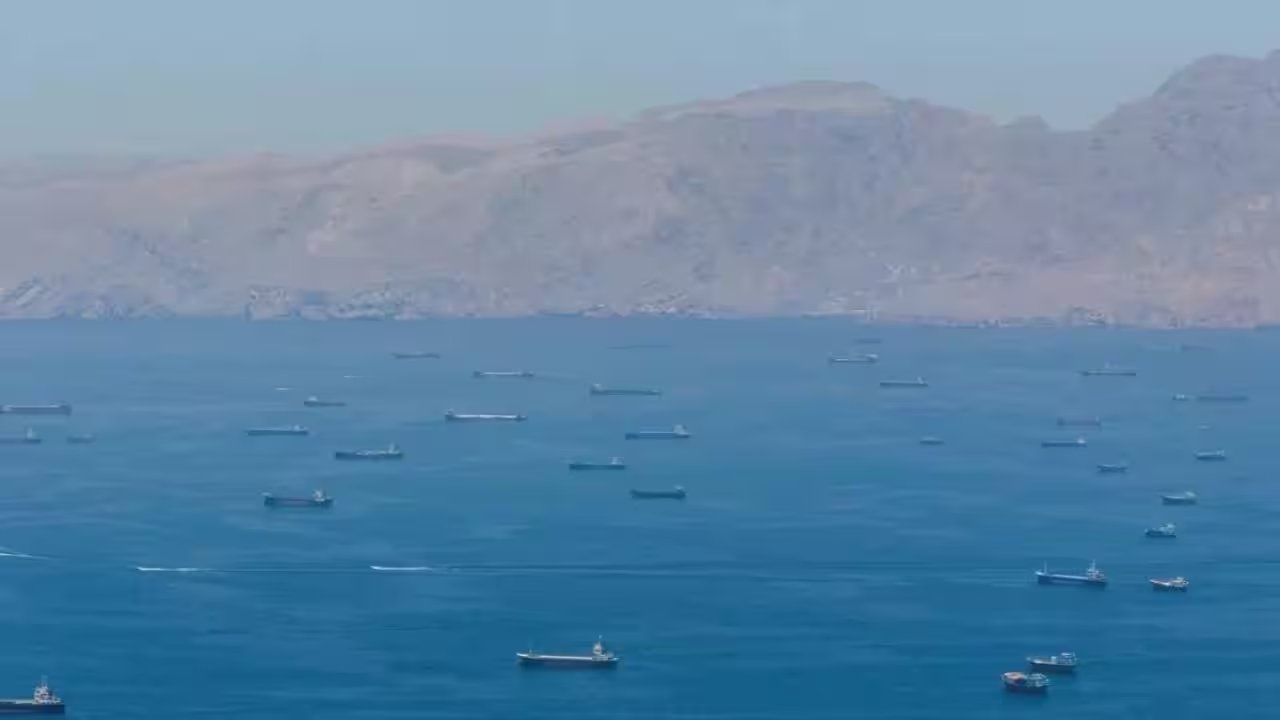
S&P Global Energy’s latest data shows 19 LNG cargoes crossed the Strait of Hormuz in September, the highest monthly count since the February 28 war that reshaped Gulf shipping lanes. Kpler’s tracking, however, tallies 21 vessels, underscoring a steep rise from the sixteenth month’s 15 transits recorded in June, when a U.S.–Iran accord began to take effect.
The surge consists mainly of Qatar and UAE operators: 13 cargoes came from Qatar’s Ras Laffan terminal, while six were sourced from the United Arab Emirates. Three QatarEnergy‑linked ships—Al Kharaitiyat, Al Gharrafa, and Milaha Qatar—re‑appeared after brief dark‑transit periods, moving past the strait and offloading at Indian ports such as Hazira.
Despite the uptick, security concerns linger. Iran’s threat of military escalation could disrupt shipping if higher volumes are perceived as a loss of leverage, while U.S. naval escorts continue to escort convoys at a high cost. Dark transits—AIS‑off periods—make tracking difficult, adding uncertainty to the flow.
Analyst Eric Yep projects that if the September trend persists into October, monthly LNG transits could recover to roughly 25% of pre‑war levels, signalling a gradual return to normalcy. Shipping companies and governments will watch the October convoy pattern closely to gauge whether the Gulf’s oil‑and‑gas supply lines remain stable.