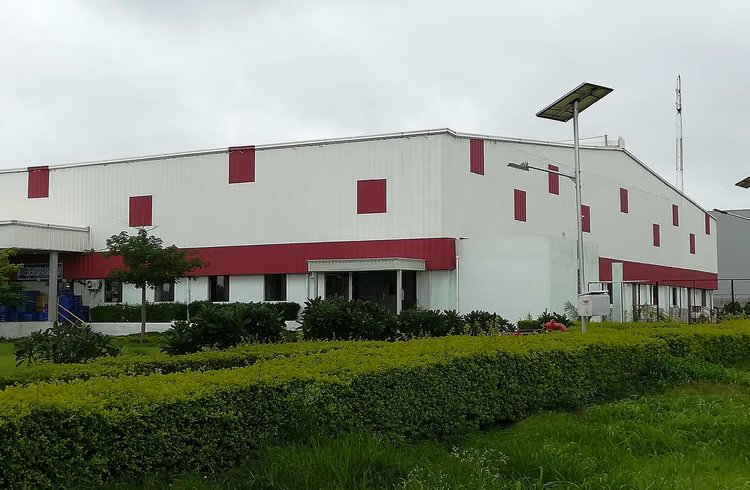
The merger, effective April 1, 2026, consolidates CIE Aluminium Casting India Limited into the main entity after an NCLT Mumbai order. The move is a direct response to the tightening sourcing demands from carmakers, who are hunting for full‑system, lightweight aluminium assemblies to trim curb weight.
In practical terms, a 10% reduction in vehicle weight translates to fewer batteries for EVs or less fuel for ICEs, shaving off a few kilometres of range per day for the average owner. For the average buyer, that means a smaller fuel bill or longer electric range without a price hike.
The restructuring also signals that CIE is positioning itself to compete with players like Tata Motors, which already uses aluminium in its Nexon and Altroz, and Hyundai, whose Ioniq and Kona are built on a lightweight platform. By tightening its supply chain, CIE can offer OEMs a single source for aluminium casting, cutting lead times and costs.
From a policy angle, India’s EV mandate and the new battery manufacturing norms favour manufacturers that can reduce vehicle mass. A lighter car not only meets the 3‑kWh per tonne target but also helps manufacturers hit their own CO₂ reduction goals.
Looking ahead, the new arrangement will likely roll out lighter aluminium parts in the next 12–18 months, feeding into upcoming models. Buyers should keep an eye on Tata’s next‑gen Altroz and Hyundai’s upcoming Ioniq 5, where weight‑cutting might be more pronounced. The real test will be whether the cost savings on production translate into lower prices or better battery efficiency for the end‑user.
CIE’s merger is slated for launch on April 1, 2026. Following the integration, the company plans to streamline production across its facilities, potentially offering OEMs a more flexible, cost‑effective supply of aluminium parts. The next big question will be how this consolidation influences the price and performance of the cars on the road.