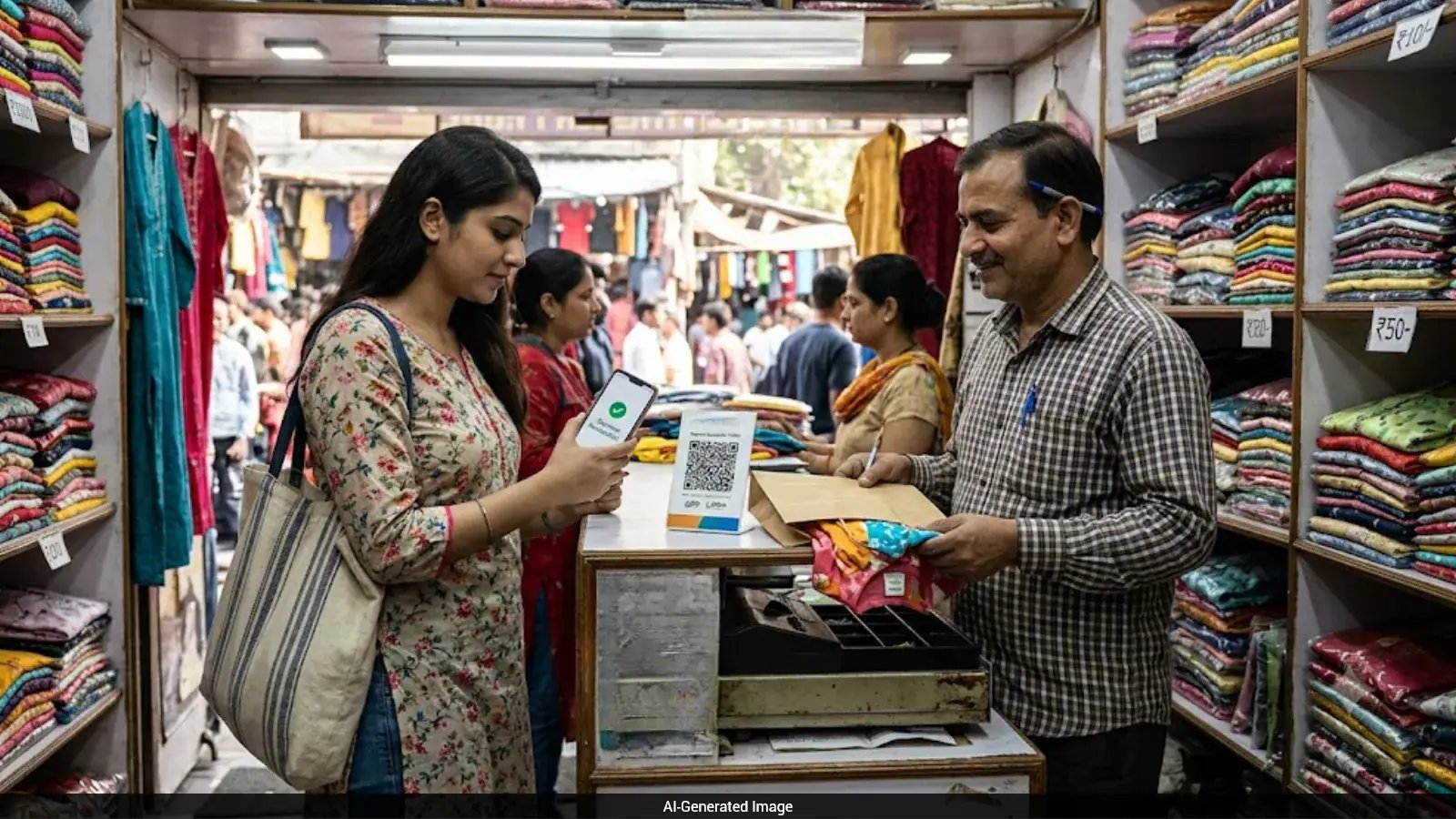
NPCI declared that from 15 October, any UPI transaction exceeding ₹2,000 will attract a 0.4% Merchant Discount Rate, amounting to about ₹8 on a ₹2,001 transfer. The fee is flat ₹5 for railways, telecom, insurance and fuel, while person‑to‑person transfers remain free. Finance Ministry officials said the measure will touch only 4% of all payments, leaving 96% of P2M transactions unaffected.
RAI chief Kumar Rajagopalan warned that even a ₹8 surcharge on a ₹2,001 sale can erode the razor‑thin margins of small merchants. He said many traders, who rely on daily cash inflows, may now prefer cash to avoid the extra cost. RAI will file a formal complaint with the Ministry of Finance and lobby for a graded fee structure that separates debit‑ and credit‑linked UPI transactions.
CMAI president Santosh Katariya slammed the timing, noting the fee comes just weeks before Diwali, the peak shopping season. "Adding a cost now risks pushing the industry back into cash," Katariya told reporters. Kamla Nagar Market Association president Nitin Gupta echoed the sentiment, saying traders would switch to cash if the fee persists.
The Finance Ministry reiterated that the MDR is not a tax but a revenue share among banks and payment app providers to sustain the UPI ecosystem. A senior ministry spokesperson said the decision was made five years ago and will not be reconsidered. The statement emphasized that only 4% of transactions are subject to the new fee.
Opposition parties, including the Congress, labeled the fee "anti‑people" and demanded its withdrawal. They urged the government to honor the original promise of a cashless economy and to prevent a return to cash transactions during the festive season.