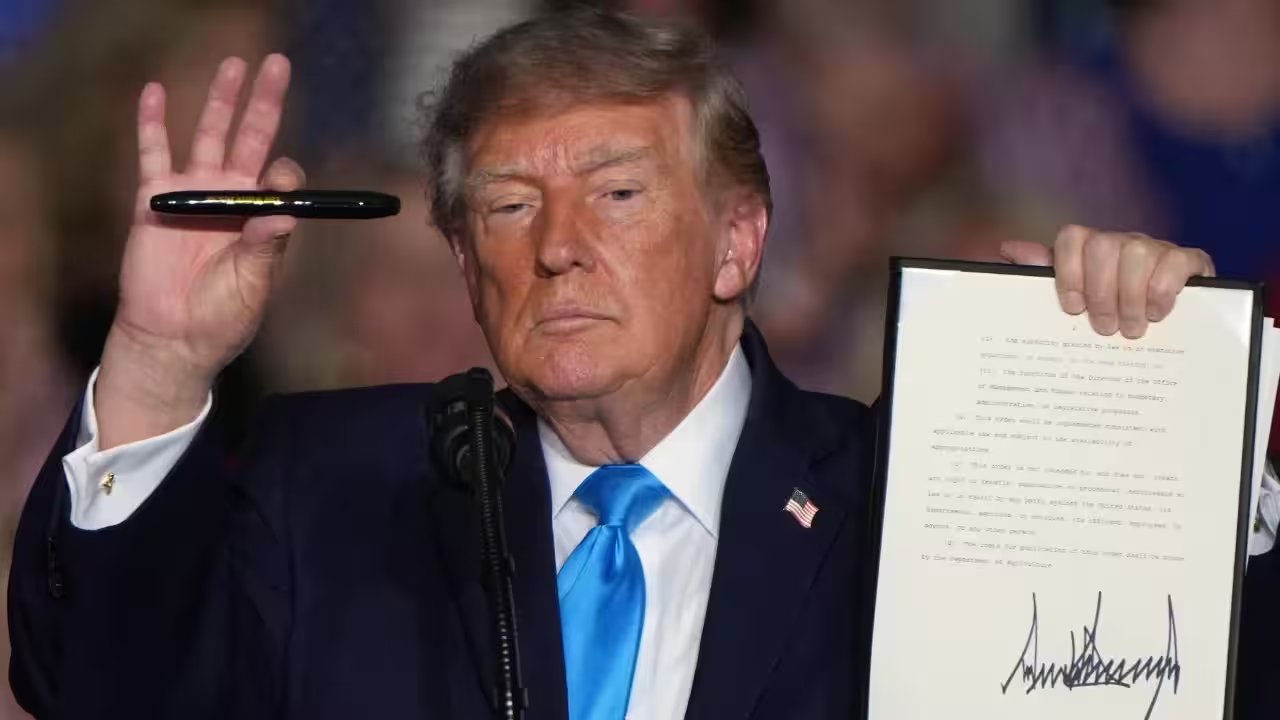
Trump announced the move during a campaign stop in Grand Island, saying that loosening limits on the tax‑free use of red‑dyed diesel would save farmers “millions” and help bring down the cost of goods and groceries. The executive order directs states to increase the availability of tax‑exempt red‑dyed diesel, and it calls on them to consider waiving certain fuel taxes, effectively removing the excise burden that currently inflates diesel costs for agricultural and construction fleets. The Treasury Department will review the tax exemptions and determine whether additional state‑level waivers are warranted.
Ten states that account for roughly a third of U.S. diesel sales had already allowed wider use of dyed diesel by Friday, according to ClearView Energy Partners. Several of those states had also waived taxes on diesel used in agricultural vehicles, aligning with the new federal directive. In the week before the order, Nebraska farmers who had been lobbying for relief said the move would help keep their operations afloat amid soaring fuel bills.
The average price of diesel fell to $6.32 a gallon on Monday, down 13 cents from the previous week but still $2.63 higher than a year ago, AAA data shows. The price spike is tied to the war against Iran and Ukrainian attacks on Russian refineries, which have curtailed global supply. Despite the rise, the U.S. has seen record diesel exports since the February war with Iran and the escalation in the Black Sea.
Politico reports that Agriculture Secretary Brooke Rollins will announce additional short‑term relief for farmers in Nebraska and will discuss the issue during a stop in Iowa. The move comes amid a broader Republican push for lower fuel costs, with Senator Chuck Grassley and state governors demanding action. The order is expected to bolster rural voters’ support for Trump in the upcoming midterms.
The next step is a Treasury review, followed by state‑level implementation of tax waivers. If approved, the policy could reduce truckers’ fuel costs by more than $100 per fill and cut farmers’ diesel expenses by millions, potentially lowering grocery prices as the supply chain adjusts.