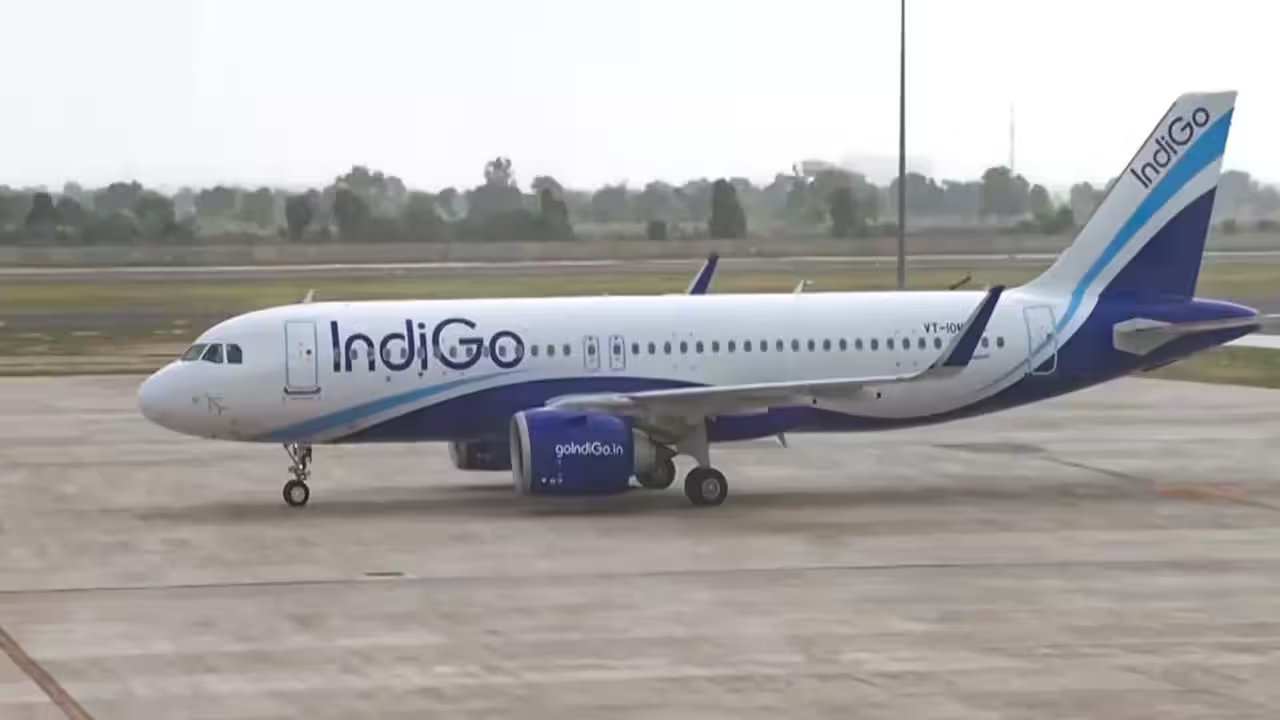
IndiGo announced on Tuesday that it will increase its domestic fuel surcharge by Rs 100 to Rs 350 per sector and its international surcharge by up to Rs 2,500 per sector, effective from 12:01 am on Oct 6 2026. The airline cited a 14% month‑on‑month jump in aviation turbine fuel (ATF) prices, the highest in a decade, as the trigger for the hike.
The statement from IndiGo’s corporate office warned that the surge in ATF costs, compounded by a weakening rupee and the ongoing West Asia crisis, had pushed operating expenses beyond the company’s tolerance threshold. The increase will apply to all new bookings, not existing tickets, meaning travellers planning trips after the cut‑off will see the higher fares.
Industry analysts say the hike is the third surcharge adjustment since the start of the West Asia crisis, and it could set a precedent. “Other carriers are likely to follow suit in the next few weeks,” said aviation economist Pranav Shah of AirInsight. This would add to already high travel costs during the festive season.
For passengers, the impact is tangible. “I had to cancel my Delhi‑Bangalore flight because the surcharge made my ticket Rs 3,200 more expensive,” said 32‑year‑old student Anjali Rao, who had booked a last‑minute ticket. Rao’s experience mirrors that of many who will now face higher out‑of‑pocket expenses.
IndiGo’s decision underscores the airline’s struggle to maintain profitability amid volatile fuel prices. The company will monitor ATF trends closely and is expected to revise fares again if the current trajectory continues.
The next step will likely be a broader industry response. Airlines such as Air India, SpiceJet and Vistara are expected to announce their own surcharge adjustments by the end of next week, further tightening the market for travellers.
Travel agencies and online booking platforms will have to recalibrate their pricing models to reflect the new surcharges, potentially leading to a ripple effect across the domestic and international ticketing ecosystem.