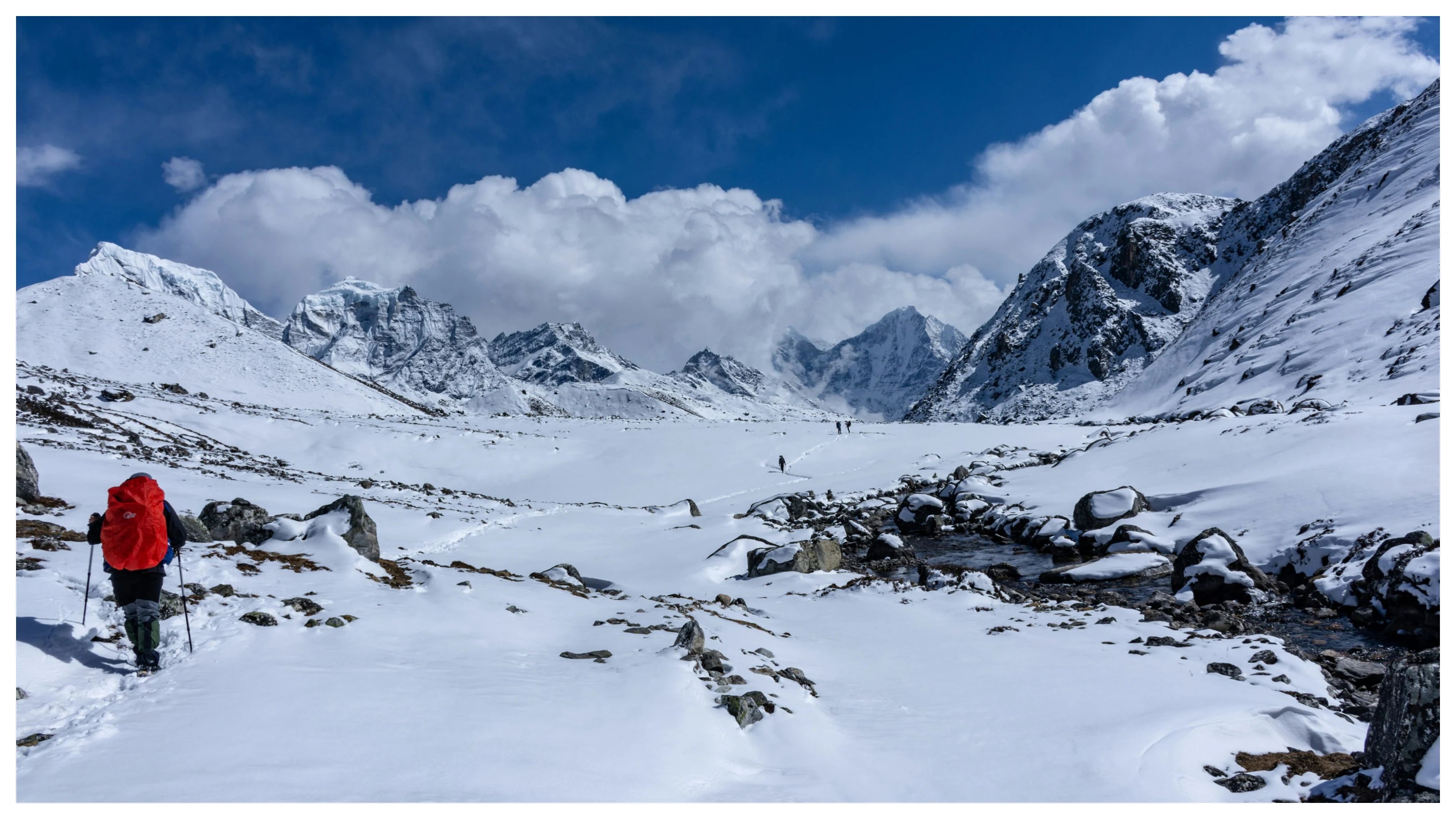
Three days of silence will fall across Nepal's high‑altitude trekking circuits as the government shutters permits for the season.
The decision follows a warning from the National Disaster Risk Reduction and Management Authority, which urged tourists to stay away during the risk period.
Cyclone Arnab, now a Category‑5 system, is expected to bring heavy rains and snow, raising avalanche risk in the Himalayas. The Nepal Meteorological Department forecasts 20–30 mm of precipitation over the western slopes, a pattern that has historically triggered mud‑slides and avalanche hazards.
Travelers who already hold permits must remain in safe zones, while agencies scramble to re‑book or refund bookings. A local guide, Jitu Rai, told us he had to cancel a trek for 12 trekkers, many of whom had paid deposits.
The move comes after August's floods that claimed about 1,500 lives, prompting the World Bank to estimate $1.66 billion in damage. The authorities warn that road and air transport could be disrupted, and advise people to monitor weather forecasts closely.
Officials expect the embargo to lift after Oct. 31, but will review conditions weekly; a follow‑up briefing is slated for Oct. 23, after which permits may resume if avalanche risk subsides.